Technology has a way of quietly reshaping everyday life, from the way we work to how we handle the most mundane tasks. At the recently concluded Consumer Electronics Show (CES 2026), exhibitors offered a glimpse into the next wave of innovations that were designed to make life easier.
Tedious chore? There’s a robot for that
LG Electronics demonstrated CLOiD, an AI-enabled humanoid robot that could perform some household tasks, such as folding laundry and heating up food. In a statement, the company said CLOiD can recognise appliances and interpret user intent based on its Physical AI technology model, which was trained on hours of household task data.
It may take a while for CLOiD to reach its full potential though as both Bloomberg and CNET reported that the robot’s process of folding items – such as cotton dish towels – was extremely slow.
Need a robovacuum that can handle stairs? Roborock introduced the Saros Rover, a robovac with two legs that can navigate up and down stairs and even clean the steps along the way.
The Chinese company claimed that the still in-development device will be able to tackle almost any type of stairwell, including spiralled and curved.
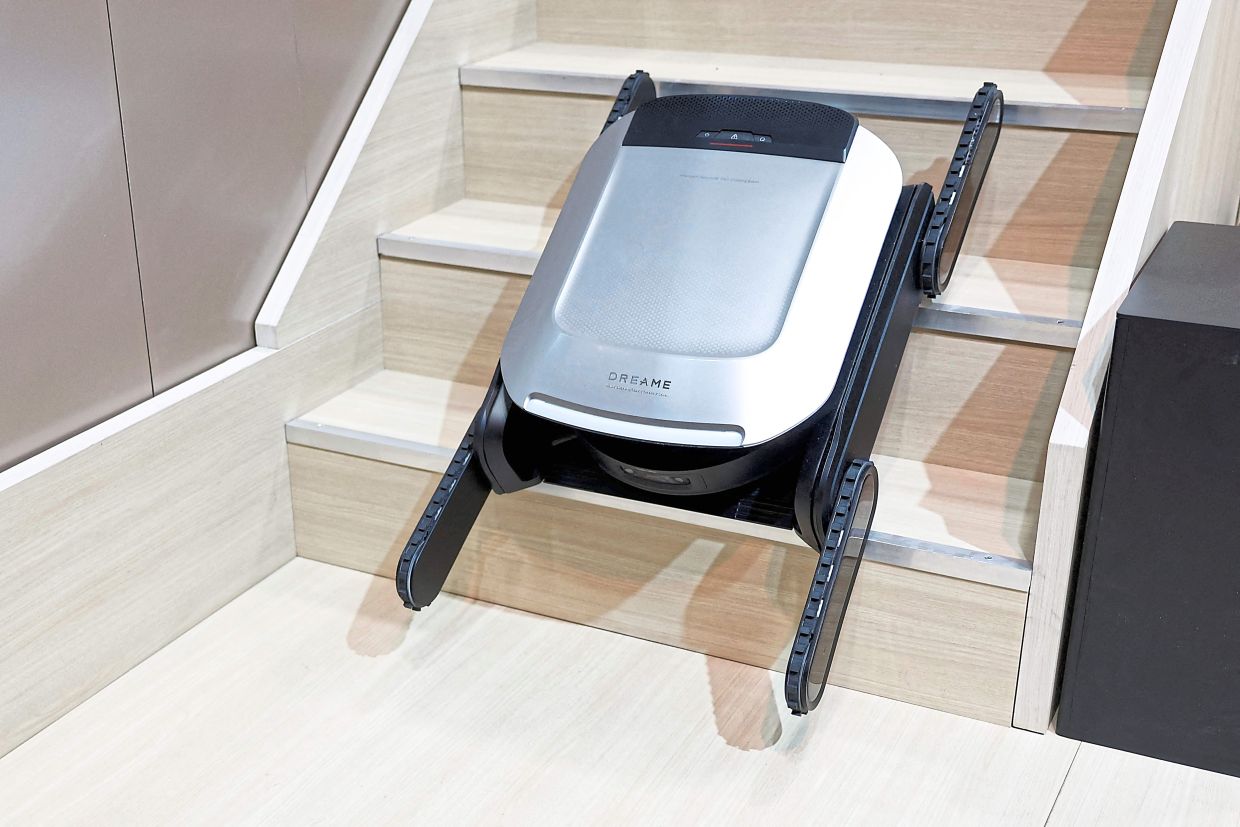
Similarly, Dreame’s Cyber X concept robot can also climb steps, albeit with four rubber-threaded legs instead of the Saros Rover’s two. Engadget reported that an actual robot vacuum can dock inside Cyber X and be carried up to a different floor. The vacuum component also has a water tank for mopping and laser navigation system to work around obstacles.
Need a friend?
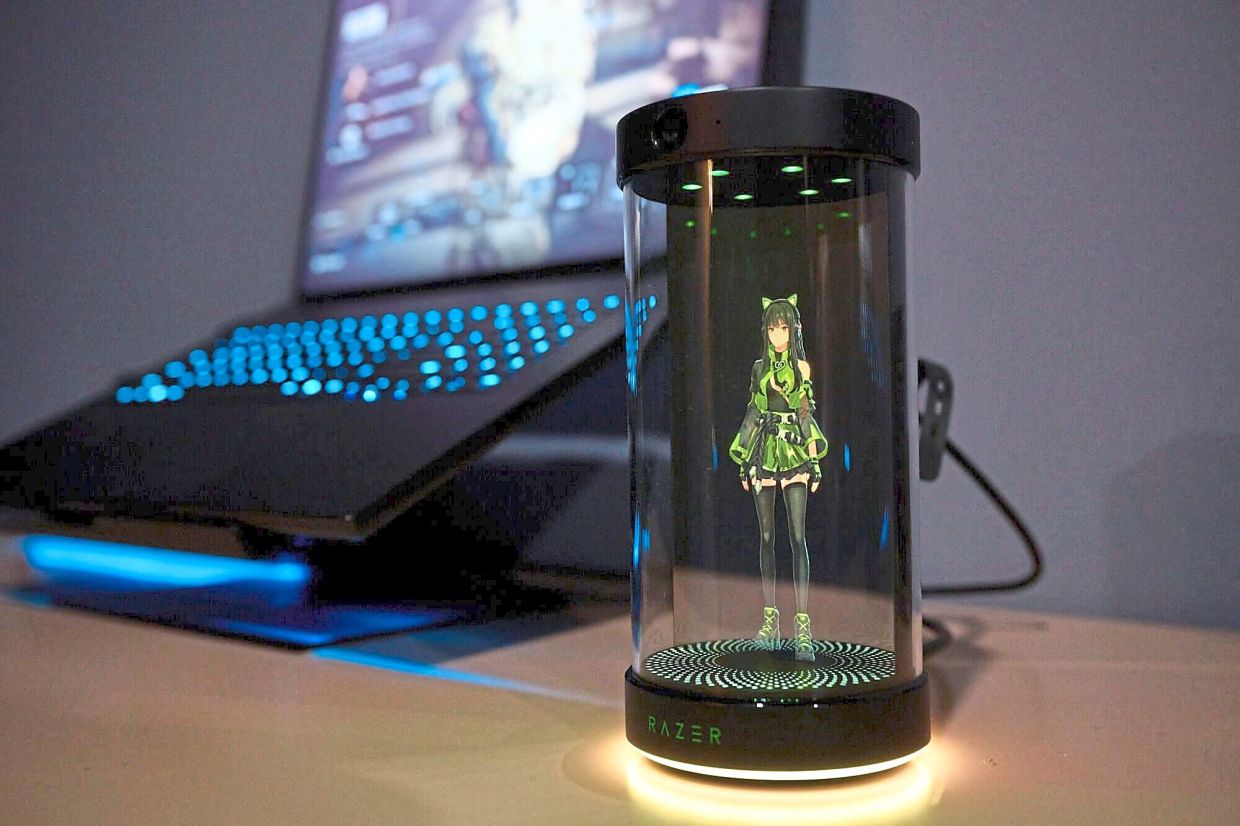
Want South Korean esports pro Lee Sang-hyeok aka Faker on your desk? Razer unveiled Project Ava, an AI desk companion with a 5.5in 3D hologram that can interact with users to perform tasks such as manage calendar, give self-care reminders and even gaming tips. Users can choose from avatars like gamer girl Kira or Faker.
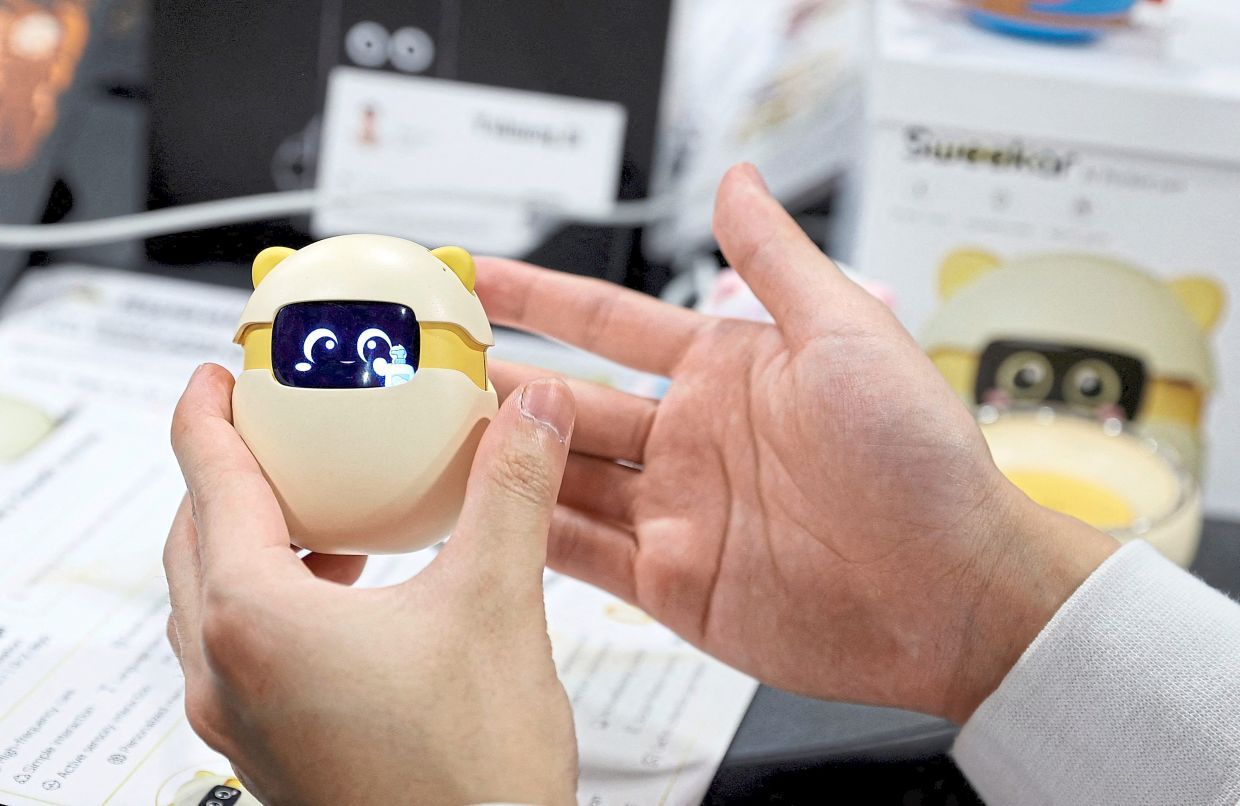
Or maybe you prefer a pocket-size AI companion like Sweekar, which developer Takway AI said can grow both physically and emotionally alongside the user.
It’s essentially a digital pet robot where users can interact with it through voice or touch to perform soft gestures. Its personality – for example introverted or extroverted – will also be shaped by how users interact with it.
Wearable AI
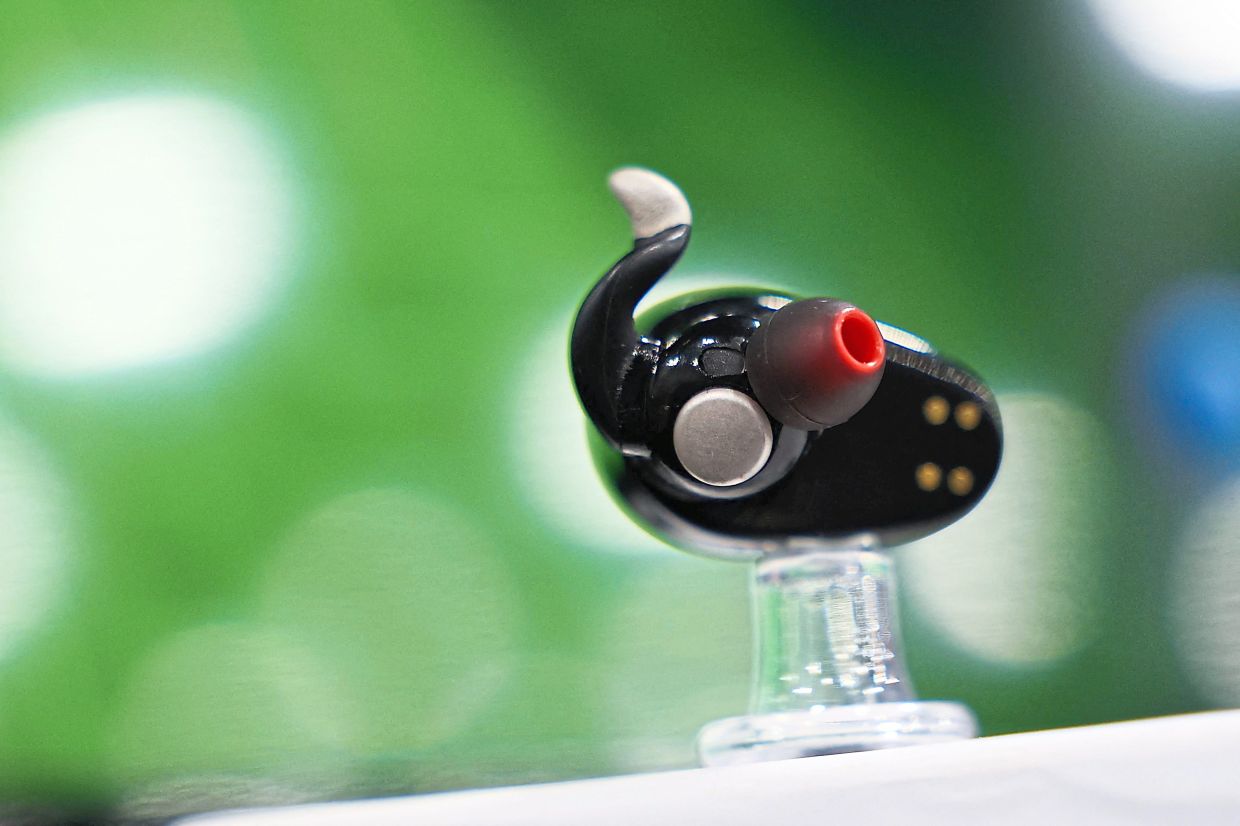
CES also showcased gadgets with a focus on accessibility, such as a pair of neural earbuds that enables hands-free control of digital devices using subtle facial movements. The Naqi Neural Earbuds reportedly detects micro-gestures such as jaw clenches, blinks and eyebrow movements through non-invasive sensors embedded in standard-form smart earbuds. These signals are then processed by proprietary AI algorithms to translate them into commands.
An AFP report noted that such devices could allow users with quadriplegia to control wheelchairs or navigate the Internet using eye and facial movements while looking at a screen.
Meanwhile, Vocci AI presented a 2.8mm-thick smart ring that could record conversations such as work meetings, generate transcripts and provide insights. It has a physical button on the side for users to press to initiate recording.
There’s also an AI necklace from Nirva, which can reportedly track the wearer’s movements and moods, map social connections, and more. Made from titanium with IP67 water and dust resistance, the company says it has features such as dual microphones and a UV sensor to capture sunlight exposure and time spent outdoors.
An accompanying journaling app can automatically summarise the wearer’s daily events, which can be further augmented with location, calendar and health data.
Caring cars
At CES, tech companies want you to rethink cars as the partner that remembers your birthday. Nvidia showcased how AI could be powering cabin systems in cars that could eventually recognise you and instantly play your favourite song as soon as you enter the car, as well as provide other personalised experiences for both drivers and passengers.
Nvidia also unveiled Alpamayo, its new AI vehicle initiative “designed to accelerate the development of safe and reasoning-based autonomous vehicles”. The company claims it will pave the way for autonomous vehicles to perceive, reason and act with human-like judgement.
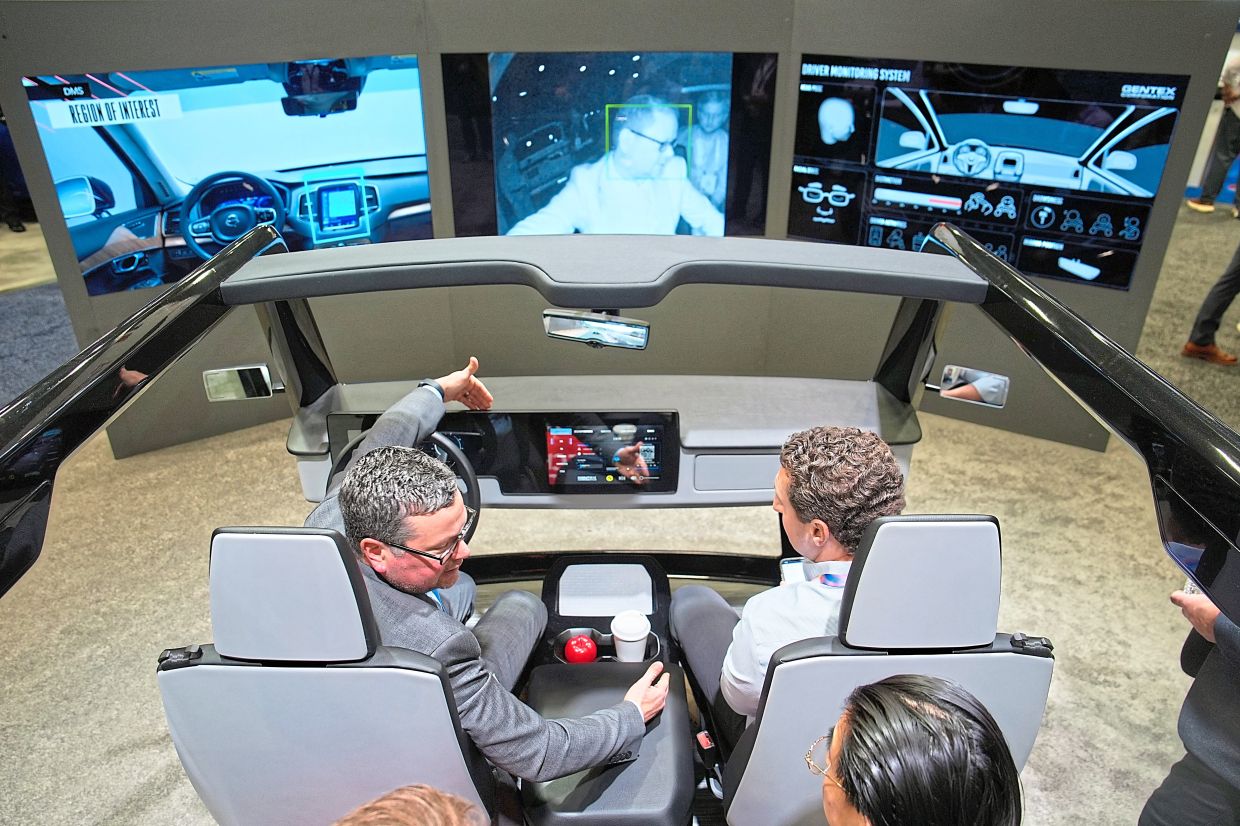
Tech company Gentex also showcased how its in-cabin monitoring systems with AI-equipped sensors and cameras could be used to monitor a driver for signs for sleepiness or actions like talking on the phone, as well as passengers not being seated properly. The company believes such features could be used to enhance safety.
Uber showed a preview of its Lucid Gravity SUV robotaxi with camera, sensors and radars for 360° perception. It also comes with a roof-mounted LED display to show riders’ initials to help them identify their ride. Inside the car, riders will be able to personalise features such as music, temperature and even seat heating. They will also be able to view the route the car takes in real time, as well as what the car “sees”, via on-screen visuals.