




Employees at a neighbourhood committee in China have resorted to printing out images of their colleagues’ faces and using them as masks to circumvent facial recognition clocking-in systems, shocking the online community.
According to Wenzhou City Daily, a resident surnamed Li reported several members of staff at the committee in Wenzhou City, in eastern China’s Zhejiang province, for using these face masks to skip work.
Li said that the secretariat of the committee, also surnamed Li, led a group of staff to cheat the face recognition clocking-in system.

They printed the faces of their colleagues on paper and made them into masks.
By wearing the face coverings, one person could check in for work for multiple people.
The malpractice was recorded by a surveillance camera installed above the check-in machine.
It is unknown how many members of staff were involved or how the whistle-blower obtained the surveillance footage.

Neighbourhood committees, also known as residents’ committees, are the lowest form of urban administrative governance in China.
They are autonomous organisations and the staff are not civil servants. They do not receive a government salary but enjoy an allowance.
The news triggered an online backlash.
“This is corruption. They should all be fired and even legally punished. There are so many people who struggle to find a job,” said one online observer.

“Some of us have to work more than 10 hours a day while some would not even work for eight hours,” said another.
The person was referring to the infamous 996 work culture, which refers to working for 12 hours a day, six days a week, in comparison to government jobs that are widely considered to be steady and relaxing.
A third online observer said it was unreasonable to ask neighbourhood committee staff to clock in for work at a set time in the first place.
“Neighbourhood committee staff need to visit homes and deal with residents’ matters. A clocking-in system is only for those who sit in the office all day,” said the person.
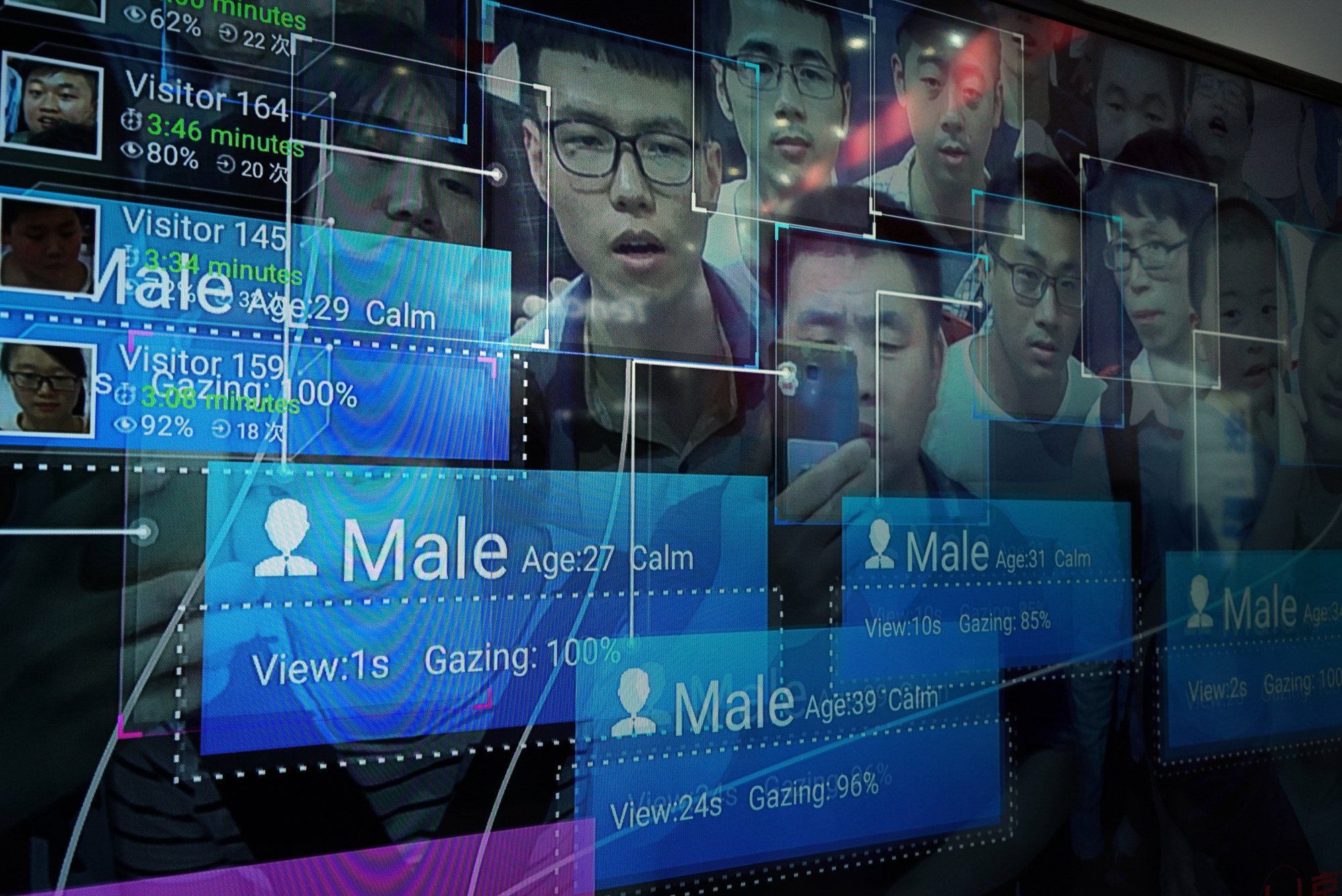
Li reported the matter to higher government authorities in October. The government reportedly promised to respond to the report by December 31.
Some people also asked how printed faces could circumvent a facial recognition system.
A 2022 report by Legal Daily revealed that cheap printed faces custom-made at online shops for 10 to 40 yuan (US$1.4 to US$5.6) worked for some facial recognition machines.
Another viewer on social media said that printed face masks can bypass facial recognition machines which operate at a lower resolution. – South China Morning Post


