




China is making progress in artificial intelligence “agentic frameworks”, the tools required to make AI agents, as the country’s tech giants begin to take on US players such as AutoGen and OpenAI Swarm.
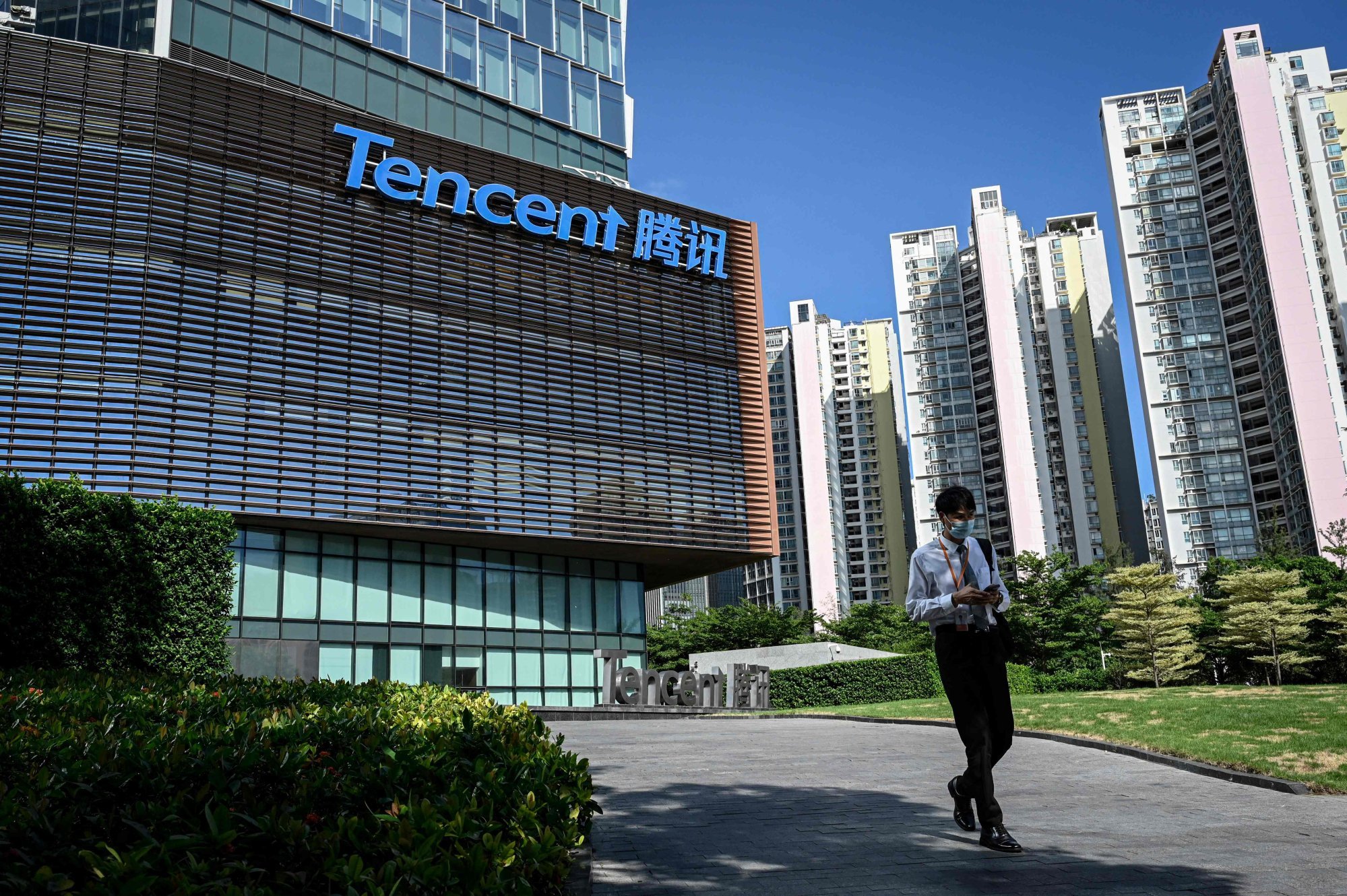
Tencent Holdings was the latest to join the fray after the Shenzhen-based company open-sourced its new Youtu-Agent agentic framework on Tuesday. Developed by Youtu Labs, Tencent’s AI research department, the framework was released on Microsoft’s open-source code-hosting platform GitHub last week.
The company said that a Youtu-Agent agent built on the open-source DeepSeek-V3.1 model achieved a score of 71.47% on WebWalkerQA, a web traversal benchmark.
The move followed ByteDance, the owner of TikTok, which open-sourced its agent development platform, Coze Studio, in July. Meanwhile, Alibaba Group Holding open-sourced its agent framework Qwen-Agent in March.
Alibaba owns the South China Morning Post.
Agentic frameworks are software platforms that provide the tools and components to build, deploy and manage AI agents. Agents, such as Chinese start-up Butterfly Effect’s Manus and OpenAI’s Operator, are capable of autonomously performing complex tasks for users by planning and executing a series of subtasks.
According to a recent ranking by IBM, the most popular agent frameworks were developed by US firms, including Microsoft-owned AutoGen, CrewAI and LangChain – which are all open-source.
However, Chinese agent frameworks are gaining in popularity, with both ByteDance’s Coze Studio and Alibaba’s Qwen-Agent already amassing more than 10,000 stars on GitHub, a rough measure of popularity. As a reference, LangChain has more than 115,000 stars.
Tencent said that Youtu-Agent employed a process called “automated agent generation”. Instead of requiring users to manually configure their agents using code, it allows developers to do so through YAML files, which stands for Yet Another Markup Language, a more human-readable data serialisation language.
Tencent said this approach would “significantly simplify” the agent configuration process and allow beginner developers to quickly build their own agents. A “meta-agent” would also interact with users to clarify their intent and automatically generate YAML files.
Tencent is one of several Chinese tech firms that initially developed chatbots but have focused on developing AI agents this year. Others include AI unicorn Z.ai, as well as Alibaba and ByteDance. At the World Artificial Intelligence Conference in Shanghai in July, Tencent unveiled a dozen new AI agents customised for specific tasks such as coding and marketing.
On Monday, Tencent released a new open-source translation model that topped the preliminary rankings of a global machine-translation competition, edging out significantly larger closed-source models from the likes of Google and OpenAI.
In early August, Tencent introduced four new smaller versions of its flagship Hunyuan model that can be hosted on consumer-grade graphics processing units. – South China Morning Post



