
ON social media platforms like TikTok, it’s common to see employees sharing their workplace experiences through “Day In My Life” videos.
Some of these have gained significant popularity, such as a video by TikTok user Fatin Amiera @fangten, who shared her work experience at a multinational company, amassing over 1.4 million views since June last year.
Another example is lawyer Tun Laila (@yarafaee), whose video showcasing her workday at a court in Klang has received more than nine million views since 2023.
Why are these videos so fascinating to viewers? According to online reports, viewers may find comfort in watching others enjoy their routines, appreciating even the seemingly mundane.
Sharifah Hani Yasmin Syed Abdullah, founder of One Step Closer, career consultant and employability advocate, says that Day In My Life videos are a popular trend among younger people.
“They grew up being comfortable with the idea of self-expression on social media, so opening up about their professional life is a natural extension for them.

“They want to express themselves fully in all aspects of their life, like how they dress for work, but it may come at the cost of professional workplace standards,” she says.
Another reason, she says, is millennials desire to establish themselves as key opinion leaders on social media.
“Personally, I support this practice because it’s a collective responsibility to educate the younger generation.
“Sharing lived experiences can equip young people with valuable insights, particularly when it comes to navigating the workplace and negotiating salaries,” Sharifah Hani Yasmin explains.
Digital disclosure
However, it’s not all sunshine and rainbows. Website Bustle reports that Gen Z users in the United States have taken to TikTok to publicly express dissatisfaction towards work, often showing a disregard for their digital footprint as they vent about workloads and unfair treatment.
Before you decide to create personal video content about work, MYHRC Services managing consultant Deepa George recommends checking the company policy first.
“Read the contract or employee handbook to confirm whether it states any governance on this,” George says.
She adds that most organisations strictly prohibit employees from recording and sharing videos at work unless officially authorised.
Some may allow it if they can review the content first to ensure that no confidential information is disclosed and that it presents a specific perspective.
“Interestingly, the few (companies) that don’t mind it or have limited restrictions are typically confident of their positive work culture with nothing to hide,” she adds.
Sharifah Hani Yasmin says company policy on recording personal content at work may vary, but startups, multinationals and government-linked companies generally welcome positive Day In My Life videos as they serve as good publicity to showcase company culture.
The safe approach, she says, is to clarify with the HR department.
“They can provide nuanced information on what is acceptable based on their own internal policies. But generally, you can share your own experiences online as long as you avoid referencing the company and omit confidential information,” she adds.
However, without a clear policy on personal content creation at work, George believes employees will increasingly share such videos under the assumption that it’s better to ask for forgiveness later rather than seek permission first.
As social media is a public space, associate director Lucas Ang at human resources solutions company Persolkelly believes that employees need to be mindful of what they post online as it may reflect on their professional reputation.
Ang, who oversees recruitment teams in Kuala Lumpur, Penang, and Johor, emphasises the importance of maintaining a professional reputation.
“For job seekers, a strong professional reputation is important for standing out in a competitive job market. It influences hiring decisions and promotions, as employers are looking for individuals who can be trusted to deliver quality work and contribute positively to the company,” Ang says.
Based on his experience, he says there have been mixed reactions towards such videos. Though social media provides opportunities to showcase a company’s achievements, it also exposes them to public scrutiny.

Also, negative posts about the management or work culture can quickly go viral and damage reputation.
“It can increase pressure on the company, especially if sensitive issues are shared publicly. But this also acts as a wake-up call for companies to relook into how they manage the business and if there are areas of improvement,” he adds.
He says it’s important for companies to respond to such posts transparently by acknowledging the issues and outlining steps to improve.
“Companies should focus on addressing the root causes of the negative content. If there is an issue within the company, rather than just reacting to negative posts, it is important to fix the underlying problem,” Ang says, adding that companies should strive to foster an environment where employees’ viewpoints can be heard without fearing retaliation.
By doing so, Ang says they show commitment to change while protecting their reputation.
“For jobseekers, social media can offer insights into what it is like working at a particular company. By reviewing feedback from current and former employees, job seekers can make more informed decisions about a company,” he says.
Working it out
With such content on the rise on online platforms, will companies adjust their social media policies to mitigate potential risks?
Sharifah Hani Yasmin anticipates that more companies will likely adjust their social media policies to address personal online video content that showcases the workplace.
“Recruiters are increasingly reviewing candidates’ social media profiles as part of the hiring process to ensure that they are suitable candidates.
“So it’s likely that stricter guidelines on what employees can and cannot share will be put in place to safeguard corporate interests to ensure that employees themselves align with the company’s values, culture, and reputation,” she says.
Ang believes that employees should be rational and factual when posting content related to their professional lives.
“Avoid sharing content that is emotionally charged, as it can have unintended consequences,” he adds.
He advises employees to consider maintaining a balanced perspective where they should also think about the message they are conveying.
“Would it be perceived as professional or come off as a one-sided venting? If you’re going to share your experience, do so in a neutral, constructive manner,” he says.
Ang acknowledges that it’s normal to feel frustrated at work, but constantly publishing negative posts may give employers the impression that the user lacks professionalism or might be difficult to work with.
“Always pause and consider the potential impact of your posts before hitting ‘share’,” he says.
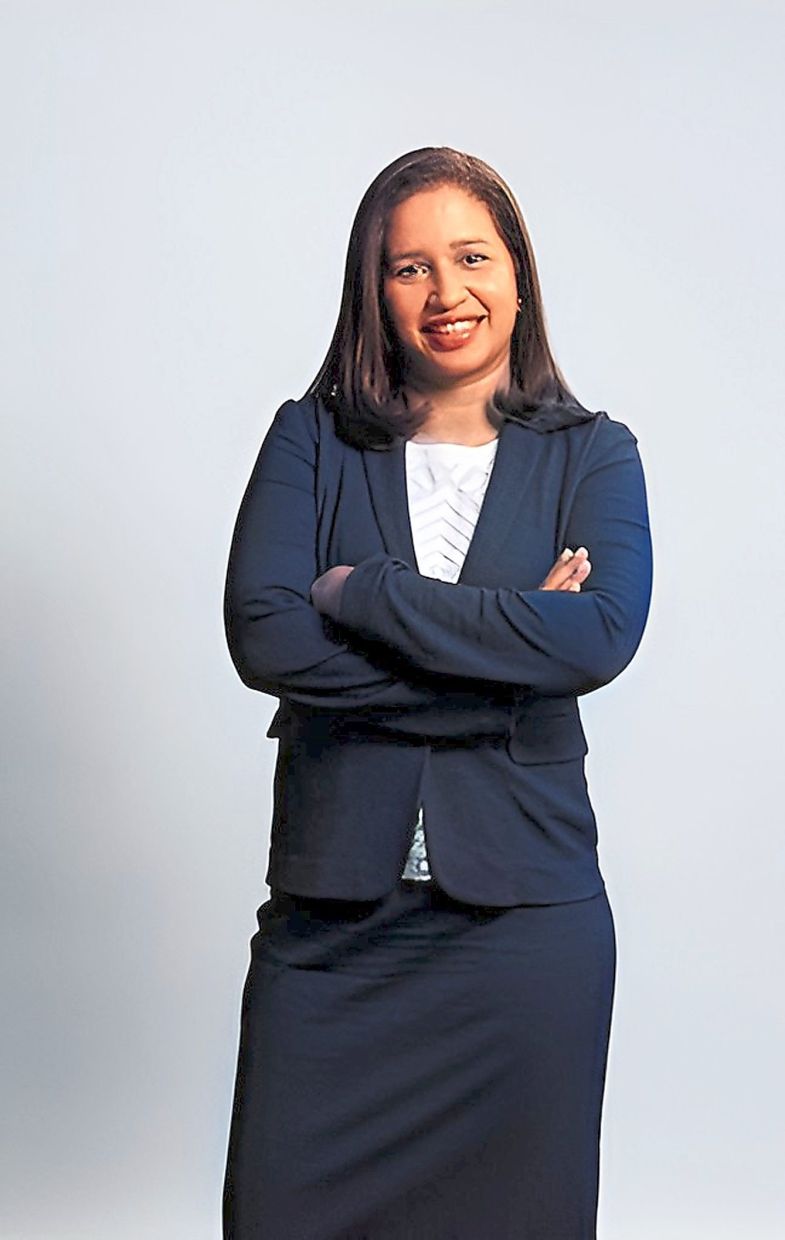
George shares Ang’s view regarding posting content that may not reflect positively on work, advising employees to think twice and perhaps sleep on it before sharing negative videos.
“Posting about an incident immediately may have emotions overriding logic so it can come across as whining. The true sentiment and thoughts shared after a day of reflection may be safer or more objective,” she adds.
However, if employees feel compelled to make an unresolved issue public, George advises focusing on the issue itself rather than resorting to naming and shaming.
“This is highly unprofessional and can have far-reaching consequences on all parties, including the employee who posted it,” she says.
According to Sharifah Hani Yasmin, discussing workplace struggles online is discouraged across all sectors.
“Companies often highlight transparency and authenticity as core values in their employer branding, but that seems to change when employees voice complaints publicly,” she adds.
She encourages employees to seek support through internal resources instead of sharing issues on social media. Other than consulting HR, she recommends bringing the issue up during town halls.
“If you must share it on social media to gain insights from other netizens, do so anonymously to protect yourselves,” she adds.
When a jobseeker has a negative social media reputation, Ang suggests that the best approach is to be transparent.
“Employers appreciate candidates who show accountability. If there are posts or comments that could impact your professional reputation, it is important to acknowledge them, explain the situation, and highlight the lessons learned,” he adds.
If employees want to keep sharing content about their professional pursuits, Sharifah Hani Yasmin says keep it positive.
“That’s not to say you can’t be honest about challenges, but don’t make that the only focus. You can share strategies and solutions for overcoming these challenges,” she says.
“And make it clear that your experiences are personal and do not reflect your employer’s stance. Better be safe than sorry!”