Google CEO blasts ‘unacceptable’ Gemini image generation failure


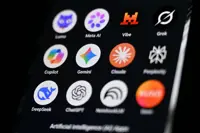
Gemini, formerly Bard, is Google’s flagship artificial intelligence product, but the company was criticised for its image generation that depicted historically inaccurate scenes when prompted to create images of people. — Photo by ALAIN JOCARD/AFP

Alphabet Inc.’s Sundar Pichai emailed staff on Tuesday to address the problematic responses from Google’s Gemini AI engine, describing them as "completely unacceptable.”

Teams are now working around the clock to rectify the issues, Pichai wrote in his note, reviewed by Bloomberg News. Stressing the need for the company to deliver unbiased and accurate information, the chief executive officer of both Alphabet and Google said structural changes will be made to prevent similar incidents.

Gemini, formerly Bard, is Google’s flagship artificial intelligence product, but the company was criticised for its image generation that depicted historically inaccurate scenes when prompted to create images of people. The Mountain View, California-based company stopped accepting prompts for people in its image generator while it worked to address the concerns raised.

"We’ll be driving a clear set of actions, including structural changes, updated product guidelines, improved launch processes, robust evals and red-teaming, and technical recommendations,” Pichai wrote, urging a focus on "helpful products that are deserving of our users’ trust.”

The boom in AI interest and use has brought with it a wave of closer scrutiny, with many critics pointing to the potential for AI-created content to mislead, either deliberately or accidentally.

The full note from Pichai to Google employees, first reported by Semafor, is below.

I want to address the recent issues with problematic text and image responses in the Gemini app (formerly Bard). I know that some of its responses have offended our users and shown bias – to be clear, that’s completely unacceptable and we got it wrong.

Our teams have been working around the clock to address these issues. We’re already seeing a substantial improvement on a wide range of prompts. No AI is perfect, especially at this emerging stage of the industry’s development, but we know the bar is high for us and we will keep at it for however long it takes. And we’ll review what happened and make sure we fix it at scale.

Our mission to organise the world’s information and make it universally accessible and useful is sacrosanct. We’ve always sought to give users helpful, accurate, and unbiased information in our products. That’s why people trust them. This has to be our approach for all our products, including our emerging AI products.

We’ll be driving a clear set of actions, including structural changes, updated product guidelines, improved launch processes, robust evals and red-teaming, and technical recommendations. We are looking across all of this and will make the necessary changes.

Even as we learn from what went wrong here, we should also build on the product and technical announcements we’ve made in AI over the last several weeks. That includes some foundational advances in our underlying models e.g. our 1 million long-context window breakthrough and our open models, both of which have been well received.

We know what it takes to create great products that are used and beloved by billions of people and businesses, and with our infrastructure and research expertise we have an incredible springboard for the AI wave. Let’s focus on what matters most: building helpful products that are deserving of our users’ trust. – Bloomberg

Follow us on our official WhatsApp channel for breaking news alerts and key updates!

Next In Tech News

Is social media harmful for kids? Meta and YouTube face US trial after TikTok settles suit
It’s not a product. This habit will be the biggest luxury of 2026
Apple spent years downplaying AI chatbots. Now Siri Is becoming one
US judge signals Musk's xAI may lose lawsuit accusing Altman's OpenAI of stealing trade secrets
Apple stole our revolutionary camera technology, British company claims in US district court lawsuit
Exclusive-Saks ending e-commerce partnership with Amazon, source says
Nvidia's plan to invest up to $100 billion in OpenAI has stalled, WSJ reports
Musk's Starlink updates privacy policy to allow consumer data to train AI
Google defeats bid for billions of dollars of new penalties in US privacy class action
Analysis-Combining SpaceX with xAI may be simple for Musk Inc, but Tesla isn't so easy

Others Also Read