WASHINGTON: Donald Trump was among the most effective politicians at using social media and built a vast following on the major platforms before being abruptly banned.
With the Facebook independent oversight board preparing to review the platform's ban on the former US president, here are some key points about his often turbulent relationship with social media:
Unfiltered
Trump built a massive following of some 88 million on Twitter and 35 million on Facebook, using his personal accounts more than official ones, even in political and policy statements. Critics said Trump repeatedly violated platform rules on hateful and abusive content but he was largely unfiltered until the final months of his presidency.
His unusual usage made social media an important place for political discourse.
Trump’s blocking of people who criticised him on Twitter prompted a lawsuit, and a court ruled in 2019 that his personal account was effectively a “public forum” that must allow all voices.
Exceptions to the rules
The large social networks until last year largely rejected calls to remove Trump’s often inflammatory or untruthful posts, saying that even if he violated the rules, his comments should remain available because they were newsworthy.
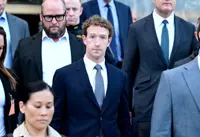
The US leader blew hot and cold toward social platforms, often accusing them of political bias. But he also invited Facebook founder Mark Zuckerberg to a private White House dinner in 2019, sparking speculation that the social media giant was giving him special treatment.
Warning labels
In 2020, Facebook and Twitter started applying warning labels to some of Trump’s messages, such as one in which he encouraged people to try to vote twice, via mail and in person: “When Polls open, go to your Polling Place to see if it was COUNTED. IF NOT, VOTE!”
Facebook last June removed a Trump ad which used a Nazi concentration camp symbol of an inverted triangle, and the big platforms gradually stepped up their moderation of his posts.
Facebook removed one of his comments which said the US had “learned to live with” flu season, “just like we are learning to live with Covid, in most populations far less lethal!!!” while Twitter hid the message, requiring users to click to see it.
Things fall apart
After battling through a contentious US election in which Trump was seen as a major source of misinformation, the platforms took more decisive actions after the deadly rampage of his supporters Jan 6 at the US Capitol.
“The shocking events of the last 24 hours clearly demonstrate that President Donald Trump intends to use his remaining time in office to undermine the peaceful and lawful transition of power to his elected successor, Joe Biden,” Zuckerberg wrote on his Facebook page.
Twitter took a similar path but founder Jack Dorsey acknowledged some of the blame for allowing things to get out of hand.
“Having to ban an account has real and significant ramifications,” Dorsey said in a string of tweets about his take on the company’s decision to permanently bar the president.
“While there are clear and obvious exceptions, I feel a ban is a failure of ours ultimately to promote healthy conversation.” – AFP
Already a subscriber? Log in
Get 20% OFF The Star Digital Access
Cancel anytime. Ad-free. Unlimited access with perks.