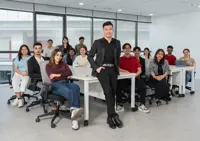

AS DIGITAL transformation accelerates across industries, computing is entering a new era.
The rapid growth of artificial intelligence (AI), advanced analytics, robotics, scientific research and autonomous technologies is creating computational demands that traditional computing alone can no longer efficiently support.
To address these growing challenges, next-generation (next-gen) computing is emerging as a transformative evolution in computing technologies, enabling faster processing, greater scalability, enhanced energy efficiency and more intelligent decision-making.
Moving into Quantum Computing education and investment in advanced NVIDIA Grace Blackwell-powered DGX Spark AI computing infrastructure, Asia Pacific University of Technology & Innovation (APU) is building an environment that prepares students to understand, explore and develop with the technologies shaping the next generation of computing.
Each DGX Spark unit is powered by the NVIDIA GB10 Grace Blackwell Superchip featuring 128 GB LPDDR5x unified memory, allowing students and researchers to run, train and fine-tune large language models (LLMs) with up to 200 billion parameters locally.
Understanding next-gen computing
For decades, conventional computing has powered technological innovation through increasingly powerful processors and improved hardware architectures.
While these systems remain fundamental, today’s AI-driven world requires computing capabilities capable of processing enormous volumes of data, training increasingly sophisticated machine learning models and solving highly complex computational problems.
Next-gen computing represents the evolution beyond traditional computing, introducing new architectures and approaches designed to tackle these challenges.
Among the most significant developments are:
> Quantum Computing: Uses the principles of quantum mechanics to solve certain complex calculations significantly faster than conventional computers.
> Neuromorphic Computing: Mimics the structure and function of the human brain, enabling energy-efficient, real-time processing for AI, robotics and edge computing applications.
> Photonic Computing: Uses light instead of electricity to process data, enabling faster data transmission with lower energy consumption and minimal heat generation.
> AI Supercomputing: Combines high-performance computing with specialised AI hardware to accelerate the training, deployment and optimisation of large-scale AI models and complex data processing.
Rather than replacing one another, these technologies represent complementary computing paradigms that will increasingly coexist, each addressing different types of computational challenges.
Within APU’s learning environment, these technologies are explored through an integrated academic approach, helping students connect them with current technologies such as AI, data science and cloud computing, ensuring that learning remains grounded and forward-looking.
An evolving landscape
As industries increasingly adopt next-gen computing technologies, the expectations placed on students continue to evolve.
Technical knowledge alone is no longer sufficient – adaptability, critical thinking and interdisciplinary understanding are equally important.
Recognising this shift, APU’s educational approach is designed to equip students with both strong computing fundamentals and practical exposure to advanced technologies.
By encouraging students to think beyond immediate solutions, evaluate the broader impact of technological advancements and develop strategic problem-solving skills, APU prepares them to contribute effectively in environments where AI, high-performance computing and other next-gen computing paradigms are becoming increasingly integral to industry and society.
Building strong foundations
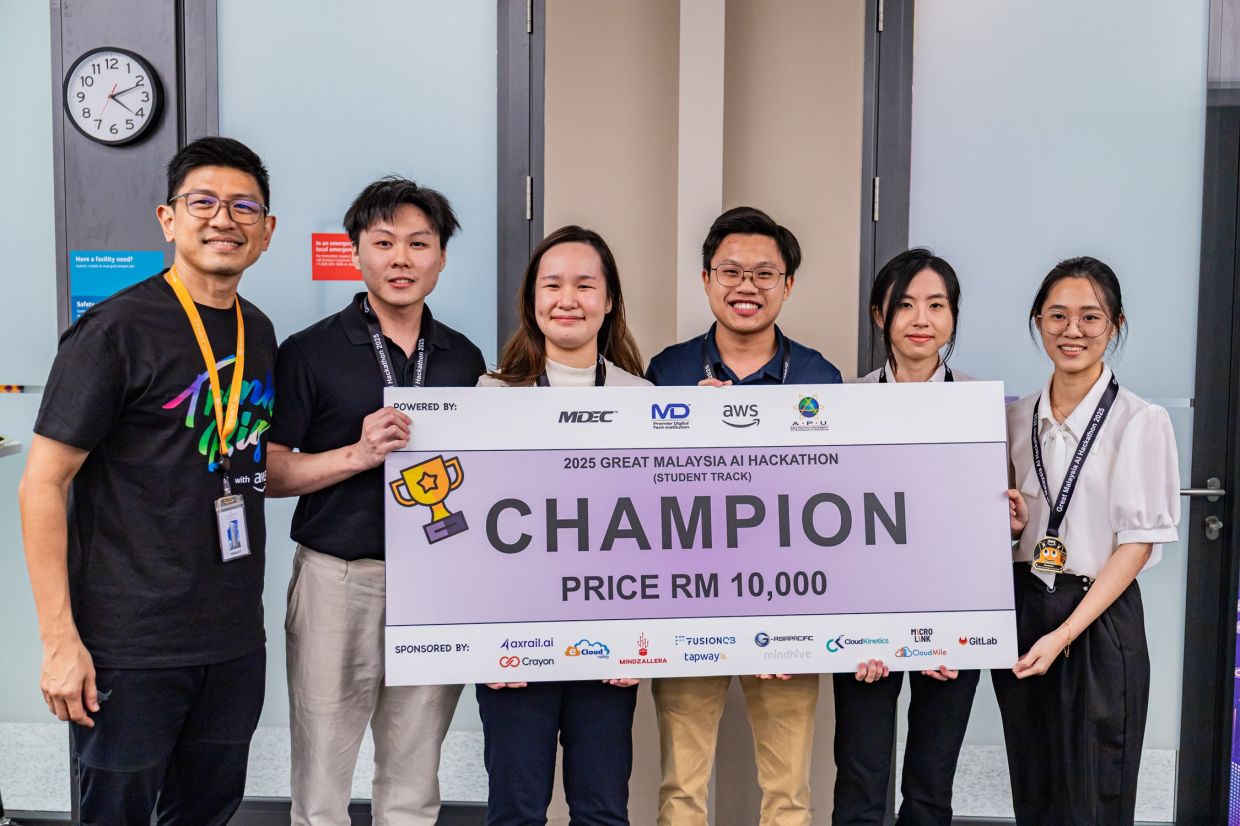
APU has received special recognition from Talentbank for its outstanding achievements in employer recognition and graduate employability. This year, APU is ranked #1 among Malaysian universities for Computing & IT and has been named the Champion in Computing & IT for five consecutive years (2022–2026).
While next-gen computing introduces new technological possibilities, its foundations remain firmly rooted in core computing principles.
APU vice-chancellor Prof Dr Ho Chin Kuan highlighted that the institution’s programmes place strong emphasis on algorithms, data structures, machine learning, high-performance computing and AI.
These elements equip students with the essential knowledge needed to understand and adapt to emerging computing paradigms.
“By focusing on these fundamentals, students develop the ability to navigate technological shifts, rather than being limited to specific tools or trends,” he said.
“This approach ensures that students are equipped not only for current industry needs, but also for future developments, as computing technologies continue to advance.”
Bringing AI Supercomputing into the classroom
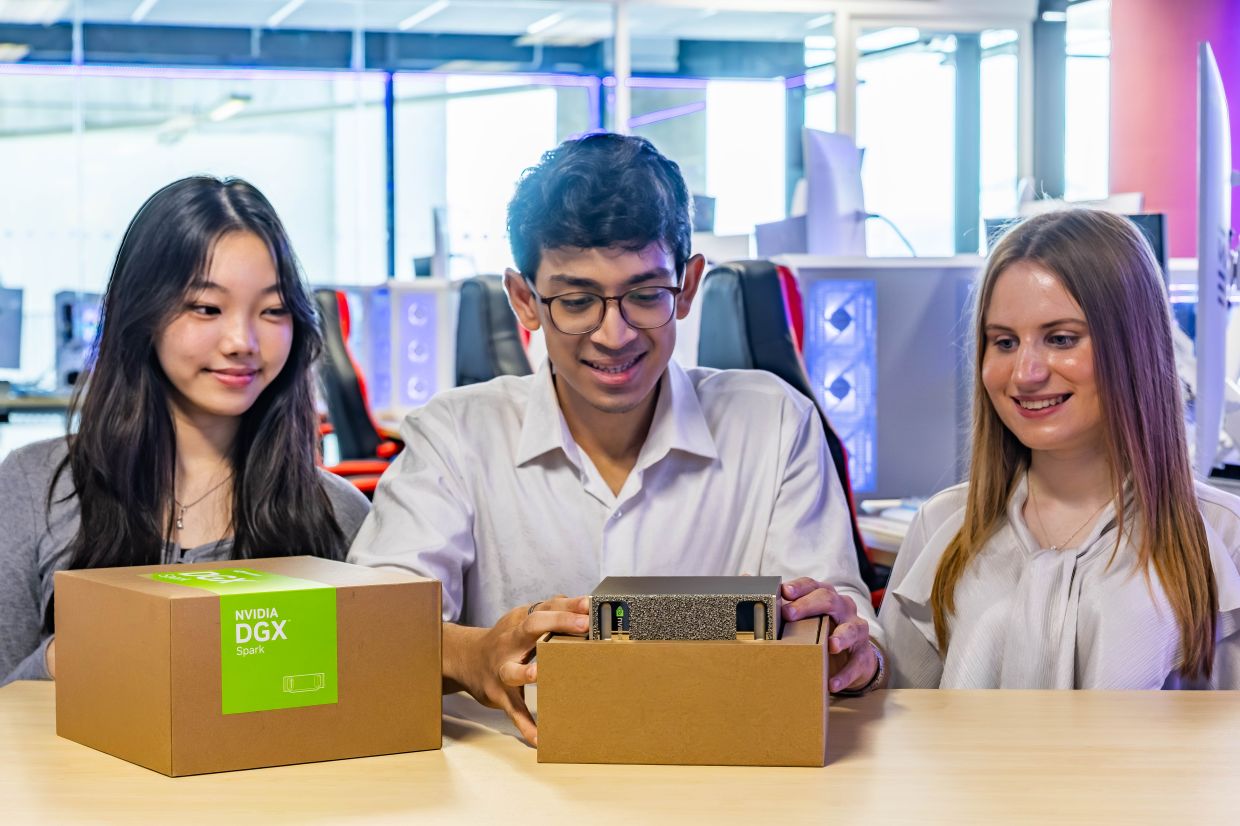
The rapid advancement of AI across industries highlights the importance of providing students with opportunities to engage directly with advanced computing technologies.
This led APU to establish what it describes as Malaysia’s first NVIDIA-powered DGX Spark AI Supercomputing Lab, providing access to high-performance computing capabilities that support the development of future-ready AI skills.
Powered by NVIDIA DGX Spark systems, the lab provides the computing capabilities needed to support complex AI projects and large-scale data processing.
NVIDIA DGX Spark is also adopted by top institutions such as Stanford University, Harvard University, Arizona State University, Mississippi State University and the University of Delaware.
This enables students across disciplines, including computer science, AI, data science and business analytics, software engineering, computer engineering and mechatronic engineering, to gain deeper insights into areas such as AI development, data processing, machine learning and intelligent systems.
Bridging theory with real-world application
Understanding advanced computing requires more than theoretical knowledge – it demands practical application.
APU’s School of Computing head Assoc Prof Dr Tan Chin Ike emphasised that within the university’s learning approach, students engage in hands-on experiences through industry-relevant projects, collaborative assignments and problem-solving exercises that reflect real-world challenges.
“These experiences allow them to explore how advanced computing concepts are applied in areas such as optimisation, intelligent systems and large-scale data processing,” he said.
“Also, through this applied learning approach, students gain insight into how emerging technologies can be applied to develop meaningful solutions across sectors such as computing and technology, engineering, financial technology, business and management, as well as digital media and design.”
Where future possibilities take shape
Next-gen computing represents a significant shift in how technology will shape the world ahead, extending beyond improvements in processing power to influence how industries innovate, complex challenges are addressed and progress is achieved across society.
The future of computing will not be defined by a single technology, but by the convergence of multiple computing paradigms working together.
From quantum computing and neuromorphic systems to AI supercomputing and emerging computing architectures, future advancements will rely on professionals who can understand how these technologies function individually, while recognising how they can complement one another to create meaningful solutions.
At APU, this journey is already underway, as the university empowers students with the knowledge, practical experience, and technological capabilities needed to transform emerging possibilities into real-world impact and contribute to the next generation of intelligent innovation.
Discover more at the APU Open Day on August 22-23. For more information, visit www.apu.edu.my or call 03-8996 1000 to start your journey today.