A GOOD swing starts with a connected takeaway. When the arms drift away from the body in the first move, the backswing quickly unravels – the club slips off plane, the face loses its orientation, and solid contact becomes far less likely.
In this week’s instruction piece, you’ll see how a unified body-and-arm motion sets up an athletic top-of-swing position and an onplane downswing that delivers a crisp strike with a square clubface.
Hands drifting away
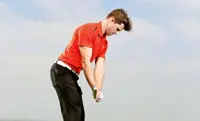
By the time the club reaches parallel to the ground, many club golfers allow their hands to move too far from the body. This disconnect between the torso turn and the arm motion makes it almost impossible to keep the club on a neutral plane, and equally difficult to maintain a square clubface through the takeaway.
Lead arm vertical
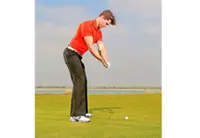
In a connected takeaway, the lead arm sits close to vertical, with the hands directly under the lead shoulder and the club parallel to both the ground and the target line. The club is on plane, and the face is square to that plane – a textbook early swing position.
Stay connected
When the upper body and arms turn at the same rate, the hands remain closer to the body and the club stays on a neutral plane. This harmony in the takeaway sets up a balanced backswing and a more reliable strike.

Already a subscriber? Log in
Get 20% OFF The Star Digital Access
Cancel anytime. Ad-free. Unlimited access with perks.