WHILE electric ferries, hydrogen-powered ships and methanol-fuelled vessels are becoming a reality, are we ready to operate, maintain, inspect and regulate them safely?
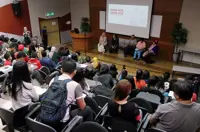
During Malaysia Maritime Week (Sept 28 – Oct 1), I raised this concern during a question-and-answer session with Transport Minister Anthony Loke (pic). The response highlighted a dilemma: With current challenges demanding attention, should we commit resources to technologies that have yet to become widespread?
In an earlier letter, “Is Malaysia ready for electric ferries?” (The Star, Oct 5; https://tinyurl.com/yc4mp3ah), I identified four areas crucial to Malaysia’s maritime transition: a future-ready regulatory framework, technical and enforcement capabilities, appropriate infrastructure, and education and training. These elements must develop together.
Universities are essential, particularly in producing naval architects, marine engineers and other professionals who design, evaluate and manage complex systems. However, the transition also depends on diploma and Technical and Vocational Education and Training (TVET) graduates, technicians, marine electricians, seafarers, shipyard workers, surveyors and enforcement officers.
Their learning needs differ. University graduates need strong engineering fundamentals, systems thinking and the ability to solve unfamiliar problems through life-long learning. Naval architects, for example, must understand mechanics and hydrodynamics while learning to assess how electrification, alternative fuels and digitalisation affect vessel design and performance.
Technicians and TVET graduates face a more immediate practical challenge: installing, testing, operating, maintaining and troubleshooting new equipment.
Seafarers need to understand revised operating procedures, recognise hazards and respond to emergencies.
Inspectors and surveyors must develop the competence to assess unfamiliar systems.
The closer a person’s work is to hands-on operation, the more urgent the need for practical, task-specific training in new technologies.
Universities should not have to overhaul entire degree programmes whenever technology changes. Strong fundamentals remain essential precisely because technologies evolve. Graduates must be able to understand new systems and continue learning throughout their careers.
The solution is to retain core engineering knowledge while creating room for emerging subjects through electives, updated course content, multidisciplinary projects and industry collaboration.
At Universiti Teknologi Malaysia, the revised Bachelor of Engineering in Naval Architecture programme has increased elective credits from five to 12 while retaining its total credits. This allows greater flexibility to introduce relevant subjects without redesigning the entire programme.
Diploma and TVET institutions need a more directly competency-based approach with practical training, updated facilities and greater involvement from vessel operators and equipment manufacturers.
Meanwhile, existing workers require continuing professional development and opportunities to upgrade their skills.
The International Maritime Organisation is also reviewing the STCW Convention (International Convention on Standards of Training, Certification and Watchkeeping for Seafarers), which governs seafarer training, certification and watchkeeping.
This reflects the need to ensure training standards remain relevant as the industry evolves.
Education institutions cannot anticipate every new technology alone. Universities, TVET providers, shipowners, shipyards, equipment manufacturers, regulators and classification societies must work together to identify emerging competencies and develop appropriate training.
We need engineers who can understand tomorrow’s technologies and a workforce capable of operating them safely today.
Preparing both must begin before the next generation of vessels arrives in our ports and waters.
DR OMAR YAAKOB
Adjunct professor
Marine Technology Centre
Faculty of Mechanical Engineering
Universiti Teknologi Malaysia