Many refugees in Asia at risk


HUNDREDS of thousands of refugees living in precarious conditions across Asia are particularly vulnerable to the Covid-19 outbreak, with border closures raising the risk of their forced repatriation, human rights groups said.

Refugees and stateless people in camps are among the hardest hit as they are confined to restricted spaces with few amenities and limited access to healthcare, said Themba Lewis, secretary-general of the charity Asia Pacific Refugee Rights Network (APRRN).

“If you are a refugee facing the Covid-19 outbreak, you cannot advocate for your own needs. You do not have influence over decisions being made about your access to healthcare, tests or even basic information,” he said.

“These populations are particularly precariously placed.”

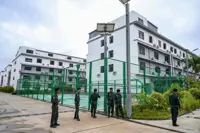
Aid agencies are particularly concerned about large, crowded camps including Cox’s Bazar in Bangladesh, which is home to about 700,000 Rohingya Muslims who fled Myanmar in 2017.

Along the Thai-Myanmar border, about 31,000 refugees from Myanmar live in nine camps, while nearly 60,000 Sri Lankan Tamils are in camps in southern India. More than two million Afghans live in camps in Iran and Pakistan.

To date, there are no confirmed cases of infection among refugees and asylum seekers in South Asia and South-East Asia, said UNHCR, the main United Nations refugee agency.“We are collaborating with partners and national authorities to ensure that these populations are included in all preparedness and response planning,” a spokesman at UNHCR’s regional office in Bangkok said.

Fears of contracting the virus in Iran, one of the worst hit countries, has led to a record number of Afghan returnees in recent weeks, a daily average of more than 9,000, according to the International Organisation of Migration (IOM).

The mass returns are sparking fears of increased transmission rates in Afghanistan, where inadequate housing adds to their vulnerability.

At Cox’s Bazar, medics are setting up isolation units in hospitals and teaching children about hygiene.

In camps along the Thai-Myanmar border, aid agencies are working with Thai authorities to communicate with refugees and strengthen prevention and control measures, said Darren Hertz, head of the International Rescue Committee charity in Thailand.

“The Thai government’s response to this outbreak has been quick, very thorough and risk-appropriate,” he said.

But as more countries close their borders to limit the outbreak, refugees face extensive delays, and risk being stranded or separated from family members, according to IOM.

IOM and UNHCR said this week that they were temporarily suspending resettlement travel. Some countries have also placed a hold on resettlement arrivals.

The border closures and other restrictions threaten refugees’ right to seek protection, said Lewis.

“We have a moral responsibility, and in some cases a legal obligation, to ensure refugees are protected,” he said. — Reuters

Get 20% OFF The Star Digital Access

Monthly Plan

RM 13.90/month

RM 11.12/month

Billed as RM 11.12 for the 1st month, RM 13.90 thereafter.

Best Value

Annual Plan

RM 12.33/month

RM 9.87/month

Billed as RM 118.40 for the 1st year, RM 148 thereafter.

Follow us on our official WhatsApp channel for breaking news alerts and key updates!
refugees , pandemic , coronavirus

Next In Regional

Trump touts Iran inspection deal as Tehran disputes claim
9.3 million�illicit cigarettes seized by Customs
Japan 'robot wolves' in high demand to scare off bears
Lula won’t sideline China or anyone in rare earths, tells Trump refining stays in Brazil
Asean still not ready to accept Myanmar leaders at summits, meetings, says Tok Mat
Anwar holds bilateral talks with S'pore, Laos counterparts
Asean vows to avoid export bans, share fuel as oil prices soar
China AI robot restaurant analyses diners’ faces, tongues to recommend health-focused dishes
Why China’s humanoid robots are still waiting for their ‘ChatGPT moment’
Singapore turns tide in evolving fight against scams

Others Also Read