JOHOR BARU: The introduction of a tidal flow system for commercial vehicles at the Causeway from tomorrow has raised hopes of a smoother cross-border travel.
Also known as the contra-lane system, it is a form of traffic management that temporarily reverses the direction of traffic on existing lanes to ease congestion.
“The proposed operating hours of 5.30am to 9am are a good starting point, but whether this is sufficient can only be determined through actual implementation and traffic monitoring,” said Johor Trucking Association president Chai Pei Yoon.
“So, we hope that the authorities from both sides can monitor the results closely,” she said.
Its effectiveness, she said, would depend on how well it is implemented and coordinated between the authorities of both countries.
Currently, she said that lorry operators had to deal with heavy traffic during peak hours, and unpredictable clearance times at immigration and customs checkpoints.
“For logistics operators, time is a critical factor. Delays at the border affect delivery schedules, driver working hours, fuel consumption and overall operating costs,” she said.
The situation is expected to worsen with the upcoming holiday and festive season, she added.
Last Wednesday, state works, transport, infrastructure and communications committee chairman Mohamad Fazli Mohamad Salleh made known that the tidal flow or contra-lane system would be implemented on the Causeway from Dec 1 as a way to improve the movement of commercial vehicles.
“The tidal flow operation will run from Monday to Friday between 5.30am and 9am, with coordination between Malaysian and Singapore authorities, including the police and Singapore’s Immigration and Checkpoints Authority,” he told the Johor state assembly.
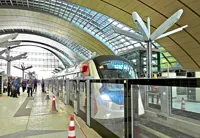
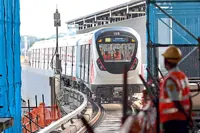
Commercial drivers are also hopeful that the Johor Baru-Singapore Rapid Transit System (RTS) Link, which is expected to begin in February next year, would enable a smoother journey between Malaysia and Singapore.
The RTS Link is Malaysia’s first cross-border metro rail project, linking Bukit Chagar in Johor Baru with Woodlands North in Singapore.
Chai said the link could help reduce pressure on the Causeway arising from daily commuter traffic.
“However, commercial vehicles and freight movements will continue to rely on the road network and existing Customs clearance facilities.
“So, we hope that efforts to improve freight connectivity, including existing Customs and immigration facilities, will continue,” she said.
As for the tidal flow system, Johor Baru Small Business Association president Tey Tian Hwang suggested providing dedicated lanes for commercial vehicles carrying perishable goods.
“Products such as vegetables and fruits may lose their freshness due to prolonged waiting times at the border, especially in hot weather.
“Having separate lanes based on the types of goods being transported could help address this problem,” he said.
On the RTS Link, he suggested offering introductory fares for up to three months to encourage more people to try the service.
“Pricing is important. If Malaysians and Singaporeans can travel conveniently between the two countries without being caught in traffic jam, it would benefit the economies of both countries,” he said.
Mohamad Shamyrul Arzemy, a Malaysian who works in Singapore as a swimming pool technician, said the RTS Link would be a good alternative for Malaysians working in Singapore who rely on public transport.
“It could help ease congestion at the bus terminal at the CIQ (Customs, Immigration and Quarantine) complex.
“However, whether commuters switch to the RTS Link will depend on the nature of their jobs. Those working at fixed locations, such as factories or shopping malls, may find it convenient.
“For people like me who need to travel between work sites, a motorcycle is more practical,” said Mohamad Shamyrul, 34.