M’sia working on securing alternative source from African countries
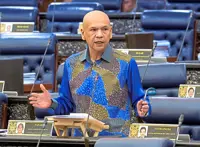
MALAYSIA is working on securing alternative crude oil supplies from western African countries amid the prolonged conflict between the United States and Iran that has led to curbs on the movement of cargo through the Strait of Hormuz, says Domestic Trade and Cost of Living Minister Datuk Armizan Mohd Ali (pic).
Nearly 40% of the crude oil supply used by Malaysia’s refineries comes through the Strait of Hormuz, prompting the government to secure alternative supplies from West African countries amid the prolonged US-Iran conflict.
Domestic Trade and Cost of Living Minister Datuk Armizan Mohd Ali said the move had helped extend the country’s supply security, which initially could only be sustained for two months when the conflict broke out on Feb 28.
“At this stage, the most important thing is to ensure that we have alternative sources of supply. Through a whole-of-society approach, we have managed to secure oil supplies from western African countries,” he said in Dewan Rakyat yesterday when responding to a supplementary question from Dr Abd Ghani Ahmad (Jerlun), who asked about the potential impact of the situation in Iran on inflation, food prices and the cost of living if the fighting continued into next year.
Armizan said the government had managed to maintain uninterrupted supplies of fuel and essential goods, without having to introduce rationing.
However, he cautioned that inflation could exceed 2% next year if the conflict persisted, although the government would continue implementing measures to cushion the impact.
Malaysia’s inflation stood at 1.9% in October, compared with 7.8% in the Philippines, 5.1% in Vietnam, 3.9% in Thailand, and 3.2% in Indonesia.
He said the prolonged conflict had triggered a global supply chain crisis, with countries competing for alternative sources of strategic commodities while some had restricted exports to safeguard their domestic supplies.
This had put pressure on the global supply and demand balance, pushing up the prices of goods and services, including logistics.
Armizan said the government’s response was centred on four areas: fiscal rationalisation and spending controls, securing strategic supply chains and essential goods, supporting local industries and businesses, particularly micro, small and medium enterprises, and managing the cost of living through price stabilisation, subsidies and additional assistance.
Separately, responding to Onn Abu Bakar (Batu Pahat), who asked why prices of goods did not necessarily fall when global oil prices declined, Armizan said the ministry will examine whether price increases were justified by higher operating costs or involved profiteering.
He said any decline in oil prices could be used as an indicator in investigations to determine whether traders had taken advantage of earlier cost increases to raise prices unfairly.
Armizan also said the government had increased its allocation for cash assistance from RM15bil to RM16bil under Budget 2027 to help households, with the National Cost of Living Action Plan 2030 outlining 429 initiatives across eight focus areas.