



PETALING JAYA: A total of 80 social enterprises and 15 corporate buyers were matched at the inaugural Star Social Enterprise (SE) Open Day, with over 330 business meetings organised to boost the adoption of social procurement.
The event, which was held yesterday, attracted around 130 attendees, bringing together social enterprises, corporate representatives and industry stakeholders to create business opportunities, improve market access and encourage companies to include social enterprises in their procurement decisions.

It was organised by SMG with ASBhive and Institut Keusahawanan Negara as strategic partners.
“The participation of corporate buyers and social enterprises in our inaugural Star Social Enterprise Open Day is very encouraging. SMG is also taking part as a buyer, demonstrating our belief that everyday purchasing decisions can create business opportunities and support livelihoods,” said Star Media Group (SMG) group chief executive officer Chan Seng Fatt.
“We remain committed to nation-building by bringing people and organisations together to create lasting social impact.
“This Open Day builds on our programmes, including the Star Social Impact Grant, Star Golden Hearts Award, Star Education Fund and Star Medical Fund.
“Alongside telling stories that inspire change, we are creating opportunities for businesses and communities to grow together,” he added.
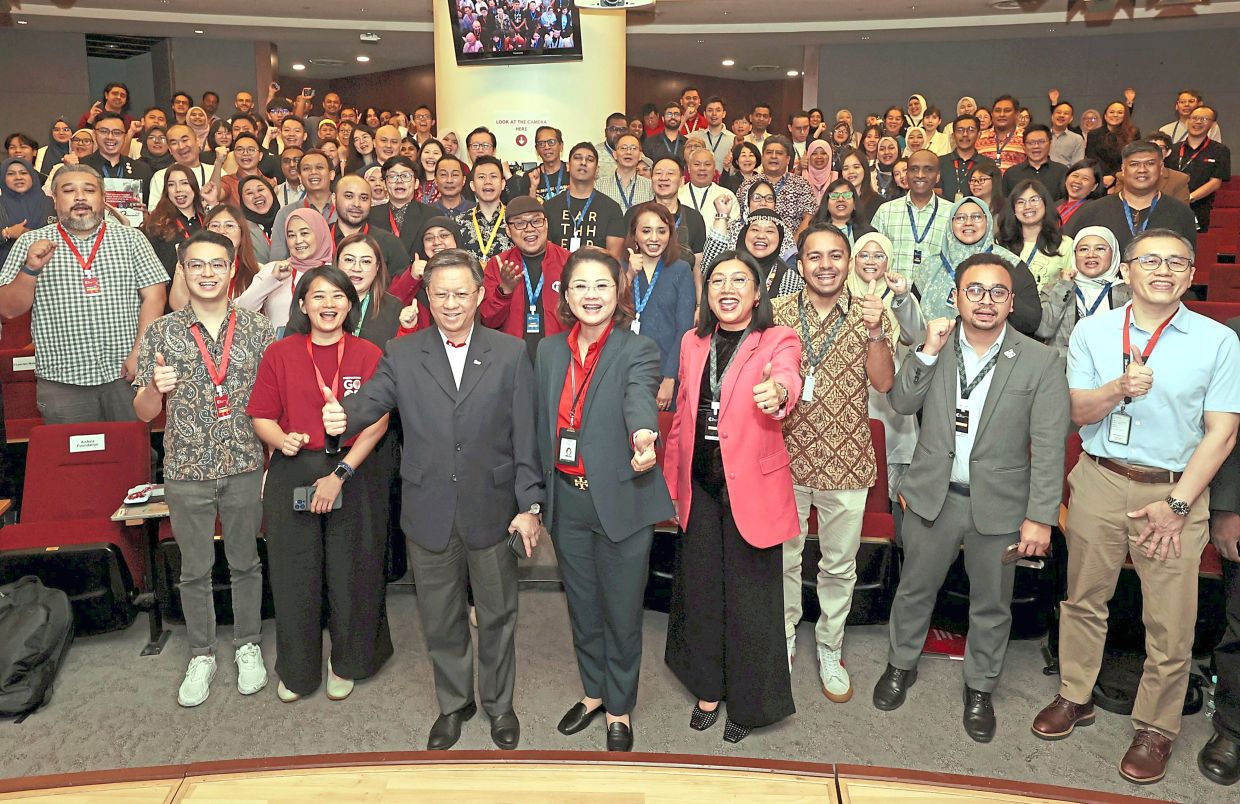
The event was also attended by SMG chief operating officer Lydia Wang.
SMG corporate affairs and sustainability general manager Zuhaila Sedek said the initiative aimed to address two major challenges faced by social enterprises – limited access to corporate buyers and a lack of understanding among businesses about their role and capabilities.
Speaking during a panel discussion titled “Why Aren’t Corporates Buying from Social Enterprises?”, Zuhaila said social enterprises had a dual purpose of generating business value while creating positive social or environmental impact.
She said SMG, which began its social impact initiatives in 1994, hoped to serve as an ecosystem enabler by connecting businesses with social enterprises and helping them understand the value of working together.
Zuhaila encouraged companies to integrate social enterprises into their vendor supply chains and consider appointing dedicated personnel or teams to oversee social procurement.
“This is important for corporates to integrate social enterprises in their supply chain network; this helps them add value in their sustainability reporting narrative,” she said.
She added that building awareness and trust in social procurement would take time and require consistent collaboration between businesses, social enterprises, the government and the media.
Meanwhile, Saving Graze founder Clara Wan said the event offered valuable opportunities to connect with companies interested in procuring from social enterprises.
Her food innovation rescues imperfect or surplus produce from local farmers and turns it into meal boxes and catering meals.
Wan said smaller, founder-led enterprises often only had a few employees and faced the challenge of offering competitive prices for good quality products while maintaining their social impact and financial sustainability.
She hoped the connections made at this event would develop into long-term partnerships and be more than one-off engagements.
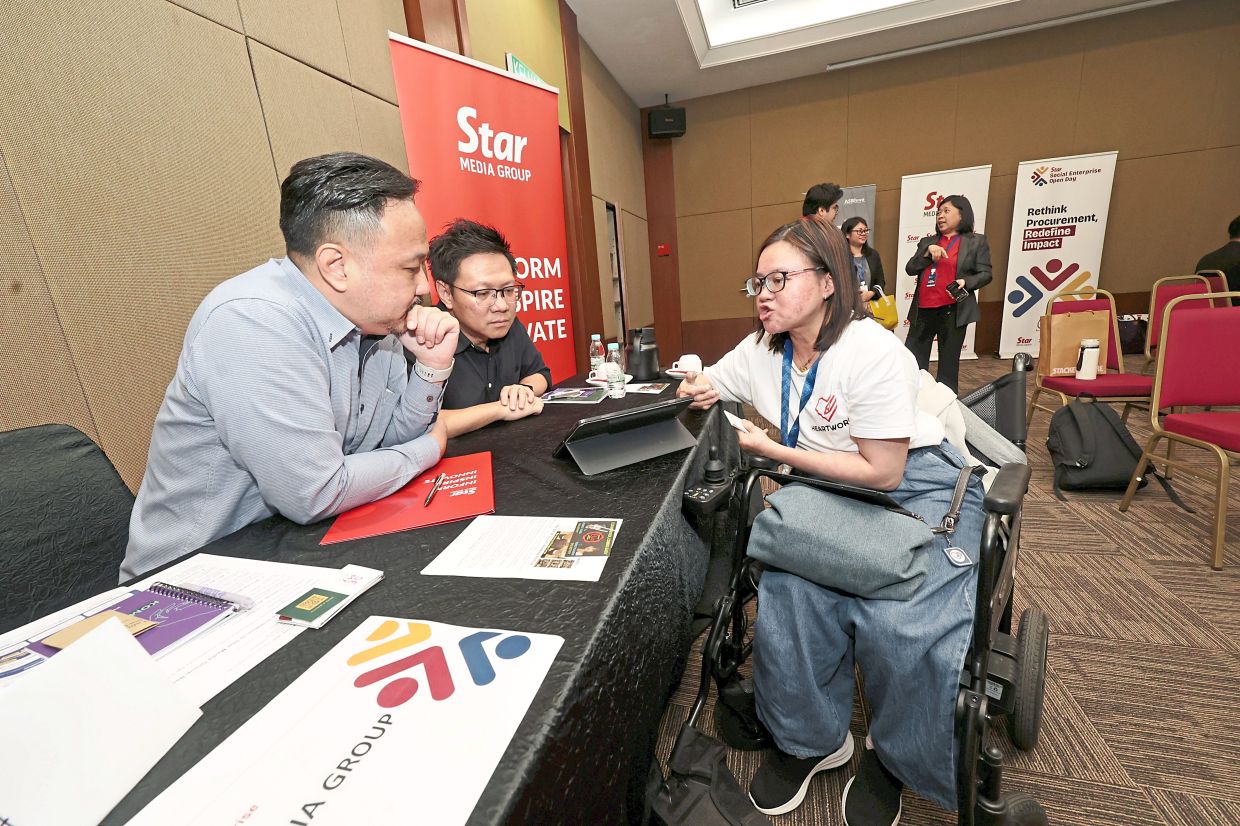
Heartworks Solution founder Fiona Tan said one of the biggest challenges was helping the public understand that social enterprises were businesses seeking financial sustainability, not organisations asking for donations.
Her company supports single mothers, persons with disabilities and women facing mental or physical health challenges.
Fiona said feedback from potential buyers had highlighted the importance of credibility and the ability to deliver on promises, prompting her to improve her company’s presentation materials and team organisation.
AirAsia Foundation assistant manager Lilian Chen said the event offered an opportunity to engage with about 24 social enterprises and understand the sector’s development in Malaysia.
While some enterprises had products that were ready for corporate buyers, others still needed to strengthen their capabilities, she said.
Chen added that AirAsia and its foundation already incorporated social procurement into their purchasing processes and hoped to bring more enterprises on board.
Bank Islam Malaysia Bhd sustainability specialist James Tan said the event had demonstrated that social enterprises could provide quality products and meet corporate requirements, including delivery timelines and demand.
He said the bank had started piloting impact buying as part of its procurement considerations, with plans to explore the initiative further in 2027.
Corporations that wish to collaborate with SMG in the Star SE Open Day for 2027 can contact socialimpact@thestar.com.my.
