KOTA KINABALU: Fresh agriculture graduates could spearhead the transformation of the state's agri-food sector by using modern technologies and strengthening local food production to address emerging challenges in food security.
Sabah Agriculture, Fisheries and Food Industry Minister Datuk Jamawi Jaafar said graduates must utilise the knowledge and skills acquired during their studies to modernise agriculture through the adoption of advanced technologies and innovative farming practices.
He said graduates should serve as agents for change by promoting good agricultural practices through certifications such as myGAP and myOrganic, while encouraging wider community participation in food production.
Jamawi also urged graduates to champion Garden to Kitchen initiatives in their respective areas to promote food cultivation at homes and government premises, helping to reduce living costs and enhance food security.
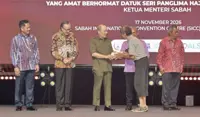
Jamawi's speech was delivered by Sabah Assistant Agriculture, Fisheries and Food Industry Minister I Datuk Ruslan Muharam at the 54th Sabah Agriculture Institute (IPS) Convocation, the 42nd Agricultural Vocational Training Centre (AVTC) Convocation and the 30th Integrated Agricultural Training Centre (IATC) Convocation here.
A total of 246 graduates were celebrated at the event, which marked the first time all three training institutions held a joint convocation ceremony.
Jamawi noted that all graduates achieved a 100% pass rate, which reflected strong discipline, commitment and the quality of agricultural education provided.
He added that graduate employability rates had also been encouraging, with IPS recording 64.5% and AVTC 82.5% under the 12th Malaysia Plan (12MP).
"Many graduates secured employment immediately after completing their industrial training, while some were recruited even before this convocation ceremony took place. This is clear evidence that our agricultural curriculum is highly impactful and remains relevant to current industry needs," he said.
He said graduates should not view their certificates merely as proof of academic completion, but as a responsibility to demonstrate that agriculture is a high-technology, prestigious and potentially lucrative industry.
He said Sabah's agri-food sector faced growing challenges, including geopolitical pressures, climate change and market uncertainties that continued to disrupt supply chains and increase agricultural input costs such as fertilisers and pesticides.
The state must also address its reliance on foreign labour, conventional machinery and imports of key commodities and livestock feed ingredients, particularly grain corn, through greater local production, he said.