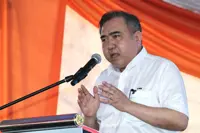
KUALA LUMPUR: Patients using the MediAsas medical insurance plan may have to bear an additional 20% co-insurance when seeking treatment at hospitals that do not comply with the scheme's requirements, says Deputy Finance Minister Liew Chin Tong.
He said hospitals that complied with MediAsas' requirements, including the use of diagnosis-related groups (DRG) to determine treatment charges, would be classified accordingly, while those that failed to comply could result in additional costs for patients.
“Those hospitals that comply with what MediAsas has stipulated, particularly through the DRG system to determine hospital fees, will be considered compliant.
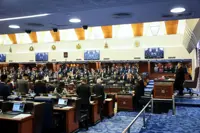
“Patients using these hospitals would not necessarily have to pay the additional charge. However, for hospitals that do not comply, the additional charge may apply,” he told the Dewan Rakyat during question time on Tuesday (Nov 11).
Liew said the co-insurance arrangement was still being reviewed as part of the MediAsas pilot programme, which began in the Klang Valley in late July 2026.
He was responding to Datuk Dr Alias Razak (PN-Kuala Nerus), who raised concerns over the limited number of participating hospitals and the potential financial burden on patients who had to seek treatment outside the network.
Alias said the pilot programme involved only 10 hospitals and asked how many hospitals would be available in Terengganu and other East Coast states when the scheme is introduced nationwide in January 2027.
He also questioned whether patients in areas with fewer participating hospitals would be exempted from the 20% co-insurance.
In response, Liew said four major hospital networks had expressed interest in joining the scheme, although their participation had yet to be finalised.
“Bank Negara Malaysia and the government hope that as many hospitals as possible will participate in the MediAsas scheme,” he said.
The MediAsas plan is part of the government's RESET strategy to improve access to affordable and sustainable medical and health insurance and takaful (MHIT) coverage, while addressing rising private healthcare costs.
The pilot programme involves various groups, including government agencies, government-linked companies, government-linked investment companies, small and medium enterprises and gig workers.
Liew said the government was using feedback from the pilot programme and stakeholders to refine the scheme ahead of its nationwide implementation by the end of January 2027.
Separately, Suhaizan Kaiat (PH-Pulai) asked how unemployed Malaysians could obtain medical insurance coverage under the scheme.
Liew clarified that MediAsas was a voluntary insurance and takaful plan rather than a national health insurance scheme.
He said Malaysia's public healthcare system would continue to provide treatment, while MediAsas would offer another avenue for those who paid premiums to access private hospitals at more controlled costs.
He added that private hospital charges had risen significantly over the past five to 10 years, prompting the government to introduce the scheme as an intervention to control costs and widen access to private healthcare.