



KUALA LUMPUR: Malaysia is targeting 500,000 affordable homes by 2030 while pushing the construction industry to develop homegrown technologies and equip workers with new skills, says Datuk Seri Anwar Ibrahim.
The Prime Minister said the housing target, outlined under the 13th Malaysia Plan (13MP), forms part of a broader national aspiration to deliver one million homes between 2026 and 2035.
“Under the 13th Malaysia Plan, we set up a target of delivering 500,000 affordable homes by 2030, as part of the wider national aspiration of one million homes between 2026-2035,” he said.
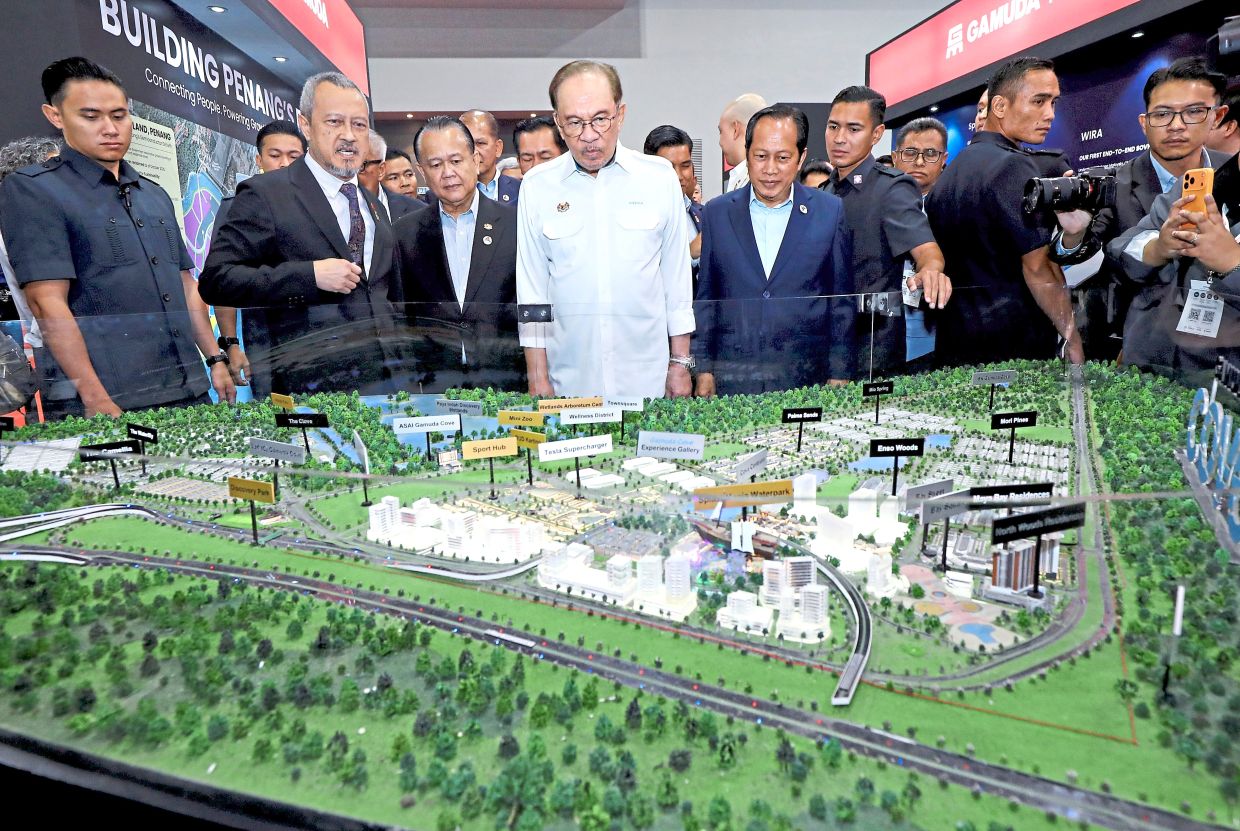
Speaking when opening the International Construction Week, Anwar said technological advancements must translate into tangible benefits for Malaysians, particularly through affordable housing.
“Technology must help us deliver homes more efficiently without compromising safety, quality and liveability and I would add, cost (too),” he said.
Anwar also cautioned against pursuing mega projects that fail to address public needs, warning that development which overlooks societal concerns could breed resentment.
On technological development, he said Malaysia must move beyond importing foreign construction technologies towards developing, manufacturing and eventually exporting its own innovations.
“We want Malaysia to be a country that does not simply import and consume technology,” he said.
He said the country’s modular construction roadmap must be supported by stronger domestic manufacturing capabilities, investment, skilled talent and a conducive regulatory environment.
Anwar also welcomed efforts by the Works Ministry and the Construction Industry Development Board (CIDB) to explore three-dimensional concrete printing technology.
“This initiative is particularly important because it demonstrates how Malaysia can move beyond technology adoption towards developing its own technological capabilities,” he said.
He said foreign technologies should be adapted to Malaysia’s domestic requirements, while stronger collaboration between industry players and technology partners is needed to accelerate technology transfer.
Small and medium-sized contractors must also be given access to training, technology and commercial opportunities to prevent them from being left behind, he added.
The construction workforce, the Prime Minister said, must acquire new competencies to meet the industry’s changing demands.
“The construction workforce of the future will require new competencies in digital design, automation, advanced manufacturing, robotics and technology-enabled construction processes,” he said.
Anwar urged universities, training institutions, industry players and government agencies to work together in preparing workers for these changes.
The industry’s success should ultimately be measured by the capabilities developed, opportunities created for local businesses and the quality of homes and infrastructure delivered to Malaysians, he added.

