KUALA LUMPUR: Ornamental fish must not be released into ponds, lakes and other public waters as it can affect aquatic biodiversity and threaten the survival of local fish species, says Datuk Seri Isham Ishak.
The Agriculture and Food Security Ministry secretary-general said authorities are educating the public against indiscriminately releasing ornamental fish, particularly the pleco, commonly known as ikan bandaraya.
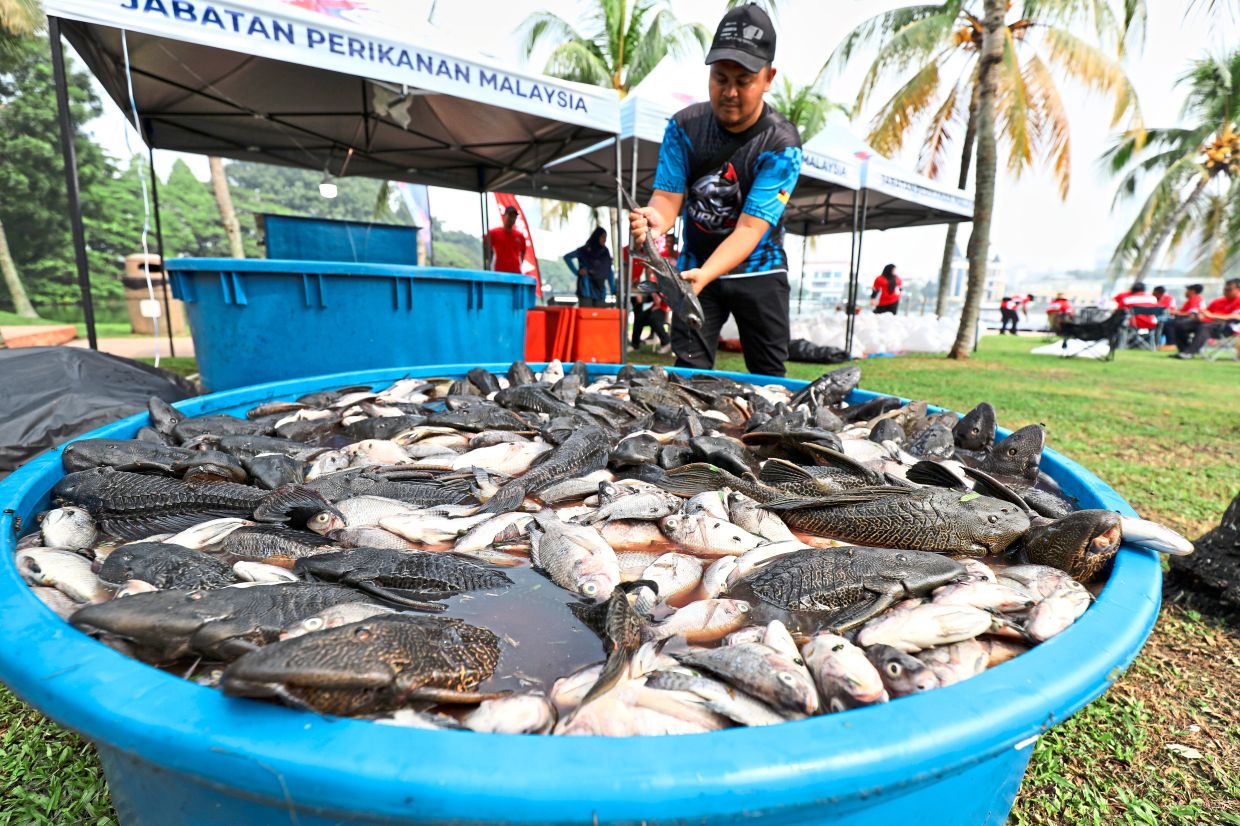
“These species should be destroyed or turned into compost if no longer wanted, rather than dumped in public lakes,” he said at an invasive fish removal programme at Taman Tasik Ampang Hilir yesterday.
“At the rate these species multiply, we cannot take this matter lightly.”
Ishak also urged ornamental fish dealers to refrain from selling invasive fish.
“While we will continue our efforts to contain it, we may also impose a total ban on certain species that pose a threat to our waters,” he added.
He said the issue was becoming increasingly serious with reports of invasive fish encroaching into dams and lakes, due to people releasing unwanted ornamental fish into public waters.
According to the Fisheries Department, the pleco accounted for 83% of recorded invasive fish landings followed by ikan raja or peacock bass at 13.8%.
Perak recorded the highest proportion of invasive fish landings at 50.3%, followed by Negri Sembilan (16.5%) and Selangor (13.3%).
Isham said 37 invasive fish hunting programmes had been held this year to reduce the population of non-native species, while 58.6 million fish and prawn fry were released between 2021 and last year.
He said the department has also carried out inland fisheries inventories at 128 water bodies nationwide, including 12 locations in Kuala Lumpur, to monitor fish species composition and determine appropriate management measures.
Isham also urged the public who came across suspected invasive species to hand them over to the department for identification and further action.
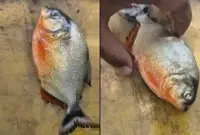
Citing a recent discovery of piranha-like fish at a dam, he urged swift reporting so authorities can isolate invasive threats before they destroy local ecosystems.