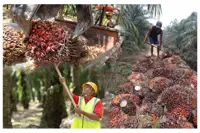
PETALING JAYA: The RM100mil allocation for oil palm replanting, crop disease control and wildlife conservation must translate into tangible benefits for smallholders and support sustainable palm oil production, says the Malaysian Palm Oil Association.
Its chief executive Roslin Azmy Hassan welcomed the allocations, saying the replanting assistance would help smallholders grappling with ageing trees and high replanting costs.
“The conservation allocation reflects the industry’s commitment to protecting biodiversity while ensuring sustainable palm oil production.
“The funding is a good start, but more assistance is needed given the scale of the industry and the challenges it faces,” he said.
While 4,500 smallholders would benefit from the replanting scheme, many others still required support, he said, adding that sustained funding was also necessary to tackle crop diseases, particularly Ganoderma.
“The RM15mil conservation fund should be spent effectively, with clear objectives and measurable results,” he said.
Roslin also highlighted labour shortages and rising operating costs as key challenges facing plantation companies.
The planned increase in the minimum wage from RM1,700 to RM2,000 in June next year would add further cost pressures, he said.
He urged the government to expedite foreign worker approvals and provide greater incentives for mechanisation, particularly in harvesting.
“Plantation companies should play a bigger role in helping smallholders with replanting and improving estate management,” he said.
“Effective implementation and continued support are essential to keeping our palm oil industry productive, sustainable and competitive.”
Prime Minister Datuk Seri Anwar Ibrahim announced that a hybrid financing scheme would benefit 4,500 oil palm smallholders, who would only need to repay half of the financing.
The government will also increase the Rubber Production Incentive rate for the third time, from RM3 to RM3.30 per kg, benefiting more than 300,000 rubber smallholders.
Another RM30mil has been allocated to tackle crop diseases and pest infestations, including Ganoderma, bagworms and mealybugs affecting oil palm, as well as diseases affecting cocoa and pepper crops.
The government will also channel RM15mil collected through a palm oil industry cess towards nature conservation, prioritising the protection of habitats of endangered species such as the Malayan tiger, Bornean elephant and orang utan.