Fewer areas around the country recorded unhealthy API readings
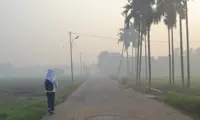
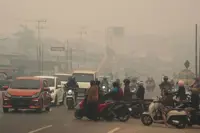
PETALING JAYA: Haze conditions across the country showed some improvement, with the number of areas recording unhealthy Air Pollutant Index (API) readings falling to 18 as of 6pm yesterday, compared with 31 areas a day earlier.
According to the Air Pollutant Index Management System (APIMS) portal, Johan Setia in Selangor recorded the highest reading at 164.
Other unhealthy readings in Selangor were recorded in Shah Alam (162), Klang (157), Petaling Jaya (154) and Banting (125).
In Johor, unhealthy readings were recorded in Pengerang (162), Larkin (160), Kota Tinggi (153) and Pasir Gudang (151).
In Kuala Lumpur, Batu Muda and Cheras each recorded an API reading of 160.
Negri Sembilan recorded unhealthy readings in Nilai (160) and Seremban (153), while in Pahang, Indera Mahkota recorded 155 and Balok Baru in Kuantan recorded 154.
Kuala Terengganu recorded an API reading of 152, while Putrajaya recorded 155 and Bandaraya Melaka 102.
Meanwhile, 49 other areas recorded moderate API readings, while three areas in Sarawak – Sarikei, Limbang and Miri – recorded good readings.
According to the Asean Specialised Meteorological Centre (ASMC), dry conditions were observed over many parts of the southern Asean region yesterday, except for showers over parts of Peninsular Malaysia, Kalimantan, and northern and central Sumatra.
It said isolated hotspots were detected in southern Sumatra and parts of Kalimantan, with moderate to dense transboundary smoke haze observed in parts of Sarawak and Kalimantan.
Moderate to dense smoke haze was also observed over Sumatra, with air quality monitoring stations in parts of Kalimantan and southern Sumatra reporting unhealthy to very unhealthy conditions.
For the coming days, ASMC said dry weather was expected to continue over many parts of the southern Asean region, although showers were forecast over parts of Peninsular Malaysia, northern and central Sumatra, and northwestern Borneo.
It said the hotspot and smoke haze situation could improve in areas receiving wet weather, but could remain elevated in areas experiencing prolonged dry conditions, resulting in a persistent risk of transboundary haze.