JOHOR BARU: The impact of the Middle East conflict on global energy supplies is now being felt beyond petrol, with higher natural gas and coal prices affecting electricity generation costs.
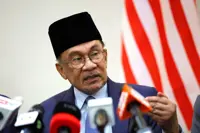
Economy Minister Akmal Nasrullah Mohd Nasir (pic) said the increase was a lagging effect of the global energy supply disruptions, which initially had a more noticeable impact on petrol prices in March.
“Now, we can see that the impact has spread to other energy sources, including natural gas and coal prices.
“Natural gas is one of the fuel used to generate electricity. Usually, when petrol prices increase, there is a lagging effect of about three to four months before natural gas prices are affected,” he told reporters after presenting a cheque worth RM169,000 for five health clinics at Kampung Melayu Majidee food court here yesterday.
Akmal Nasrullah said, however, that the majority of consumers using below 600kWh a month were not directly affected by changes in fuel costs under the current tariff mechanism.
“Under the current tariff, costs remain unchanged for consumers who use below 600kWh a month.
“The fluctuations affecting users who consume more than 600kWh are based on fuel costs under the Automated Fuel Adjustment (AFA), which reflects changes in fuel prices, with users consuming more than 600kWh a month now seeing the impact of the disruption to global energy supplies,” he said.
Akmal Nasrullah said recent weather conditions could also contribute to higher electricity consumption as people spent more time indoors.
“Although costs remain unchanged for consumers who use less than 600kWh a month, the amount they pay also depends on their level of electricity consumption.
“When the weather is unfavourable, we advise people to remain indoors or in safer places, but this could also lead to higher energy consumption,” he said.
On another matter, Akmal Nasrullah said the Economy Ministry had endorsed a proposal for a new health clinic in Kampung Melayu Majidee estimated to cost about RM80mil.
“The proposed location is on Health Ministry land, but we will have to wait for the budget to be tabled for the actual allocation,” he said, adding that the development of public facilities must keep pace with Johor’s economic growth, which saw an economic growth of 8% to RM170.9bil in 2025.