PETALING JAYA: The rise of artificial intelligence is making it increasingly difficult to distinguish genuine datukship recipients from scammers using fabricated images and documents to boost their credibility, experts say.
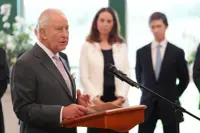
MCA Public Services and Complaints Department head Datuk Seri Michael Chong (pic), who is also an executive council member of the Majlis Datuk Persekutuan Malaysia (MDPM), said there have been instances where AI was used to create fake datukship-related photographs.
“You used to be able to spot the difference because the background would be affected and not perfect. Now it is more complete.”
Chong said earlier AI-generated images often contained obvious flaws, including distorted body parts and unrealistic features, but the technology has improved significantly.
However, he stressed that fake images alone would not be enough to bypass official verification processes.
“Even if someone can fake a watikah (appointment letter), organisations such as MDPM and the Council of Datuk-Datuk Malaysia can request supporting documents.
“That’s where they usually chicken out. When the truth comes out, they lose face and we will also lodge police reports,” he said.
Universiti Kebangsaan Malaysia media communications programme head Assoc Prof Dr Sabariah Mohamed Salleh said the use of fake credentials and images was not new, but AI had dramatically lowered barriers.
“Creating false documents to gain credibility is not new. It was done before through creative editing, which required certain skills. However, AI has made it so much easier.
“At JomCheck, we have conducted fact checks on scams using AI-generated images of Prof Dr Muhaya Mohamad, Zizan Razak and even the Yang di-Pertuan Agong.”
She said AI-generated content has become increasingly difficult to detect as technology advances.
“Today, users can simply instruct AI to make something look realistic and provide information that helps make it appear believable. That is worrying,” she said.
Rather than relying on visual clues, Sabariah urged the public to verify claims independently through official channels.
“Trying to gauge authenticity based on the picture alone may be challenging. Instead, search for the name online and verify it through official records.”
She also encouraged the public to use platforms such as Semak Mule to check whether bank accounts, phone numbers or companies have been linked to scams.
Universiti Sains Malaysia Cybersecurity Research Centre director Prof Dr Selvakumar Manickam said AI tools have made it possible for anyone to generate convincing fake images, certificates and online profiles within minutes.
“We are entering an era where ‘seeing is believing’ is no longer a safe assumption. Images must increasingly be treated as claims that require verification, not as proof in themselves,” he said.