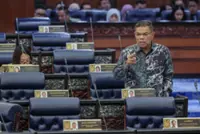
KUALA LUMPUR: The issuance of entry permits to foreign nationals does not affect the interests of Malaysians as approvals are granted only to qualified individuals who meet strict criteria under immigration laws, says Datuk Seri Saifuddin Nasution Ismail.
The Home Minister said entry permit approvals are guided by the Immigration Order 1963 Schedule for individuals possessing professional qualifications or specific expertise, provided that local talent and manpower are not adversely affected.
"So with their presence through the entry permit mechanism, their professional expertise provides added value and local talent can learn from their skills. Their entry does not undermine local talent, but at the same time contributes to the country's economic interests.
"Based on these guidelines, entry permits must comply with strict criteria that positively contribute to high-impact sectors in our country," he said during the Minister's Question Time session in the Dewan Rakyat Thursday (Feb 26).
He was responding to a supplementary question from Manndzri Nasib (BN-Tenggara) on the government's measures to align entry permit policies with the nation's strategic workforce needs, particularly in high-impact and critical sectors.
Responding to Manndzri's original question on the latest status of entry permit reforms, Saifuddin Nasution said 15,081 applications had been approved out of 19,205 backlog cases for the period from 2013 to 2023, while the remainder were rejected and may submit appeals.
He said 98% of 5,628 appeal cases from 2020 to 2024 had been resolved following instructions for all outstanding appeals to be decided this year.
Saifuddin said new reforms include shortening the marriage duration requirement for wives of Malaysian citizens from five years to three years before they may apply for entry permits.
On the digitalisation of the immigration system, he said the existing myIMMs system, used since 2013, is now considered outdated and will be replaced with the National Integrated Immigration System, which is being implemented in phases.
He said the new system will reduce manual processes and enhance transparency as well as the efficiency of immigration service delivery. - Bernama