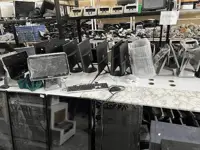
PETALING JAYA: Banning imports of electronic waste (e-waste) is an absolute necessity but must be complemented with strong enforcement measures to ensure effectiveness, say two non-governmental organisations.
Sahabat Alam Malaysia (SAM) and the Consumers' Association of Penang (CAP) said the ban was absolutely necessary to protect the environment and public health.
"Malaysia is not a dumping ground. Waste trafficking poses serious risks to our country.
"Waste smugglers have no qualms about breaking the law, bribing officials or looking into legal loopholes.
"Vigilance and strict enforcement are key to curbing smuggling," they said in a joint statement on Thursday (Jan 5).
Both groups also urged for a reassessment of the Guidelines for the Trans-boundary Movement of Used Electrical and Electronic Equipment (UEEE) in Malaysia, as some quarters might use it to mask e-waste.
These guidelines apply to the direct reuse, repair, and refurbishment of such materials.
Illegal waste shipments, they said, can further slip under the radar at ports through false declarations.
Both urged enhancements to Malaysia's e-waste collection process.
"Waste recycling factories must comply with the law. Local authorities too must be vigilant and take action against illegal factories and illegal dumping.
"Authorities must act on tip-offs and take proactive action to curb illegal operations," they said.
Malaysia, they said, must ensure enforcement comprises robust customs procedures, border controls, rigorous inspection, increased random and targeted inspections of shipments, among others.
Cracking down on corruption is also essential alongside imposing effective penalties for violations and ensuring swift and transparent prosecution of offenders.
"The penalties for waste smuggling must match the environmental harm and public health impacts," they said.
On Feb 4, Malaysian Anti-Corruption Commission chief commissioner Tan Sri Azam Baki said e-waste had been placed under the Absolute Prohibition category.
This follows the second meeting of the Special Task Force on the Direction of Enforcement Management for the Importation of Plastic Waste and E-Waste, aimed at tightening controls on the entry of hazardous waste and safeguarding the environment.
The Environment Department (DOE) was instructed to submit an application to the Customs Department to place e-waste under the Absolute Prohibition category pursuant to the Customs (Prohibition of Imports) Order 2023, he added.
Previously, e-waste was listed under Conditional Prohibition, where the DOE director-general had discretionary powers to grant exemptions subject to specific conditions. This provision was provided for under Section 34B of the Environmental Quality Act 1974.