
PETALING JAYA: For the past two years, publishing executive Mohd Amirul Aiman has no money in his wallet.
It is not that he is broke, but he does not use physical cash anymore.
“I have completely switched to using digital payments,” said Amirul, 37.
Friends who borrow money from him must also return the amount to his e-wallets.
Asked about 5sen coins, he said: “These coins are very antique!”
A traditional Chinese medicine shop proprietor, operating in Section 17 here for over 10 years, no longer uses 5sen coins as she has rounded up product prices.
ALSO READ:
However, there are traders who still prepare coins as low as 5sen for customers.
Another traditional Chinese medicine and spice seller at a morning market said she kept a small quantity of 5sen coins which often get used up within the first few hours of opening her shop for the day.
“We continue to accept physical cash because there are elderly customers who prefer making payment the old way,” said the trader who also accepts digital payments.
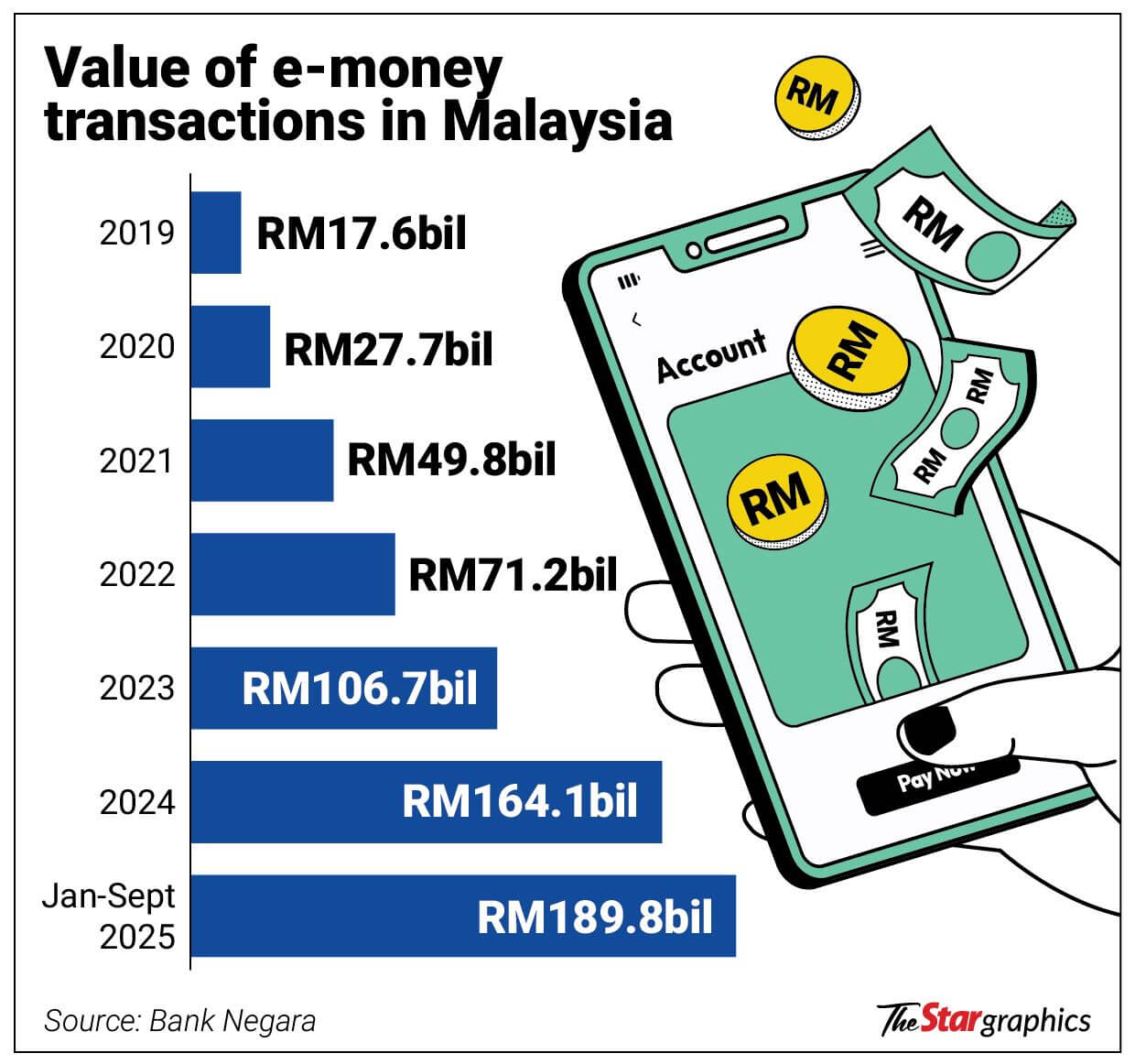
“If a product is RM1.99 then it would be rounded to the nearest decimal of RM2, as the 1sen is no longer in use,” she said.
Others interviewed agreed that “cash is king” because e-payment systems could be unreliable at times.
Retiree Ravindren Murthy, 61, said although he preferred making cashless payments, he still has cash with him as he had encountered system glitches at certain outlets.
“There were times when I wanted to pump petrol but the QR code or e-payment system at the kiosk had malfunctioned. When this happens, the cashier would only accept cash.
“Moreover, cash is necessary as the e-payment option remains unavailable at some shops or mini-markets,” he said.
However, Ravindren believes the digital payment mode is safer as there is little risk of overpaying by mistake.
He recalled losing RM10 in change as the colour of the RM20 and RM10 notes looked similar to him.
“I accidentally paid a seller with a RM20 banknote for a RM10 item,” he said.
Senior executive Anna Loh, 25, also prefers cashless transactions but still carries cash.
“There are stalls, especially ones operated by elderly traders, who do not support online payments. Due to this, I often end up looking for an ATM to withdraw cash.
“However, I do not carry many coins as most prices these days are at least RM1, which is easier to pay in notes,” she said.
Diana Francis, 32, an executive from Selangor, prefers not to use coins as she considers counting them a hassle.
Although she prefers e-payment, she lamented that it is not applicable to all situations.
“This is especially true when I want to top up my payment card for toll charges at petrol stations.
“The stations do not accept cashless payments for such top-up, only cash. I find this very inconvenient,” she said.
Being an active e-payment user, Diana said she would become anxious when e-payment transactions slowed down due to poor Internet connection and she did not have cash in her handbag.