



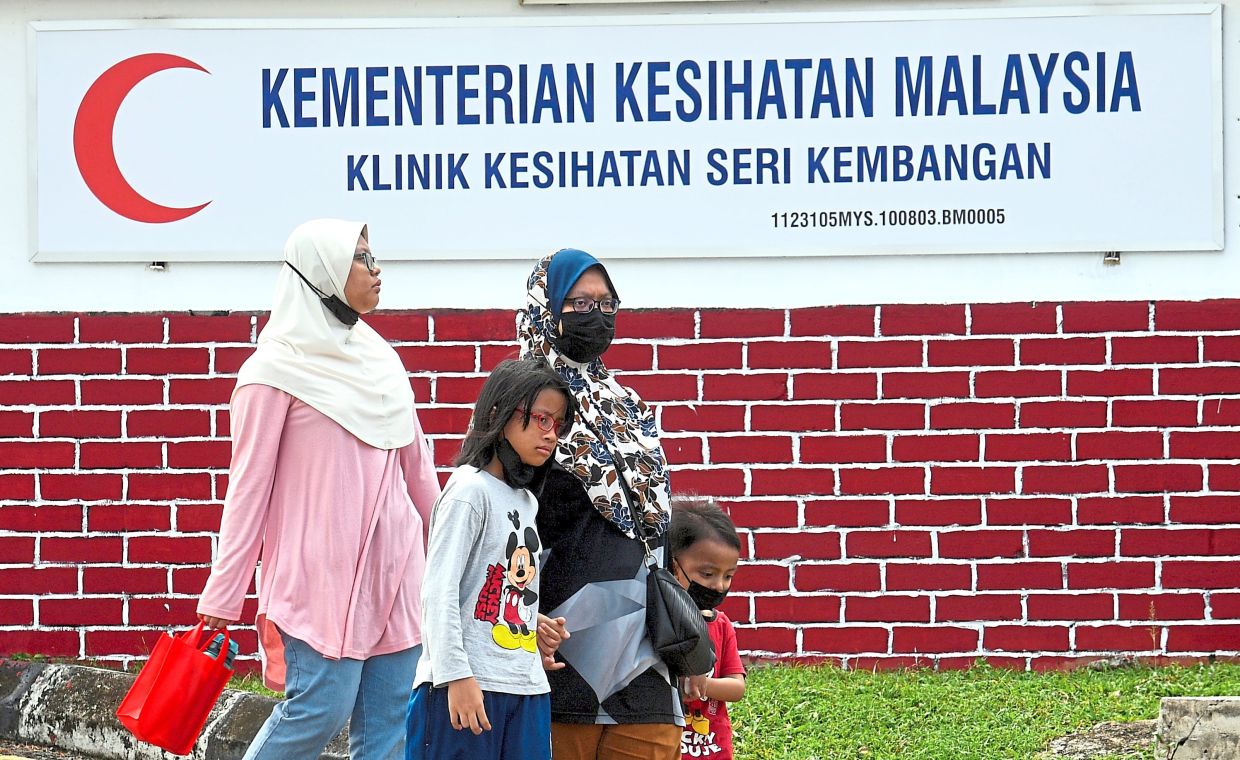
PUTRAJAYA: Health clinics (klinik kesihatan) functioning like cottage hospitals – this is the next big step of the Health Ministry which will take the huge load off government hospitals.
Under the plan, minor procedures will be carried out at health clinics without patients having to be referred to hospitals.
Inpatient beds will be supplied to health clinics, especially in remote areas, for the purpose.
Cottage hospitals, most commonly found in the United Kingdom, enable patients to be treated closer to their homes and reduce the need for referral to tertiary hospitals.
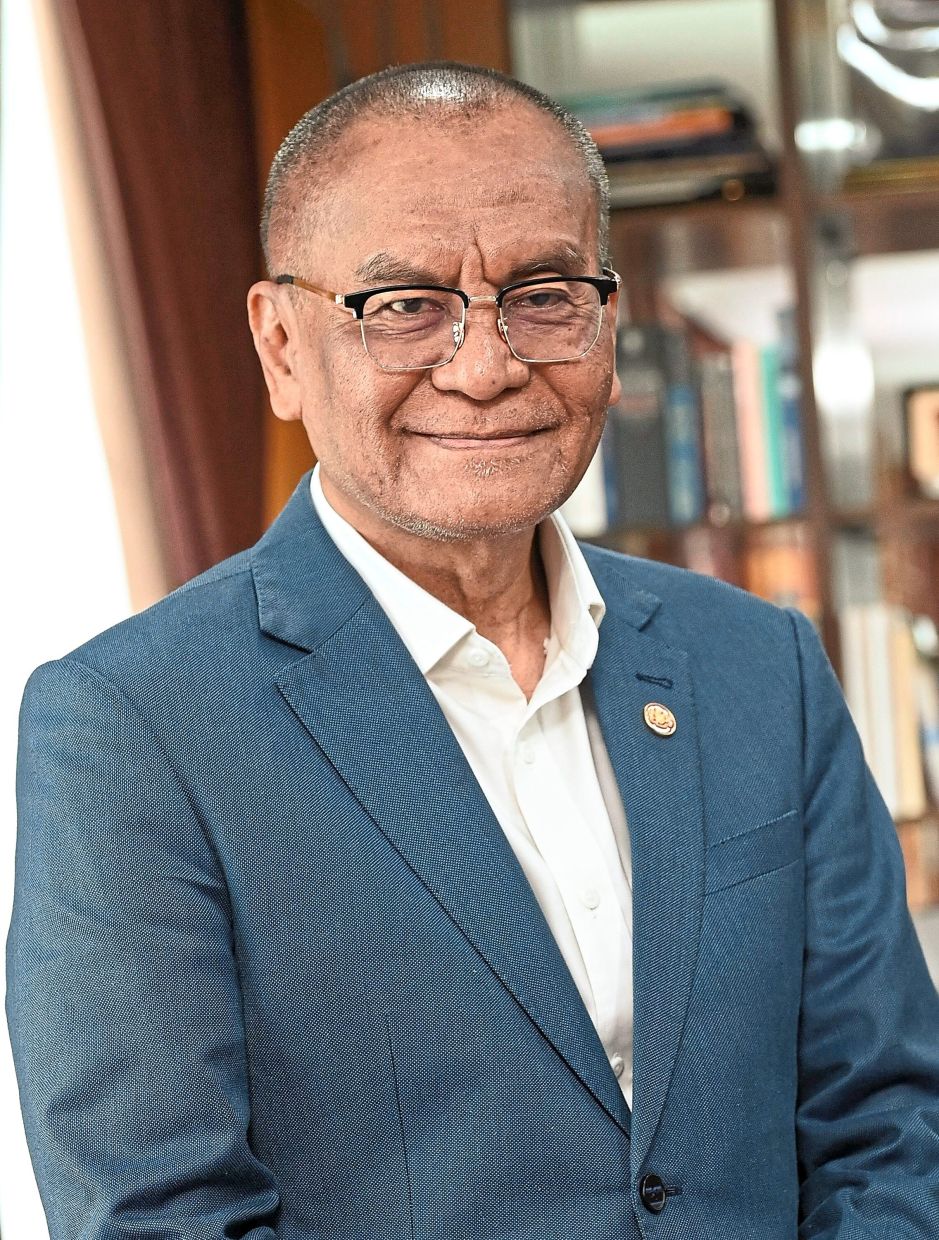
Health Minister Datuk Seri Dr Dzulkefly Ahmad (pic), who disclosed this, said the move would decongest government hospitals “bursting at the seams”.
“If properly managed and strategised, health clinics can take a load off our hospitals,” he said in an exclusive interview with The Star.
He said the ministry was also looking at placing family medicine specialists (FMS) at the health clinics.
Asked whether such services would be expanded to all health clinics, the minister said the matter was being studied.
“We are looking at it because it is a good model, especially in remote areas,” he added.
Dzulkefly said addressing congestion at public healthcare facilities was among his immediate priorities in his second stint as Health Minister.
“Patients want to see improvements at the point of care at the emergency unit and even in the clinics. So yes, addressing congestion and waiting time is very important,” he said.
ALSO READ: Experts back move to turn health clinics into cottage hospitals
According to the ministry, the cottage hospital model would also enhance both accessibility and equity in the provision of healthcare and specialist services across the country.
The ministry is also evaluating proposals under the Institutional Integrated Specialist Care in Primary Care Clinics initiative to strengthen primary care services, with early planning scheduled to commence in 2026.
Primary care clinics will be restructured into cluster-based networks, incorporating FMS, with the integration of the cottage hospital model to be explored especially in underserved, rural and geographically remote areas.
Such services will complement the continued strengthening of the national digital health infrastructure, including the expansion of virtual clinics to ensure the equitable delivery of specialist healthcare services nationwide.
For now, the scope of services is limited to non-complex care but may be expanded to include minor surgical procedures.
Dzulkefly said digitalisation would speed up the process of appointments at public healthcare facilities through the use of the MySejahtera app.
The Cloud-Based Clinical Management System has been rolled out at 168 health clinics, with the ministry aiming to reach 225 clinics by year-end.
“So, the wait time has been reduced from two hours to half an hour. Almost 70% of our klinik kesihatan are experiencing it and we will continue to improve it.
“But more importantly, it has given a visible improvement on wait time, especially in clinics, because of the use of MySejahtera.
“So, moving further on that is to tackle congestion in hospitals,” he said, adding that health clinics were able to provide faster treatment.
The minister acknowledged that the country underspent on healthcare for decades, with the ministry allocated RM45.3bil for 2025.
“I know that it is going to be another good increase (under Budget 2026). But that alone is also not sustainable ... not enough. We have been underspending for decades.
“We are playing catch-up to enhance our facilities, our dilapidated clinics and a lot of old hospitals that need additional blocks. Notwithstanding that, we are still on curative care and acute care,” he added.
