
Govt drops plan amid criticism, focuses on broader reforms
KUALA LUMPUR: With a revised sales tax framework – which will see luxury and discretionary items taxed at either 5% or 10% – Putrajaya has decided to do away with the planned high-value goods tax (HVGT).
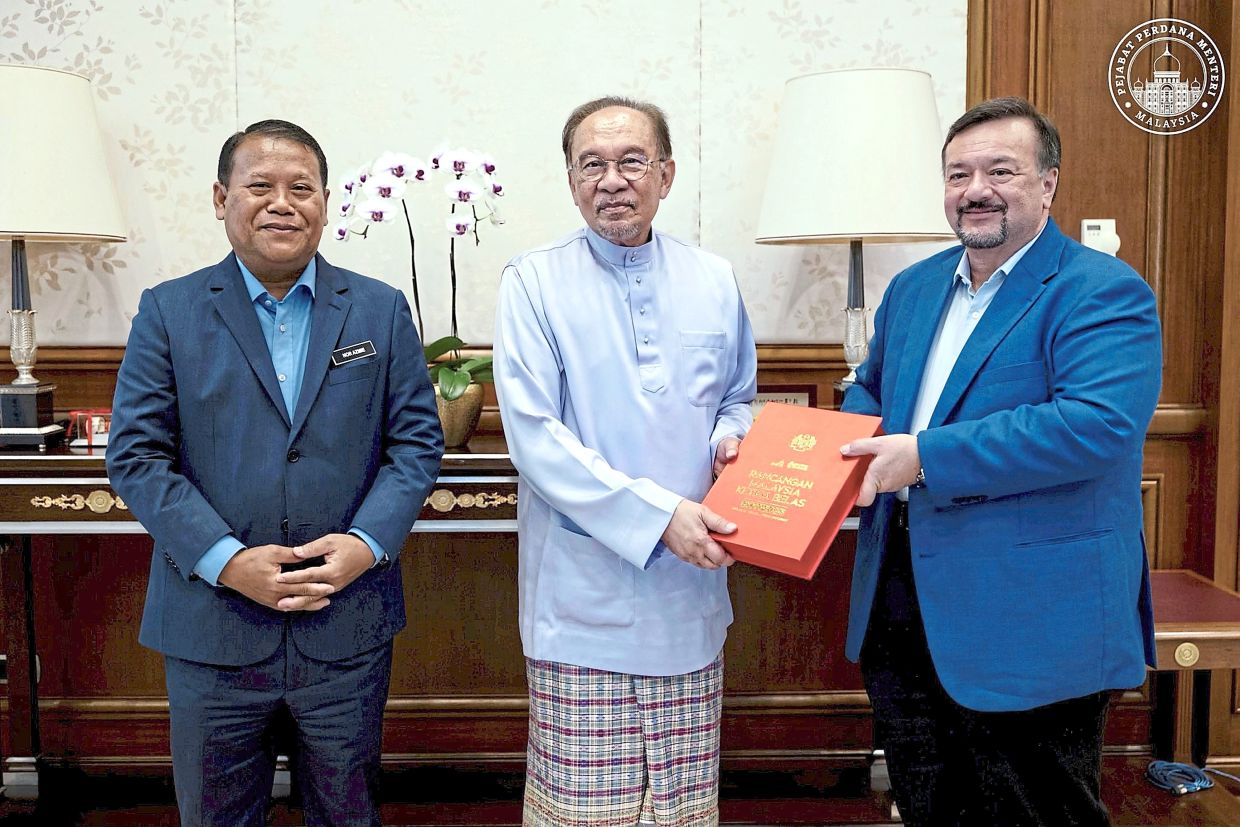
The announcement was made by Prime Minister Datuk Seri Anwar Ibrahim, who is also Finance Minister, in a parliamentary written reply that was released late on Tuesday night.
Anwar, responding to Datuk Shamshulkahar Mohd Deli (BN-Jempol) who had asked about the projected rise in national revenue due to the implementation of fiscal reforms, said the government has decided not to go ahead with the HVGT.
ALSO READ: Scrapping High-Value Goods Tax - the good and the bad
The HVGT had initially been scheduled to be implemented on May 1, 2024, but was delayed after public criticism.
Industry players and stakeholders had called for it to be scrapped and replaced with a more comprehensive tax system like the Goods and Services Tax (GST).
Last year, the Associated Chinese Chambers of Commerce and Industry of Malaysia said replacing the HVGT with the GST would establish a fairer system.
Those in the jewellery and luxury retail sector also said the tax could discourage high-value spending and deter foreign tourists who are in Malaysia for luxury shopping.
However, the low-value goods (LVG) tax, which was implemented from Jan 1, 2024, stays and it has brought in around RM500mil in revenue this year, said Anwar.
He said the government’s latest review of the sales tax rate and expansion of the service tax scope, from July 1, is expected to increase national revenue by RM5bil this year and double to RM10bil in 2026.
He said the ongoing diesel subsidy rationalisation has resulted in savings of up to RM600mil a month for the Federal Government.
Anwar said other fiscal reform measures have contributed significantly to strengthening national revenue, including the implementation of the Capital Gains Tax on unlisted shares, which took effect on March 1, 2024.
“Based on the current volume and value of transactions involving unlisted shares, the government estimates revenue collection at around RM800mil annually,” he added.
Anwar clarified that while a digital goods tax has not been introduced, a service tax on digital services has been in place since Jan 1, 2020.
This tax, levied on digital service providers offering or subscribing to services online or through other electronic networks, has generated RM1.6bil in revenue so far in 2024, he added.