FOR Sabahans working in Peninsular Malaysia, the things they miss the most from their home state is their local delicacy and the culture of the Land Below the Wind.
They say the most important elements that need to be introduced to the people in the peninsula is their food, the Sabah-Malay dialect, and Pesta Kaamatan (Harvest Festival).
They also speak proudly of the unity among people of all races with different religious backgrounds that exists in Sabah.
Hazel Annabelle Bainon said Sabah food such as Tuaran mee and hinava should be made widely known in Kuala Lumpur, alongside the Kaamatan festival.

“There are organisations that have Sabah and Sarawak events here, but they still cater to people from those states alone.
“We can have more events such as the Borneo Native Festival that was held in Kuala Lumpur’s Central Market, to teach those in the peninsula about the Bornean culture,” said the radio show producer who is of Kadazan-Murut-Chinese descent.
Bainon said that being a Malaysian, she could speak three languages and easily change her communication styles depending on who she was speaking to.
“I speak English, Bahasa Malaysia and Mandarin. And when I speak to Sabahans or KL-ites, I can easily switch to the Sabah or KL slang. It’s fun!” said the 30-year-old who came to Kuala Lumpur nearly 10 years ago for further studies. She stayed on for work.
Freelance talent manager Jasmine Rajah said besides the yummy indigenous food, the other thing that should be introduced to those in Peninsular Malaysia was the Sabah-Malay dialect.
“It’s very distinct from the dialects in the peninsula and is often confused with Bahasa Indonesia. But it definitely has a character of its own.
It’s fun and vibrant, a mix of old-school Bahasa Malaysia, local Sabahan words, Bahasa Indonesia and Melayu Brunei,” said the 33-year-old who is of Kadazan ethnicity.
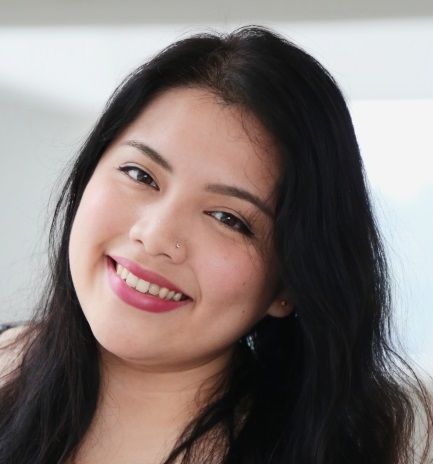
She feels particularly proud of being a Malaysian whenever she comes across heartwarming stories about Malaysians helping one another, or Malaysians speaking in languages other than their native tongue with fellow Malaysians.
“It’s something so small, but it’s stories like these that make my heart feel whole,” she said.
“Unity means being celebrated for our differences, or having people be curious about who you are and where you come from. I appreciate it when people ask me about my culture and heritage.
“I think leaders play a big role in fostering unity and better ties among Malaysians. We need more leaders instilling curiosity and appreciation for each other’s religion and traditions, instead of prejudice and fear,” said Jasmine.

Cassandra Jane Albanus who owns and is managing director of The Tattoo Parlor Malaysia, said nothing showcased “unity” more than Sabah’s Pesta Kaamatan in May.
“You have to experience it to believe it!” exclaimed the 37-year-old Sino Kadazan.
She is proud that as a Malaysian, she can mix different languages and slangs in a single sentence and still be understood by fellow Malaysians.
“It’s been scientifically proven that being multilingual makes you smarter!” said Albanus, who hails from Biau, Papar, but has been based in Petaling Jaya for better job opportunities.
“On a more serious note, being a Malaysian gives me a sense of belonging. I am deeply rooted in my land, culture, customs and people. Not many can say this about themselves.”
After working in Kuala Lumpur for four years, Mohd Hazli Ali Zapar said people in his hometown of Penampang, near Kota Kinabalu, appreciate human interactions and build meaningful relationships outside of work.
“However, I wish the work culture in Sabah can have some sense of urgency and be more efficient, which is more visible in KL,” said the fitness educator.
To him, unity means embracing diversity, celebrating similarities and coming together as one.
“It is a powerful force that fosters understanding, compassion and collaboration among individuals regardless of race, culture and religion.
“Through unity, we can overcome challenges, celebrate our shared humanity and create a home in Malaysia where everyone feels valued and supported,” said the 34-year-old who is of Brunei ethnicity, a minority race in Sabah.
“Having more platforms for open discussions where individuals can express their perspectives and concerns, while practising respectful conversations about sensitive issues to foster empathy and understanding, will help us all move toward a better future as a nation,” said Mohd Hazli.
Sylvian Shooi Yang Hwa said travelling and meeting people from all over the world made him grateful for being a Malaysian.
“Some Malaysians may complain about the queue in getting medical treatment, but Malaysia has one of the best healthcare systems and it is highly subsidised.
“We are also free from most major natural disasters due to our geographical location. These may be small matters, but they make a big difference,” said Shooi, who moved from Kota Kinabalu to Shah Alam due to his job as a digital marketing and IT executive.
For the 33-year-old, unity involves balance and harmony.
“Being in a multiracial nation, balance and harmony are not just synonyms, but also showcase our nation’s strength.
“This is also reflected in the idiom ‘Bersatu kita teguh, bercerai kita roboh’, which means ‘united we stand, divided we fall’,” he said.

Shooi, an ethnic Chinese, believes that education and experience are key to fostering unity among Malaysians.
“I am fortunate that my upbringing and education gave me the opportunity to mix with friends from diverse ethnicities and religions, and who speak different languages.
“Having cultural exchanges with international students and being involved in scout activities locally and internationally have had a huge impact and shaped me into who I am today,” he said.
Already a subscriber? Log in
Get 20% OFF The Star Digital Access
Cancel anytime. Ad-free. Unlimited access with perks.