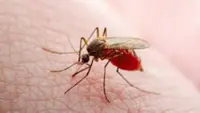
Health Ministry: Malaysia close to attaining WHO malaria-free status


PETALING JAYA: Malaysia has not recorded any domestic malaria (indigenous) cases since 2018, says the Health Ministry.

Health director-general Datuk Dr Noor Hisham Abdullah said that if Malaysia succeeded in maintaining this until 2021, Malaysia would be eligible to apply for malaria-free status certification from the World Health Organization (WHO).

An indigenous case is defined as acquired by mosquito transmission in an area where malaria is a regular occurrence.

More than 5,000 indigenous malaria cases were reported in the country in 2010, with this dropping gradually in the following years, and a drastic drop in 2015 to more than 200 cases.

Dr Noor Hisham, however, said that zoonotic malaria caused by monkeys and cases of imported malaria from abroad were still being reported in the country.

A zoonotic disease is one that has spread between animals and humans.

Dr Noor Hisham said 3,941 malaria cases from various sources were reported in 2019, out of which, 3,223 (81.8%) cases were zoonotic malaria, 620 (15.7%) cases were imported malaria cases and 98 (2.5%) cases were classified as others.

In the same year, a total of six deaths were reported, all of which involved zoonotic malaria infection from the Plasmodium Knowlesi species.

Dr Noor Hisham said that the Covid-19 pandemic had major implications on the public health system, including the control of infectious diseases, and the control of malaria was no exception.

"In addition to implementing Covid-19 infection prevention activities, there are critical actions for the prevention of other infectious diseases, including malaria.

"In this regard, the Health Ministry has taken the necessary steps to ensure that malaria control and prevention activities are not affected so that the zero local malaria infection (indigenous) achieved by Malaysia since 2018 will be sustained," he said in a statement to observe World Malaria Day, which is commemorated every year on April 25 to recognise global efforts in controlling the disease.

He added that Health Ministry had ensured that the supply of equipment for the diagnosis and treatment of malaria was not affected, while screening among risk groups was still ongoing.

Dr Noor Hisham said those living in remote areas need to take precautionary measures such as wearing protective clothing to prevent mosquito bites, using mosquito repellent and to avoid going outdoors at night.

He said that plantation companies should supply medicated mosquito nets and carrying out prevention activities such as the spraying of residual poisons.

He also advised those displaying symptoms of malaria such as fever, chills, sweating and weakness to seek immediate treatment.

According to the WHO, high-risk populations included labourers in agriculture, farming and forestry sectors and aboriginal groups in Sabah and Sarawak.

Get 20% OFF The Star Digital Access

Monthly Plan

RM 13.90/month

RM 11.12/month

Billed as RM 11.12 for the 1st month, RM 13.90 thereafter.

Best Value

Annual Plan

RM 12.33/month

RM 9.87/month

Billed as RM 118.40 for the 1st year, RM 148 thereafter.

Follow us on our official WhatsApp channel for breaking news alerts and key updates!

Next In Nation

PM Anwar urges Indian Muslim community to be driving force for positive change
Barisan sets up unit to monitor delivery of Negri manifesto
PM Anwar orders shortage of foreign workers at mamak restaurants be fixed in a month
Negri polls: Securing RM30bil in new investments over the next five years among BN's manifesto
Cops cripple firearms syndicate with arrest of eight, RM360,000 in weapons seized
RM600,000 allocated to Kg Ladang Subang, SJKT Bukit Darah under Madani Adopted Village, Adopted School initiatives
Police investigating teen's fatal fall at Komtar Skywalk
Govt allocates RM44.5mil for flood mitigation works in PJ, Damansara
Anwar: Former PKR members who won on reform agenda should not criticise party
End race-based politics and support leaders with integrity, says PM Anwar

Others Also Read