IN Colorado, mountain towns are wrapping up one of the worst ski seasons that anyone can remember.
But it’s not the slushy slopes that are on people’s minds right now.
It’s the risk of wildfires.
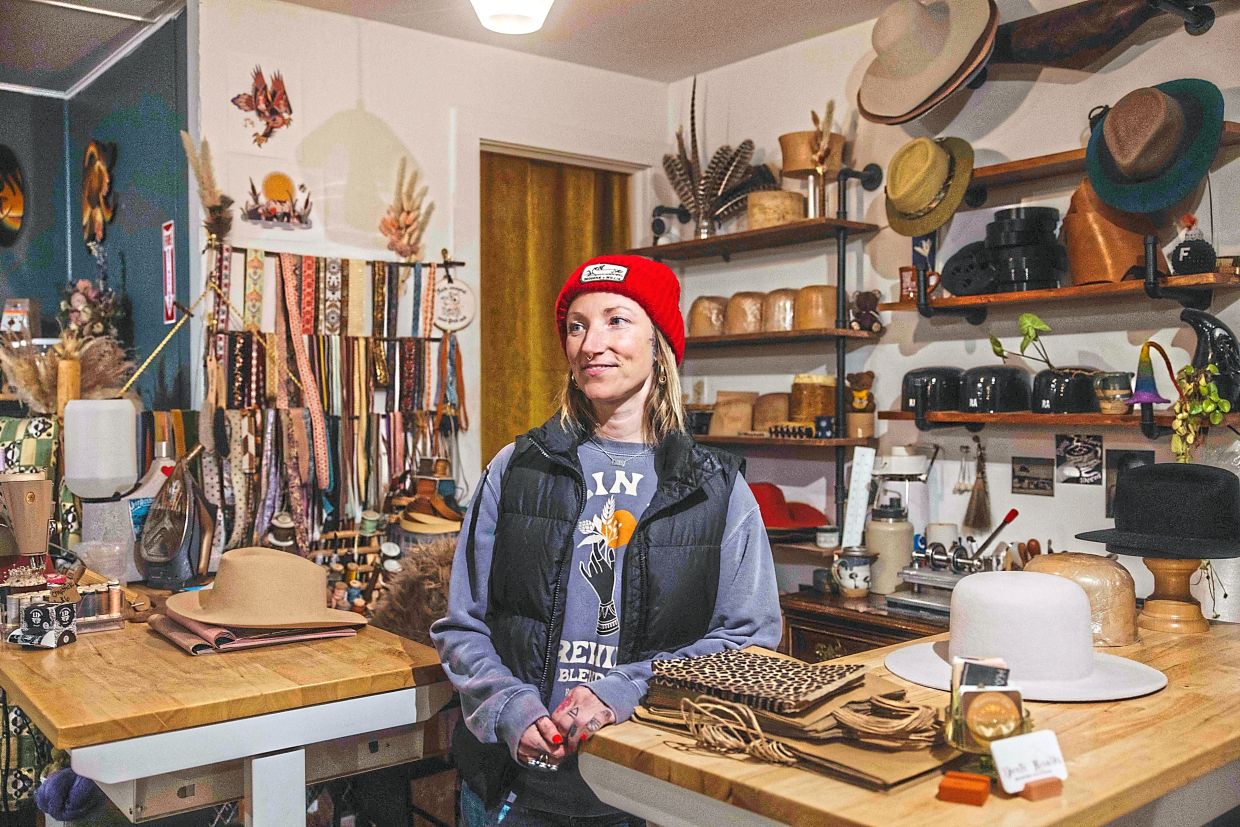
“Working at the bar, you talk to a lot of locals, and it’s on everybody’s mind,” said Melissa Nicholson, who owns a brewery and boutique in Rollinsville, about an hour outside Boulder.
“Fire is the No.1 concern for everyone right now.”
It’s not just ski country. Most of the American West is in the midst of a historic snow drought.
In Colorado, the snowpack is the lowest it has been in nearly 40 years, since record-keeping began.
With a heat dome over Western states, people are worried.
“Coloradoans and really anyone in the Rocky Mountain region should be bracing for an unusually early and potentially severe fire season,” said Tracy LeClair, a public information officer for the Colorado Division of Fire Prevention and Control.
Snow provides a steady source of soil moisture that helps to prevent vegetation from drying out and fuelling wildfires.
Jennifer Morse, a scientist at a nearby research station for the University of Colorado, studies snow and has lived in the nearby town of Nederland for 20 years.
It has been the worst snow year she has ever seen.
It’s not clear how climate change will affect Colorado yet, but warming temperatures are causing snow to decline across the American West, while also doubling the frequency and intensity of extreme wildfires worldwide.
The National Interagency Fire Centre forecasts wildfire risks in Colorado, New Mexico, Arizona and Utah will be above average by June.
Colorado Governor Jared Polis said recently that the state is putting nearly US$7mil into wildfire prevention grants.
Local utility companies are also taking action, moving recently to shut off the power during heavy winds to avoid the risk of fire sparked by downed power lines.
It’s a precaution that has been practiced for years in California, which has a history of such fires.
Gusts of up to 145kph were recorded in the foothills outside Boulder recently, and thousands of people lost power. Officials issued a “red flag” warning and prohibited campfires. A vast majority of wildfires are human-caused.
Low snowpack also affects water supplies.
Western states rely on snow for up to 80% of their water. The frozen mass builds up over the winter and acts like a natural water tower, melting into streams and reservoirs throughout warmer seasons.
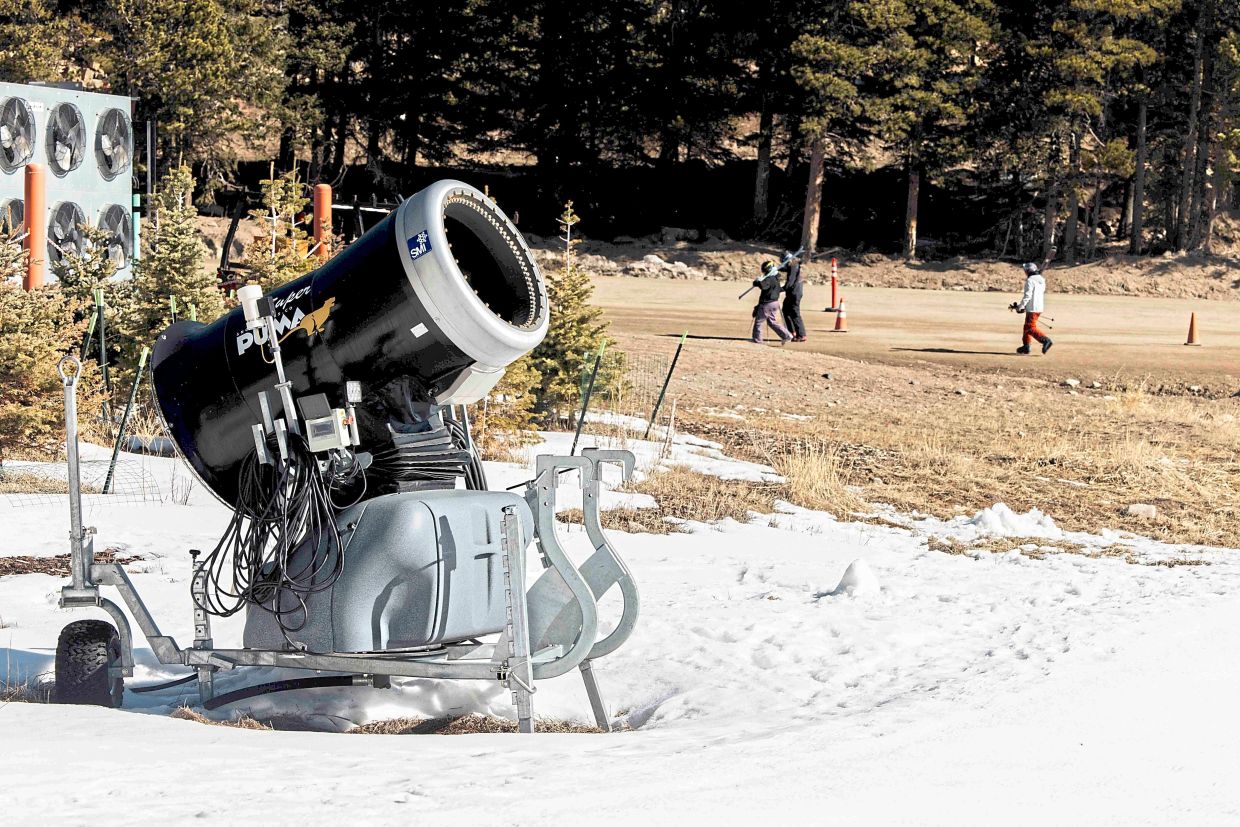
It’s worrying for municipal water supplies, private wells and ski resorts, which increasingly require water for artificial snow making.
The snow-making machines on Eldora Mountain, a ski resort near Nederland, could also be positioned towards buildings in case they need to be used to fight a fire.
These resorts can drive local economies. So much so that Nederland is in the process of buying Eldora Mountain.
Erik Maresjo, a part owner of Tin Shed Sports, a ski and bike rental shop in Nederland, said his business is losing money because of the lack of snow, but wildfires are his biggest concern.
“Bad business is one thing, but where we live is even more important,” he said. “I can always work somewhere else.”
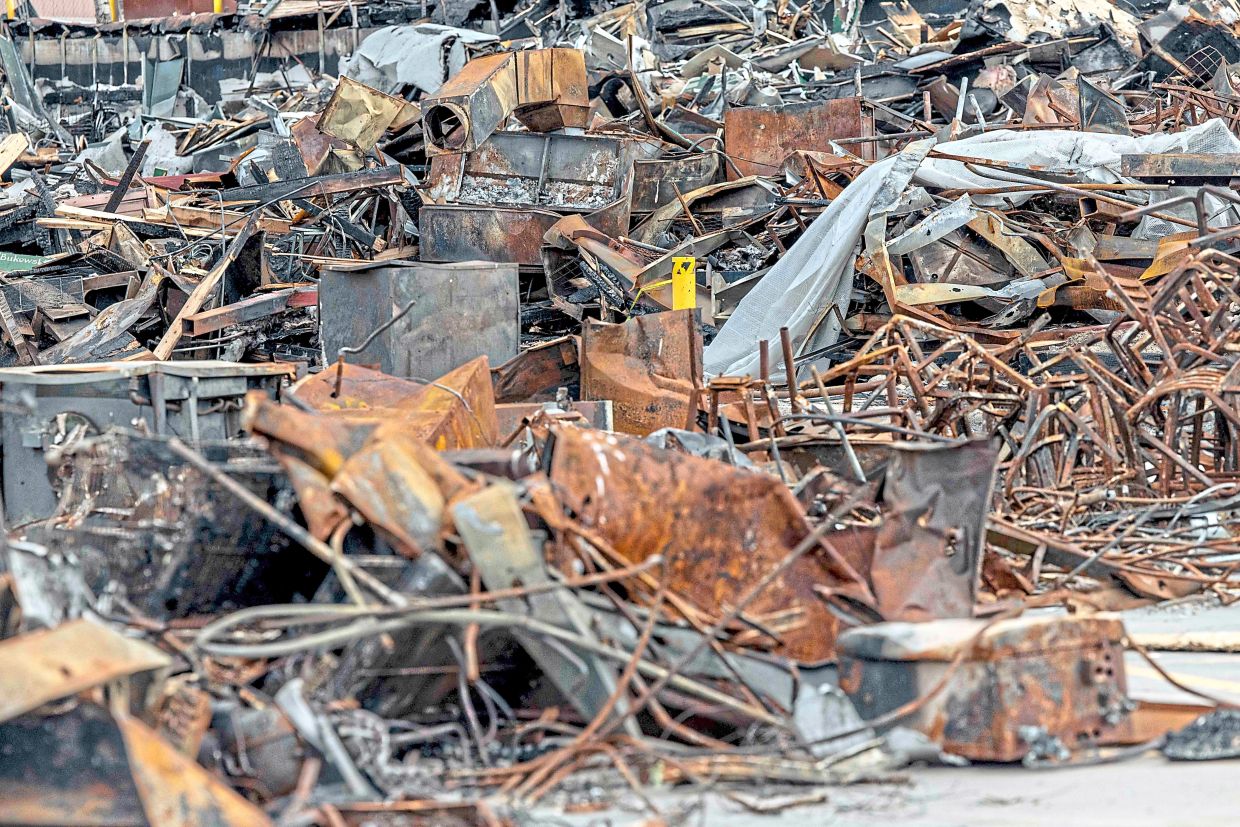
Last year, fire burned down a shopping complex at the town centre and showed locals how destructive fire can be, he said.
Ski towns are also in a zone experts call the “wildland urban interface”, where homes and communities start overlapping with wilderness.
Such areas are particularly vulnerable to wildfires, but are becoming increasingly populated.
Billy Giblin, the mayor of Nederland, said the town has begun fire prevention work like thinning trees, and expressed concern about areas with limited evacuation options.
Some locals, like Kayla Evans, have started taking precautions too.
She has spent three years thinning the forest on her family’s ranch and cutting in a fire break, or a vegetation-free boundary that can slow or stop a spreading fire.
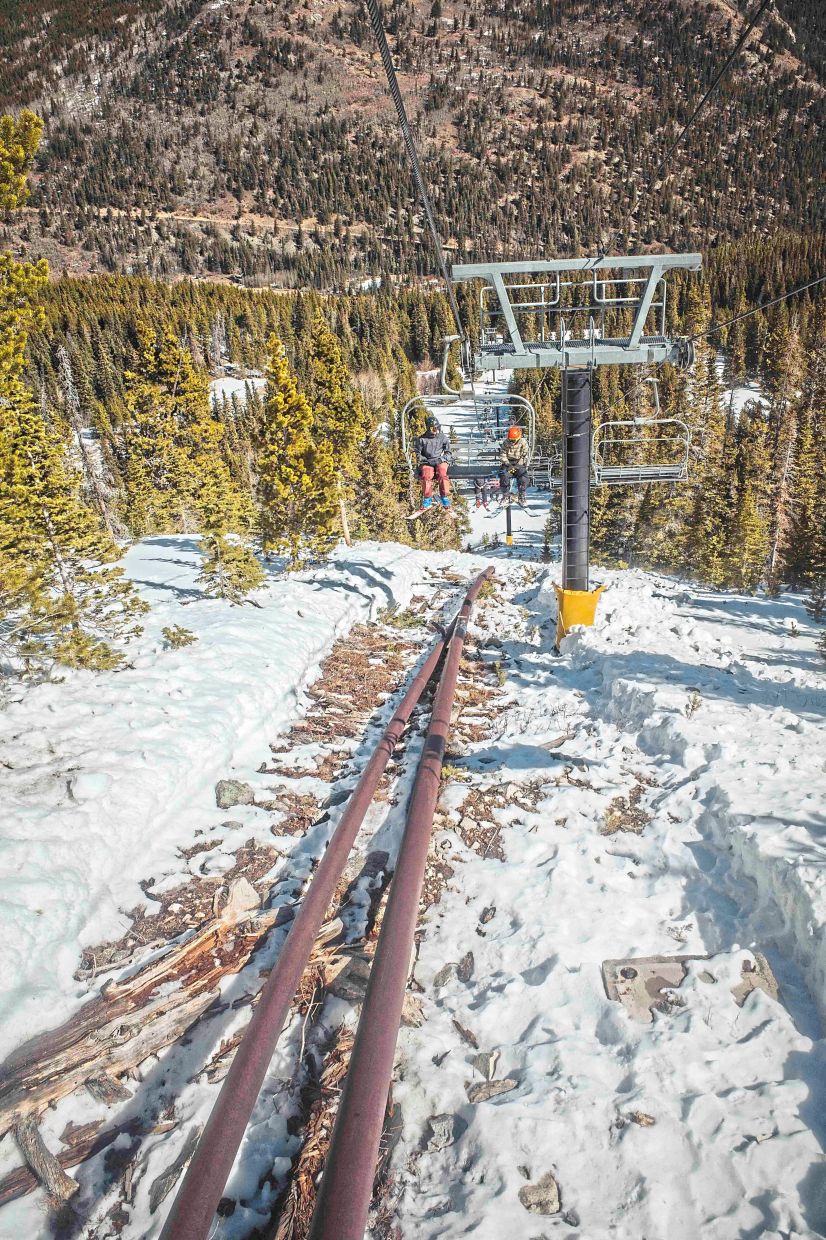
Selective thinning of trees can help snow stick to the ground and increase snowpack by up to 30% while reducing wildfire risk, a recent study from the University of Washington found.
Evans is worried about campfires set by summer visitors, who may ignore fire bans and be less mindful of the risks.
“I’m a little more careful because I live here,” she said. “Campers are not.”
Snow tends to peak in March and April, but catching up to a typical year is unlikely at this point, said Dan McEvoy, a climatologist at the Desert Research Institute and Western Regional Climate Centre.
In early March, the skies opened over Colorado and dumped more than 60cm of snow on Nederland, sending throngs of jubilant skiers to Eldora’s slopes. But by the end of the weekend, after temperatures reached highs of 18°C, much had melted.
The storm, McEvoy said, “was a drop in the bucket.” — ©2026 The New York Times Company
This article originally appeared in The New York Times