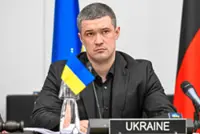
IT had the makings of one of the most awkward transatlantic meetings in years.
European leaders are privately angry – even panicky – over US President Donald Trump’s fresh threats to seize Greenland from Denmark, a Nato ally, after his military intervention in Venezuela.
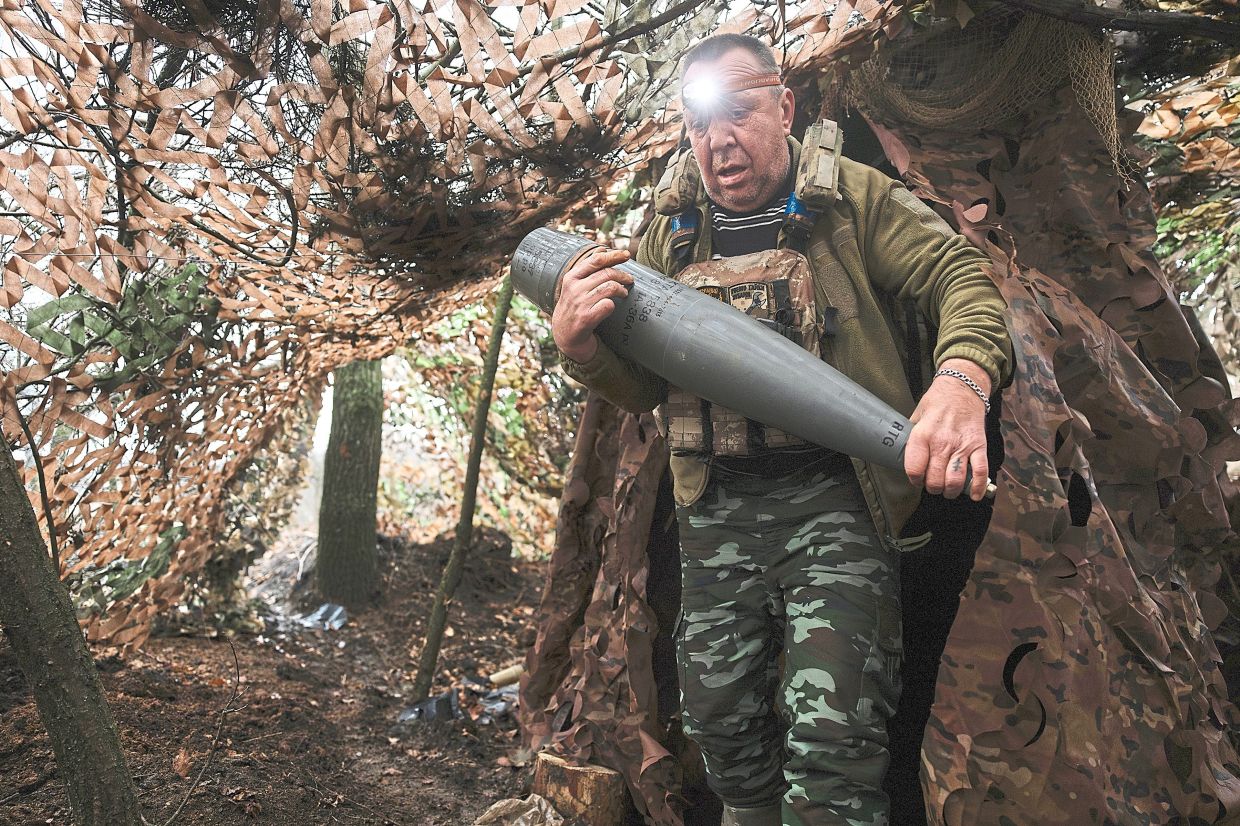
Yet, they also need the United States to guarantee credible security for post-war Ukraine against further Russian aggression, a strategic priority Europe cannot secure alone.
With that tension hanging over them, European leaders gathered in Paris with senior US negotiators recently to discuss security guarantees for Ukraine. They announced progress, but any ceasefire remains distant, with Russia excluded from the talks.
Only days earlier, some of the same countries had issued a joint statement backing Denmark, calling for collective Nato security in the Arctic – including the United States – and carefully avoiding any direct criticism of Washington.
The talks followed the same script: unity on the surface, anxiety underneath, all aimed at keeping the Trump administration engaged on Ukraine.
Yet, hovering over everything is Trump’s sudden return to an openly imperial mode of foreign policy.
Many Europeans see the US intervention in Venezuela as a clear breach of international law. They worry about a president emboldened by military action – one he likened to watching a television show – and increasingly enthralled by the spectacle of power.
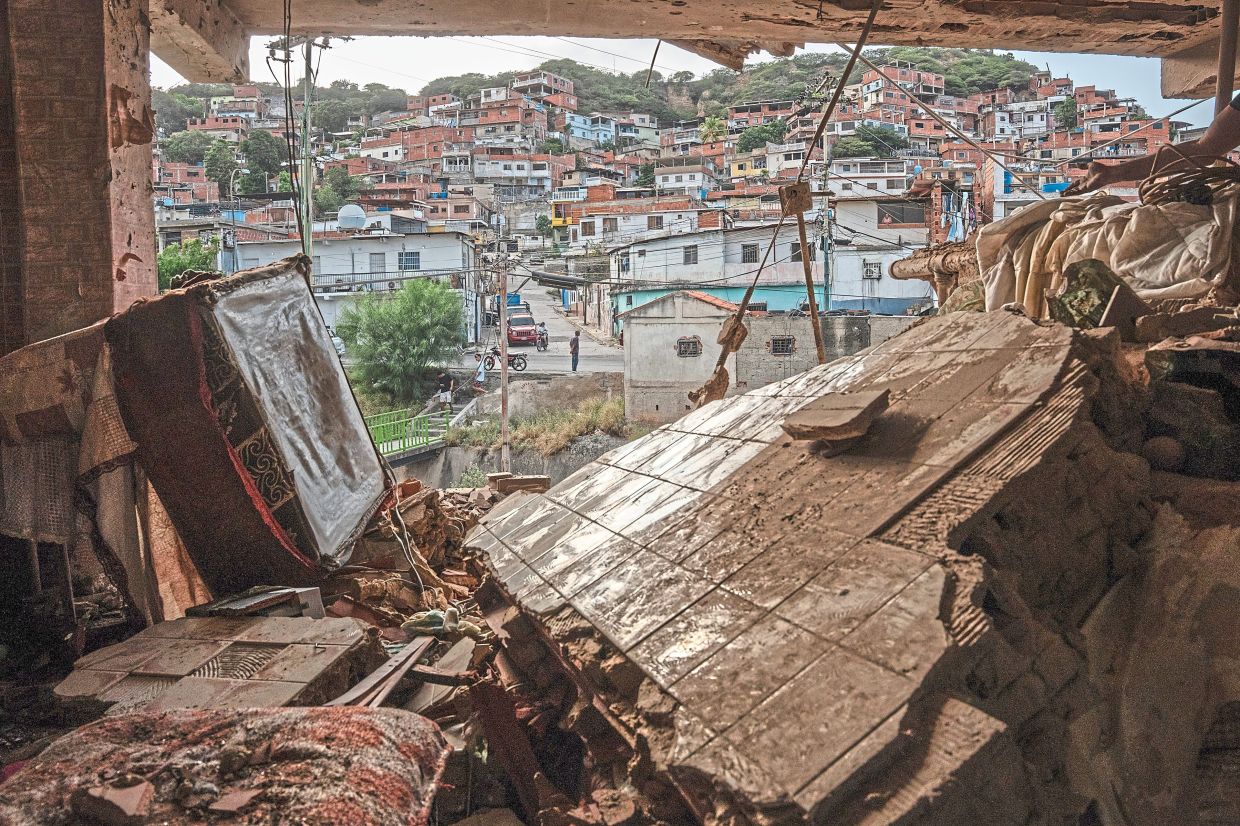
Trump appears unpredictable and disruptive, capable of upending Nato, destabilising Ukraine, inflaming Iran or Gaza and lurching from one geopolitical prize to the next.
Asked after the Paris meeting about Greenland and Venezuela, French President Emmanuel Macron refused to engage, calling them “not really connected with today’s matters”.
Later, he insisted on French television that he could not imagine a scenario in which the United States would violate Danish sovereignty.
That restraint has become Europe’s dominant posture. Leaders speak softly, issue vague collective statements and avoid any direct rebuke of their most important – and now most destabilising – ally.
“There is a massive gap between public and private reactions from European leaders,” said Mark Leonard, director of the European Council on Foreign Relations. “Privately, they are panicking about what happens next, especially on Greenland and what they might do about it.”
Publicly, he said, Europe is desperate not to criticise Trump or invoke international law at a moment of “maximum peril” for Ukraine.
“They want to use the influence they have for Ukraine,” Leonard said.
Denmark has been the exception. Prime Minister Mette Frederiksen has bluntly warned Washington to back off, saying any move on Greenland would effectively end Nato.
“If the United States were to choose to attack another Nato country, then everything would come to an end,” she told Danish television – including the security architecture that has underpinned Europe since the Second World War.
Even so, many in Denmark believe Trump’s pressure is mainly a negotiating tactic. Few expect him to use force against a Nato ally that is open to enhanced US security cooperation and business ties.
“US-Venezuelan relations have been horrible for decades,” said Mikkel Runge Olesen of the Danish Institute for International Studies. “It’s a completely different ballgame to invade a Nato ally” with unpredictable and potentially huge costs.
Pressure from Washington will continue, he said, but “I just don’t see military invasion as the most likely tool”.
Still, certainty is in short supply. Trump recently told reporters – apparently joking – that the Greenland issue would be resolved soon, fuelling further unease.
The European Union has struggled to present a united response.
On Venezuela, it has called for monitoring and a democratic transition.
On Greenland, it has reiterated support for Danish sovereignty and the principle that any change must be decided by the island’s people. It has threatened no consequences if Washington acts.
A year into Trump’s second term, confusion reigns over where US foreign policy is heading. That uncertainty may itself be deliberate.
There does appear to be a deeper organising principle, argued Nathalie Tocci, director of Italy’s Institute of International Affairs.
“US foreign policy now is imperial, and consistently imperial,” she said. Trump, she argued, accepts the idea of empire itself – not just for America, but for other great powers too.
Some Europeans are urging pushback.
Bruno Macaes, a former Portuguese minister, has called for preparing countermeasures if Trump moves on Greenland – from sanctions on US companies to expelling American troops and restricting US travel.
Amanda Sloat, a former US national security official, noted that Trump initially framed Venezuela around drugs, but now focuses openly on seizing its oil industry.
Greenland, she said, follows a similar pattern.
Trump talks about security – something Danes and Greenlanders broadly accept – and would likely welcome an increased American presence.
The question is whether the real aim is rare minerals, raw profit or a broader assertion of US regional dominance. — ©2026 The New York Times Company
This article originally appeared in The New York Times.