



ABDULHAMID Mohammed fled his home in northeast Nigeria in 2015, chased into neighbouring Chad by militants who torched homes and shot civilians in his lakeside village.
A decade later, little has changed in the fishing community of Doron Baga – though that didn’t stop the government from trying to send him back there earlier this year.
As rebel violence has ticked down from its peak a decade ago, Nigeria has closed down most displacement camps on its own soil and repatriated refugees living abroad in an effort to repopulate the countryside and restore “dignity” for people driven from their homes.
A deal struck in February between Nigeria, Chad and the UN refugee agency UNHCR saw nearly 8,000 refugees return to Nigeria voluntarily.
But many like Mohammed are considering returning to life as a refugee.
The 40-year-old fisherman came home only to find parts of Lake Chad were still under rebel control.
“You can’t go there,” he said in Maiduguri, the Borno state capital, where he is now living. “I have the intention to go back to Chad, because in Chad... I can continue catching fish.”
In May, an attack on a village just 10km from Doron Baga left 17 farmers and fishermen dead.
“There’s nothing left in my hometown,” said Mohammed Abubakar, 46, another ex-refugee from Doron Baga.
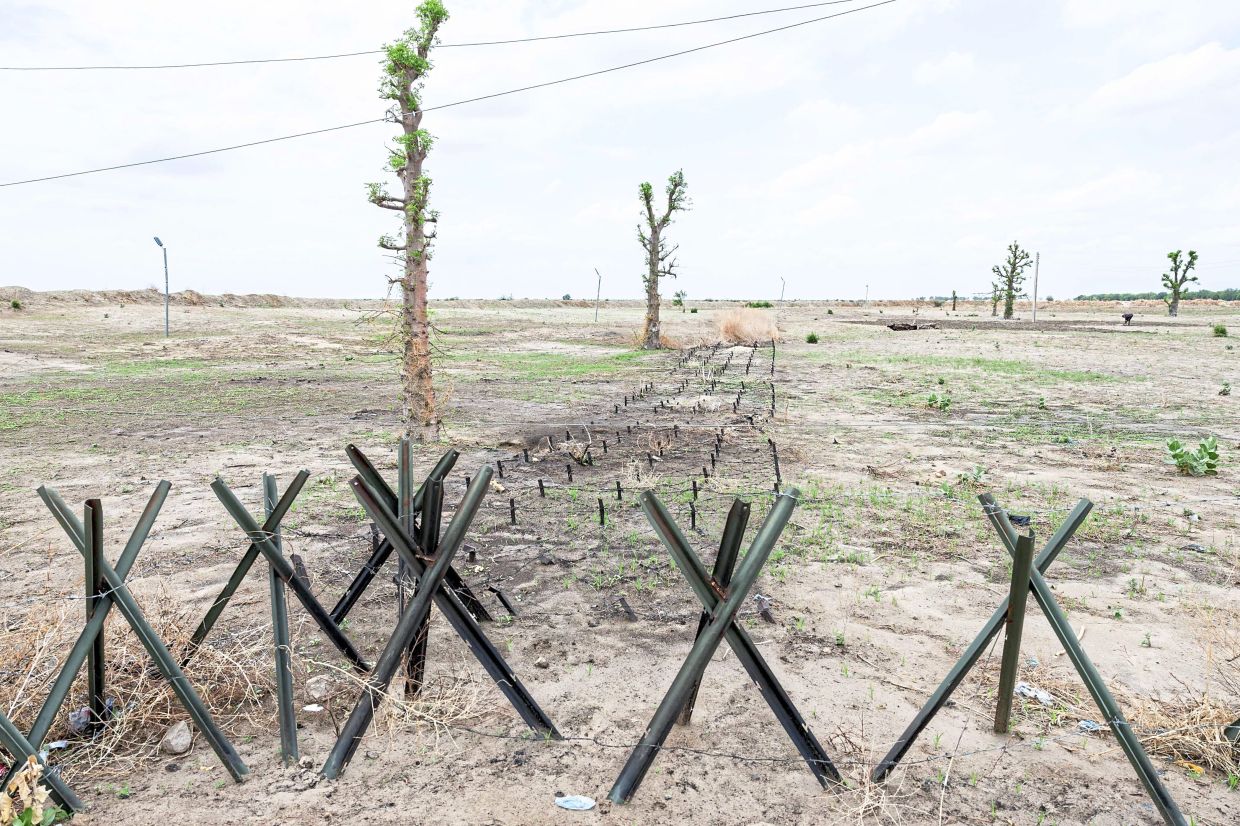
Nigeria has been fighting a rebel insurgency since Boko Haram’s uprising in 2009, in a conflict that has spread across borders and birthed deadly splinter groups like the rival Islamic State West Africa province.
Suicide bombings and gun fights no longer rock the Borno state capital Maiduguri, where markets now throng and restaurants stay open late.
But while the city has found safety, it lacks jobs: Abubakar strings together piecemeal work as a day labourer, but he said he’s also considering trying his luck in Chad.
Both men described similar situations: being promised a better life in Nigeria, waiting in a camp for displaced people once they crossed over from Chad, then arriving in their largely deserted village, still on the front lines of war.
People have been returning to Malam Fatori, a once-thriving border town a stone’s throw away from Niger, since 2022, when the government organised a return of refugees.
But years of insecurity have wiped out the town’s economy. The Nigerian army sometimes closes the border crossing to Niger.
Many of the returned farmers lack start-up capital, leading to food shortages, residents say.
Fishermen and traders who venture into the bush, meanwhile, must pay off militants at makeshift checkpoints.
Civilians describe living in fear, worried that fighting could flare up between the rebels and the nearby military base.
“We were happy to come back to our ancestral home,” said Falmata Mohammed, 35, a mother of four and former internally displaced person (IDP).
But she and her fellow returnees “have no money to buy food... sometimes we sleep hungry”.
Others have paid with their lives: in September, a rebel attack on the recently repopulated town of Darul Jamal left scores dead.
Babagana Zulum, governor of Borno – the epicentre of the Boko Haram conflict – earlier this year warned that security forces were “losing ground” to militants.
But he has kept steady the government’s policy of shutting down IDP camps.
The government has described them as crowded, costly and unsustainable, especially as international funding has withered in recent years.
“We are not denying that insecurity still persists in some areas. The fact remains that Borno state remains largely peaceful,” Dauda Iliya, a spokesman for Zulum, said in a statement, noting that more than one million people have been resettled under his administration.
But some returnees have already returned to life as a refugee.
“The money finished quickly. There was no work. No lake. No way to survive,” Mala Abdallah, 55, said of his return to Nigeria.
Living in Chad the first time, he had been able to sell firewood as a small-time trade. It wasn’t easy work, but it paid the bills.
Just months after returning to Nigeria, Abdallah made the painful decision to leave again, this time not to escape violence, but poverty.
“In Chad, at least I can eat,” he said, speaking on the phone from Chad. — AFP
