Selva (left) with United Nations secretary general Kofi Annan during the APEC Summit in Malaysia in 1998. — Photos courtesy of Dr Selva Ramachandran
WHAT began as a career in academics took a life-changing turn for Dr Selva Ramachandran when he decided to serve on the global stage as a diplomat for 30 years.
The journey took the 63-year-old across 106 countries, including some of the world’s conflict zones under the United Nations Development Programme (UNDP).
With a deep commitment to improving lives, Selva has spent decades developing and implementing policies aimed at helping vulnerable communities in developing nations.
Navigating vastly different societies and political landscapes has shaped his understanding of humanity and resilience, he tells the Sunday Star.
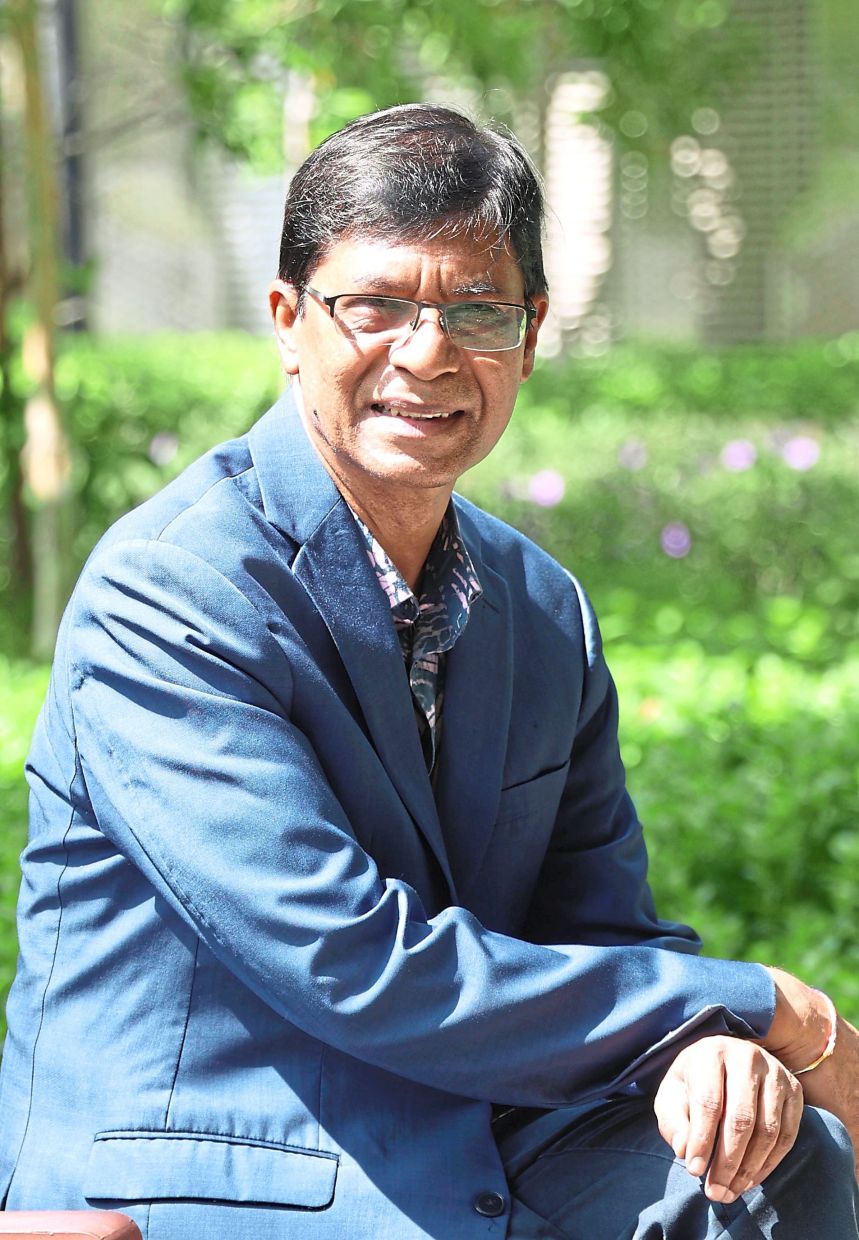 Selva: Good governance is key in shaping policies for humanity. — ART CHEN/The Star
His global advocacy in UNDP centred on three pillars: gender equality, climate change and good governance.
“I have looked into gender equality so much as I was travelling to many countries and realised that it’s a core part of every UNDP programme, not an afterthought,” he says.
“Its such a crucial point to study because of how I was raised by my single mother and how she fought through for the family.”
Climate change is also a major concern, he adds: “This is because our planet is getting hotter by the day and good governance is key to developing good policies.”
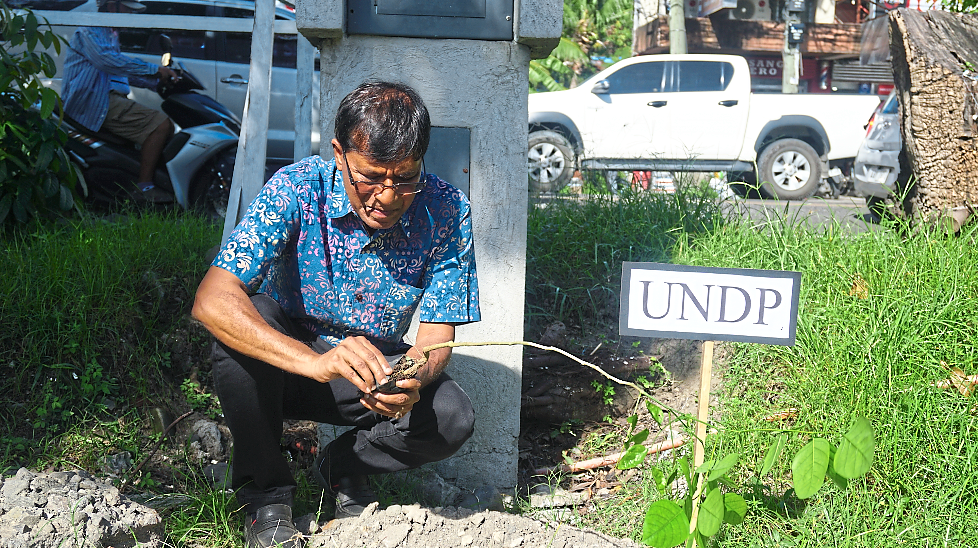 Selva during a tree planting initiative in Negros Island, the Philippines, earlier this year.
One of his favourite postings is Sudan where he was stationed for five years as a resident representative of UNDP, focusing on helping communities recover from conflict, tackling poverty, supporting livelihoods and guiding former fighters back into civilian life.
“Agriculture is crucial in Sudan and farmers there often face fuel shortages. My team helped them with switching to solar energy, which helped reduce adverse effects on climate and improve productivity and lives.
“We also did capacity-building [training and support] for natural resource management, because there were big problems managing land, water, and resources,” he says, sharing that he was also present during the period of unrest in the country.
“When the political chaos happened, we got involved in political dialogue, working behind the scenes to support talks and peace efforts,” he says, adding that he hopes the country will eventually stabilise as people are still suffering.
“In conflict-affected areas, we supported small livelihood programmes from other organisations like bread-making and cheese-making, which were sources of lifelines for the people,” he says.
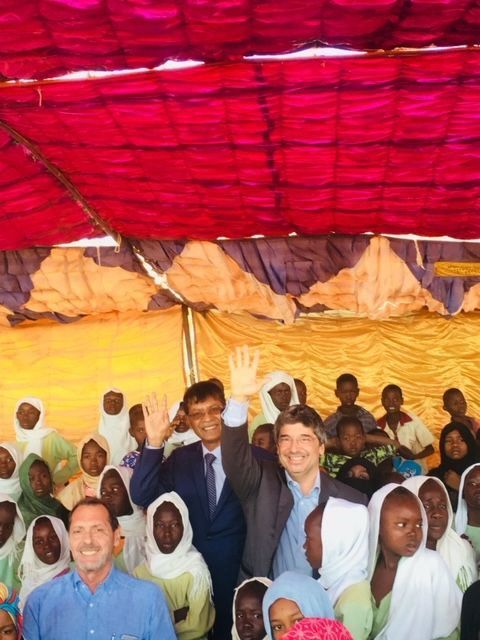 Selva (centre, in suit) during a rural community development event in Sudan in November 2018. He says his experience in the African nation is his most fulfilling at the UNDP.
Policies should be developed not only at a political level but community level as well, he points out.
“Ignoring the community level and only coming up with high level political solutions won’t allow long-term stabilisation in the country,” Selva says, adding that community solutions were his greatest satisfaction while working there.
But all this passionate work came at a personal cost, demanding sacrifices that were often felt most deeply at home, he concedes.
“There are always sacrifices needed being in this job, like not being with my family all the time, but I chose this.
“But wherever I go, I remember there is good karma. Because I was working for the good of humanity when I was in those countries,” he reflects quietly.
“They are not my family nor my relatives, but I still made sacrifices here and there and found my flexibility in this, which is the most important part.”
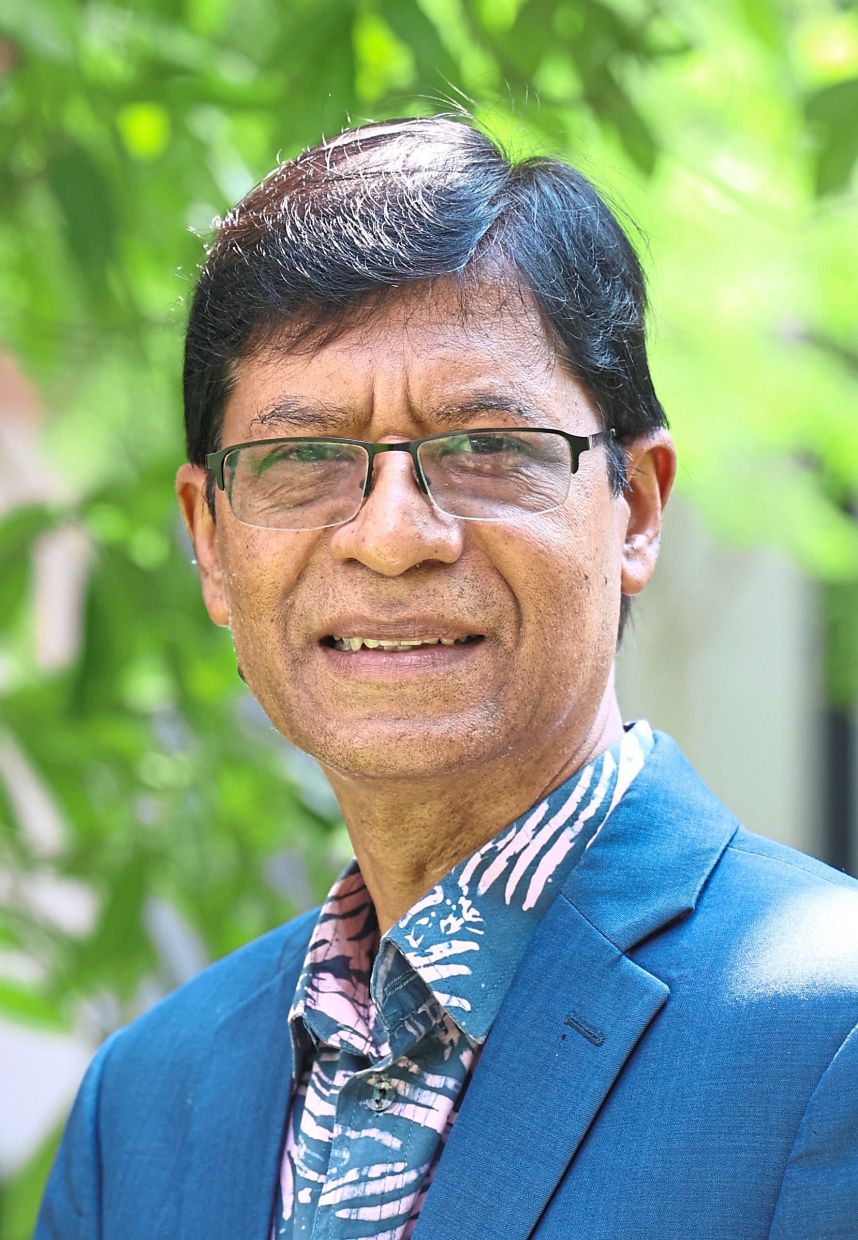 Selva: Wherever I go, I remember there is good karma.— ART CHEN/The Star
In most countries, he notes, acknowledgement and acceptance came only towards the end.
“When I went to Kazakhstan as a deputy resident representative, I was not very welcomed but after knowing the development policies I assisted with, the community began to respect me,” he says.
Most importantly for him, he always stuck to his beliefs: “I have my own principles and I always seek ethical rules,” he says.
“In Yemen, for example, they all chew khat which is a socialising drug, but I didn’t do it. But I found other ways to mingle with everyone, especially through my work there.”
While staying true to his values, Selva says he always tried to make sure that those around him had what they needed to live with dignity despite all the challenges they faced.