

An M23 rebel walking on the outskirts of Matanda which is controlled by M23 rebels, in eastern Democratic Republic of Congo. — Reuters
CONGO’s army and Rwandan-backed rebels are reinforcing positions and accusing each other of breaking ceasefires, in a dangerous escalation that risks reigniting regional war.
The M23 rebels seized two major cities in eastern Democratic Republic of Congo (DRC) in January and February, mounting the biggest threat to Kinshasa in two decades.
Their advance sparked fears of a wider conflict as neighbouring armies lined up behind rival sides.
Subsequent peace talks, led by US and Qatari mediators, have faltered.
Analysts say efforts were rushed, with mediators leaning on past agreements before building trust.
The rebels demand prisoner releases and a power-sharing deal in territories under their control. President Felix Tshisekedi’s government refuses to concede either.
“Broken promises, fragile implementation and deep mistrust are holding back any progress,” said Kristof Titeca, a Congo specialist at the University of Antwerp. “All this creates what looks like a never- ending vicious circle.”
Fragile peace efforts
In June, the US brokered a deal between Congo and Rwanda aimed at halting Kigali’s support for the rebels – support both Washington and UN experts say is ongoing.
A parallel Qatari-led effort to seal terms between Kinshasa and M23 missed an August deadline. Neither the Qatari government nor the US State Department responded to requests for comment.
Meanwhile, both sides are deploying hundreds of fighters to flashpoint towns in eastern provinces bordering Rwanda and Burundi.
The UN and rights groups have documented hundreds of summary killings, torture and rape committed by both government and rebels since preliminary accords were signed.
Thousands were killed in the January rebel advance.
The UN estimates 7.8 million people have been displaced.
M23 now fields at least 14,000 fighters, including 9,000 newly-trained recruits, according to UN and diplomatic sources.
Mineral wealth and proxy war
The conflict has roots in Rwanda’s 1994 genocide, which killed some one million Tutsis and moderate Hutus.
Remnants of the defeated Hutu militia fled into Congo, later forming the FDLR, which has terrorised civilians and periodically allied with Kinshasa.
M23, emerging in 2012 to defend Congo’s Tutsis, is the latest in a string of uprisings.
Rwanda denies backing the group but insists it must protect itself from the FDLR. Kinshasa accuses Kigali of using M23 as a proxy to loot Congo’s vast mineral wealth.
UN experts have tracked large flows of gold and coltan through Rwanda.
“Rwanda only caved to Washington’s pressure to strike a deal because it knew there was a loophole – M23,” said Jason Stearns, a former UN investigator, now at Simon Fraser University. “Rwanda can always say it doesn’t control the M23.”
Kigali has dismissed UN reports as misrepresenting its security concerns.
US President Donald Trump has said US firms are ready to invest billions in Congo’s minerals if peace holds. But the instability keeps mines and trade routes contested. M23 now dominates supply chains in the east.
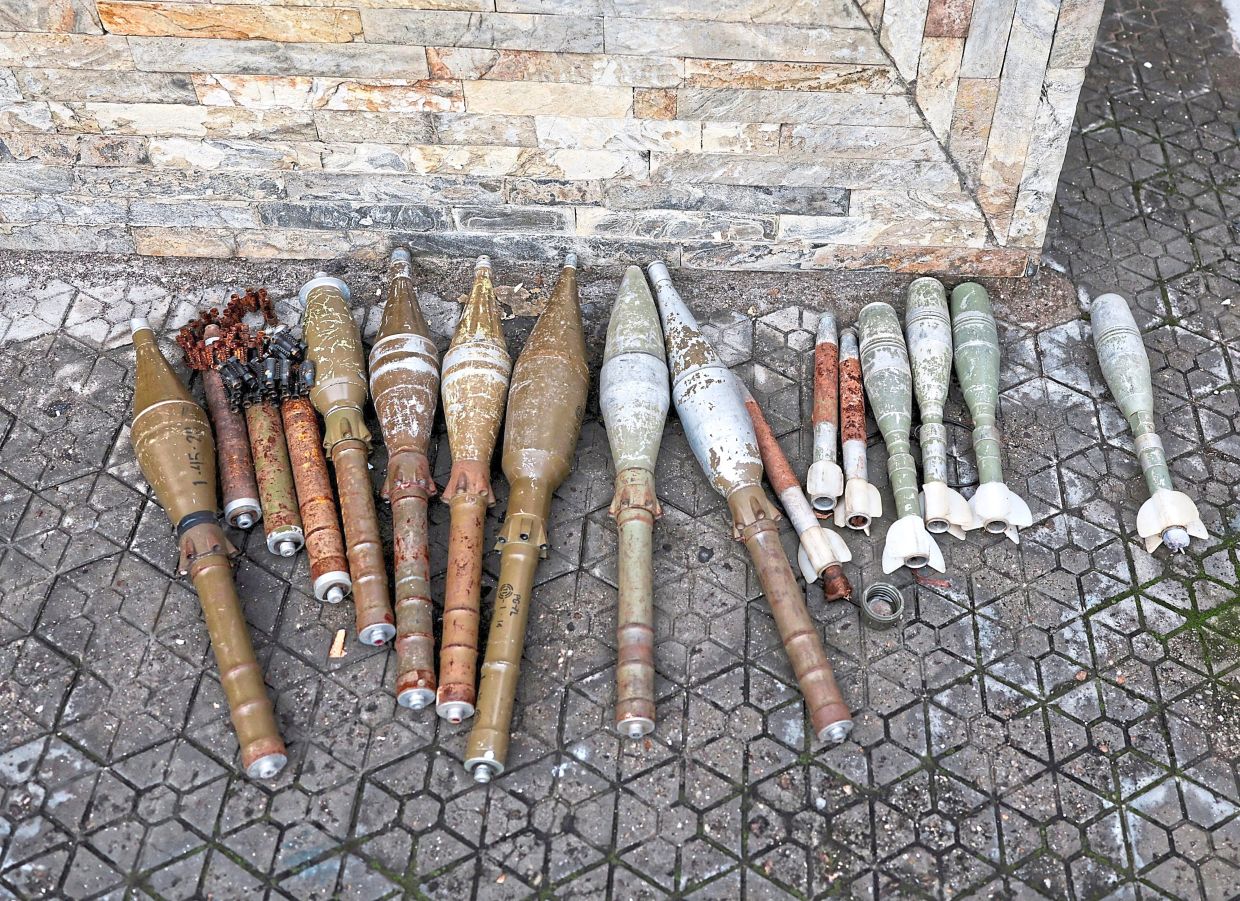
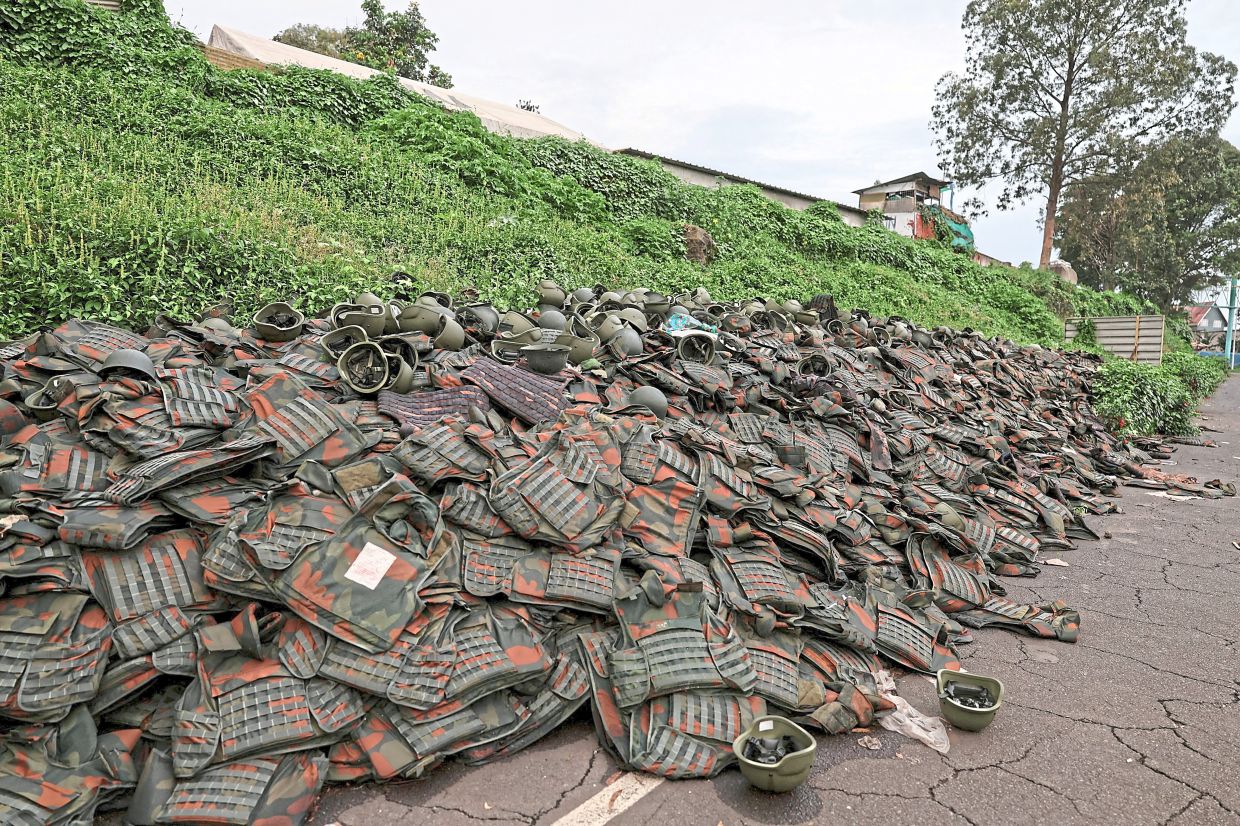 Abandoned rocket-propelled grenades that belonged to the Armed Forces of the Democratic Republic of Congo lying at Goma airport after the town was seized by the M23 rebels. — Reuters
Flashpoints multiply
A major flashpoint is Uvira, on Lake Tanganyika in South Kivu, where M23 fighters, Rwandan troops and allied Tutsi militias face off against Congolese soldiers, Burundian allies and pro-government Wazalendo militia.
“If they stay long in these positions, they will be impossible to dislodge,” warned a senior Congolese officer, referring to rebel control of high ground.
In August, M23 accused Kinshasa of daily drone and artillery strikes on Tutsi Banyamulenge communities in the highlands.
“Those that aren’t dying by drones or gunfire are dying slowly of hunger,” said Freddy Kaniki, a rebel-allied leader.
Kinshasa denied attacking civilians, saying its army was acting defensively.
Still regrouping after M23’s January offensive, the army has also hired foreign contractors for support. Diplomats say private firms including Agemira are active in Kisangani and Walikale, home to a tin mine producing 6% of global supply.
US ally Erik Prince has signed a security deal with Kinshasa, though his firm has not yet deployed.
Elusive peace
Regional leaders have repeatedly tried to defuse the crisis.
An Angola-brokered 2024 deal sought to disarm Hutu rebels in exchange for Rwandan troop withdrawals. It collapsed as fighting intensified.
Washington revived the plan this year, pushing Rwanda to pressure M23 into withdrawing from Walikale in March.
“A few months ago, the idea that M23 and the Congolese would even speak was considered impossible,” said Troy Fitrell, who until July was the top Africa diplomat at the US State Department.
Talks in Doha continue with only a handful of negotiators.
M23 insists Kinshasa must release 700 prisoners for dialogue to progress – a demand Tshisekedi has ignored. Qatar has floated a compromise force of M23 fighters and Congolese police to secure rebel-held areas for five years.
Yet Tshisekedi recently cast doubt on foreign mediation, telling supporters: “Allow us to resolve Congo’s problems among ourselves.”
M23 quickly accused Kinshasa of breaking promises. Officials later clarified the president was referring only to African-led efforts, saying Congo remained committed to US- and Qatari-backed talks.
On Sept 3, US, Qatari, Congolese and Rwandan officials admitted delays and continued violence but insisted all parties were still engaged in the peace process.
For millions trapped between armed factions, however, peace remains elusive. — Reuters
