
MOST Klang Valley residents and its visitors wouldn’t dream of taking the short drive to the historical waterside city of Klang. What more of walking around the small, royal town.
This long weekend holiday, however, Klang’s adopted son and entrepreneur, travel enthusiast Jomy Yow is inviting everyone to make the trip to the former capital of Selangor.
“Being the Royal Town of Selangor, Klang has so many stories to tell, and walking around it is the best way to experience it,” the 37-year-old tells the recent Asean Sustainable Urbanisation Forum at the Kuala Lumpur Convention Centre.
Yow was one of the speakers on the "Asean Cities as Cultural Gateways: Harnessing diversity for regional transformation" panel.
“You might also discover many hidden gems in Klang,” he adds.
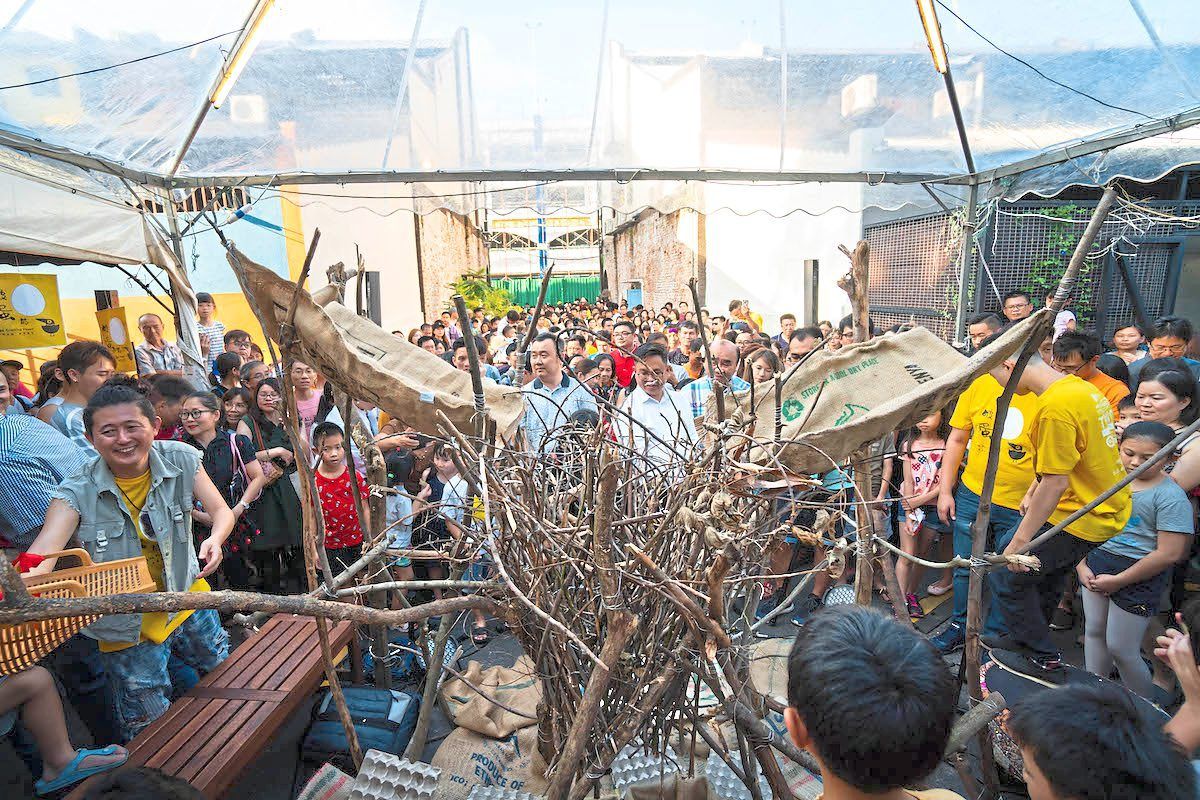
This Sunday, Sept 7, especially, a lot of fun, arts and culture is set to be had among the colonial buildings, pre-war shophouses and the majestic Alam Shah palace with the annual Egg Cracking Carnival. The carnival was initiated by the Association of Cultural and Creative Tourism (ACCT) as the "Egg Cracking Project" to boost cultural and creative tourism in Klang.
Why egg cracking?
“Egg cracking means reborn. Despite its rich heritage, the old town of Klang is not as vibrant as it deserves to be. Many of its pre-war shoplots and colonial buildings were not well maintained.
“So we felt like we needed to re-inject some new life there, that’s why we came up with ‘egg cracking’ for the carnival in 2019.
“Our aim is to let the old town get some fresh innovations and ideas coming in. So we use the reborn concept lah.” says Yow, who is one of the co-founders of the cultural and creative festival.
Now in its 7th year, Yow shares that the Egg Cracking Carnival is also aimed at engaging the local community in Klang, especially the young people, to get more involved in the city.
“One of the activities we do is to conduct workshops in school and train more of the next generation on the heritage of Klang and conduct walking tours in the town. It’s not only for the continuity of the carnival, but also to inject more new ideas to revive the Klang old town.”
Other than local performers and artists, the event will also gather local food sellers, artisans and craft makers to participate as vendors at the pop-up stalls amid the saree, traditional wear and ware “institutions” of Klang.
Yow hopes the carnival and other such events could spur the growth of the local cultural and creative industry while boosting the local businesses.
“Of course, we also hope to attract the younger generation to not only visit and appreciate the historical value of Klang but also stay and help it grow.”
Yow reveals that he was actually born in Johor but he now considers Klang as home as he has lived there for more than 20 years.
“I was not born in Klang but I grew up in Klang and went to school there. I consider it as home. All my family already moved to Klang too.”
Having graduated with a degree in cultural and creative industries from Taiwan, the former travel guide and influencer believes in the importance of integrating heritage and culture with modern marketing and branding to create vibrancy in an ageing town.
“I have been to many countries and learnt some things about marketing tourist destinations. Some places are amazing with rich cultural value while there are others with less cultural or historical content but still did well with the right marketing effort.
“I got a lot of ideas when travelling, and I’ve always thought that Klang has a glorious heritage that holds so much value but it didn’t have many people promoting it or its culture and heritage. And that’s why I made a promise to myself to return to Klang when I turned 30 and develop the ideas I had to sell Klang to the world,” Yow says.
So in 2018, after travelling to more than 40 countries, Yow returned to Klang and started a coshtel – co-working place and hostel – called Play! Klang in a refurbished pre-war shoplot at Jalan Raya Timur.
“What we want to do is to promote Klang’s rich heritage while connecting travellers and digital nomads.”
Interestingly, says Yow, there is a growing interest in Klang among foreign tourists, especially Chinese tourists, which spread on social media.
“This was helped by KTM’s commuter service to Klang, and now the free bus services from Subang Jaya,” he adds.
The Covid-19 pandemic, which temporarily halted international tourism, opened the window for domestic tourism growth, Yow notes.

As for Klang heritage, he says he is happy that the city’s thousands-year history and diverse culture are getting more attention.
What many probably may not be aware of is that Klang’s history goes back to pre-historic times, with some Bronze Age artefacts being unearthed in the royal city.
And as one of the country’s first port towns, the royal city has a racially diverse history that can rival that of Penang’s George Town, with many Chinese and Indian immigrants entering the peninsula and settling in Klang.
Of course, then there is the food heritage, of which bak kut teh is perhaps the most famous.
The “meat bone tea” was recognised as a national heritage dish in February 2024.
“Most of the time when people talk about Klang food, people immediately think of bak kut teh and pork.
“So we have worked hard to make the carnival more Muslim friendly, and one of ways is to make the carnival pork free and have halal bak kut teh sauce for Muslims.
As Yow explains further, “What many may not realise, the most important ingredient in bak kut teh is not the meat but the Chinese herbs.
“You can change to any other meat – you can use chicken, you can use lamb, you can use beef and you can even have vegetarian.
“And that is why Klang’s bak kut teh is the best – even better than Singapore’s – because of the fresh, local Chinese herbs used.”
To capture that cultural essence, Yow and friends have bottled the herbal sauce for sale so that everyone can share the very Malaysian recipe.
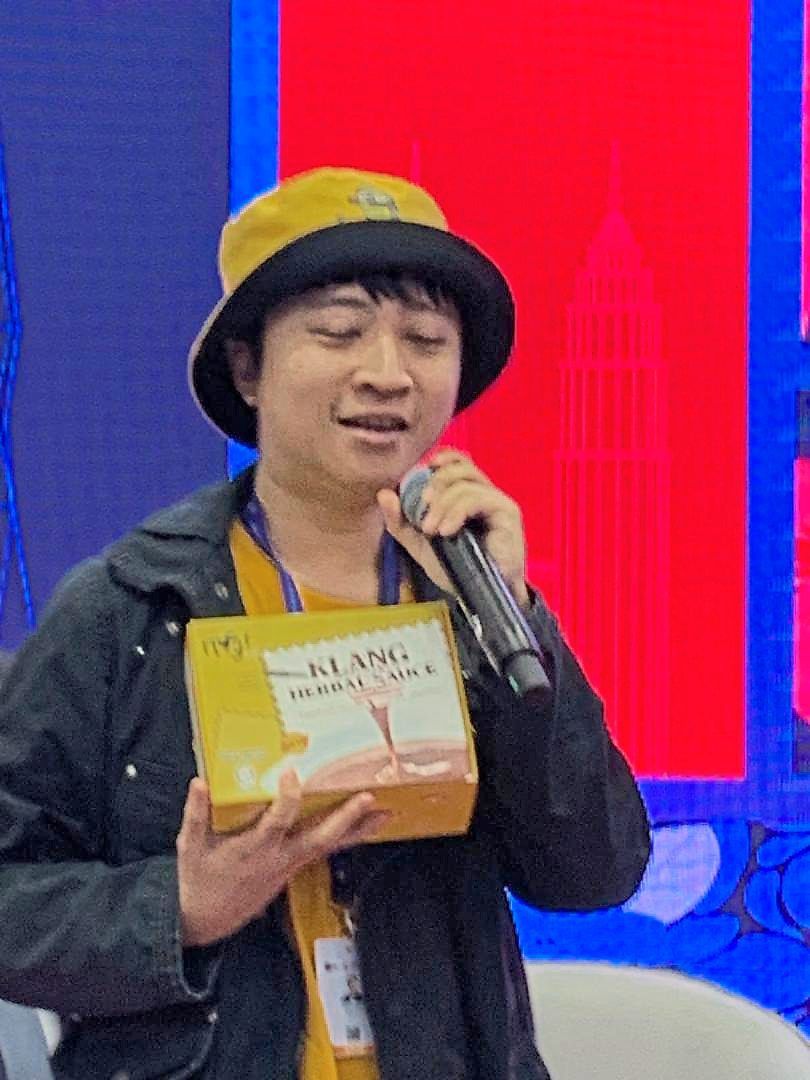
“Our herbal sauce has already received a halal certificate from Jakim and people can try cooking bak kut teh for themselves at home.
“Bak kut teh is an important food heritage because it was ‘born’ in Klang and has a long Malaysian cultural history that we hope we can share with all Malaysians.”
To join in the walking tours and other activities planned for the Egg Cracking Festival, check out https://coshtel.com/2025eggtime/
Eggtime in Klang
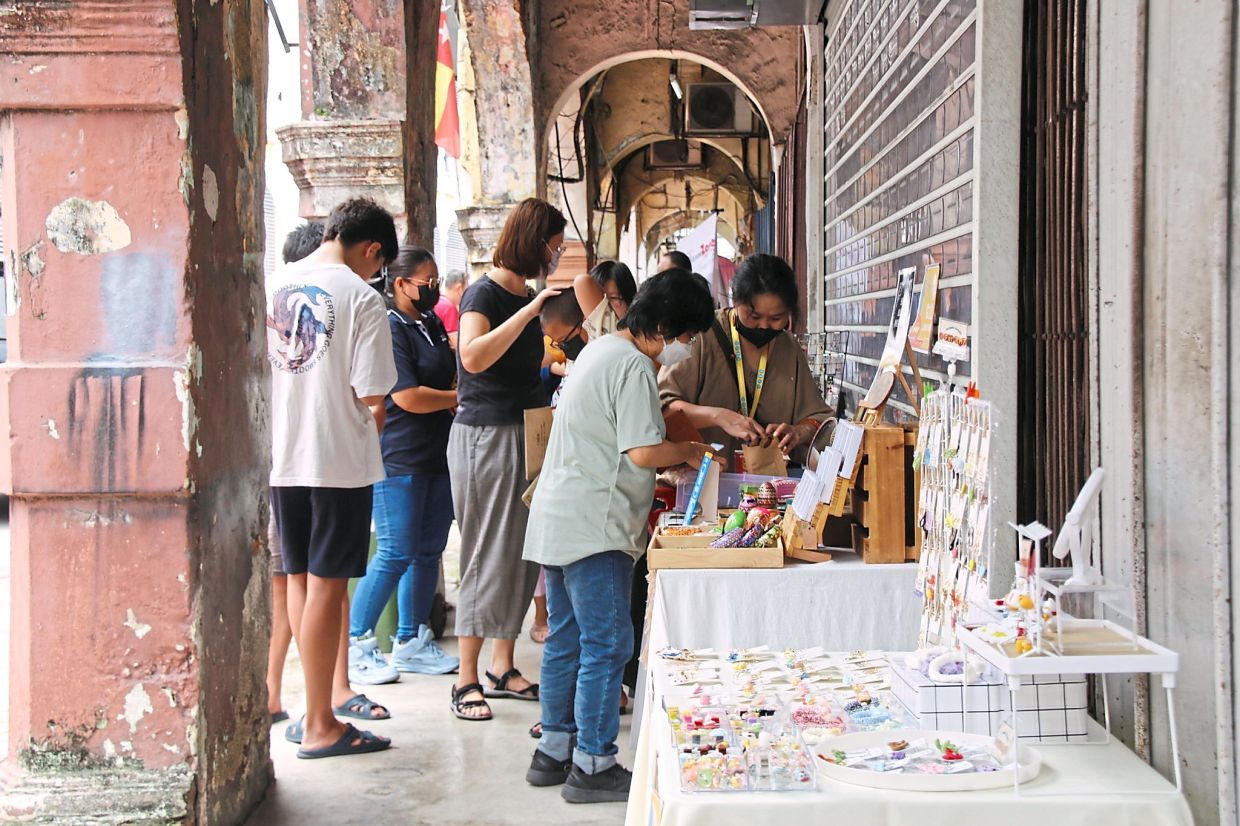
You can browse through the arts and crafts on sale at the Klang old town.
The opening ceremony of last year's Egg Cracking Carnival. A lot of fun, arts and culture is set to be had among the colonial buildings, pre-war shophouses and the majestic Alam Shah palace with the annual carnival.
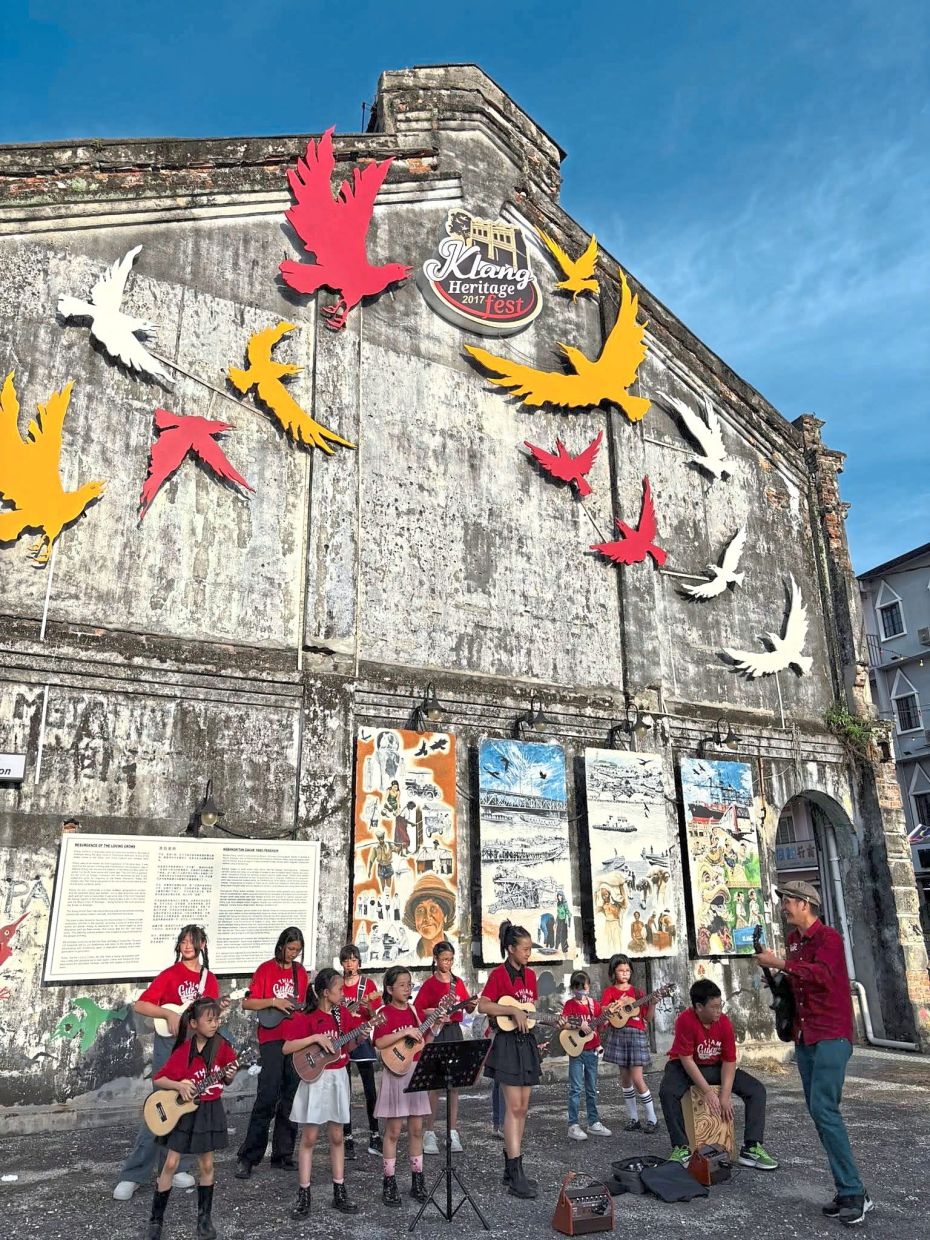
Klang's young talents will also be showcased at the Egg Cracking Festival.
Yow showing their halal certified Klang herbal sauce.
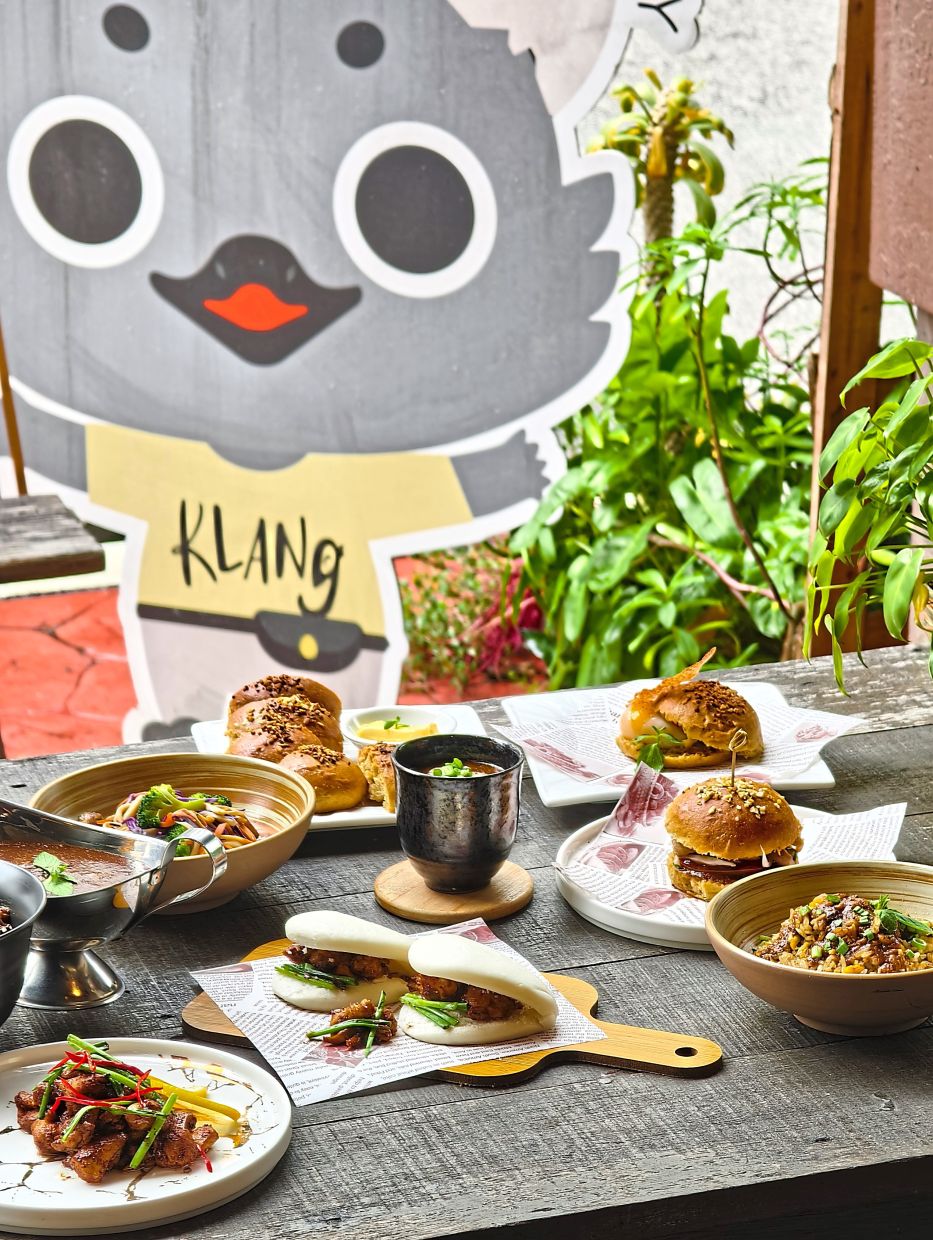
Play!Klang's restsurant which is pork free but not halal certified. The Klang herbal sauce, which is halal certified is also available there.