KUNSHIRO Kiyozumi is a small, stooped man with wisps of grey hair who lives alone and still pedals to the supermarket on his bicycle.
At 97, he barely registers among younger shoppers glued to their smartphones. Few would guess that his life was shaped by one of the bloodiest conflicts in history.
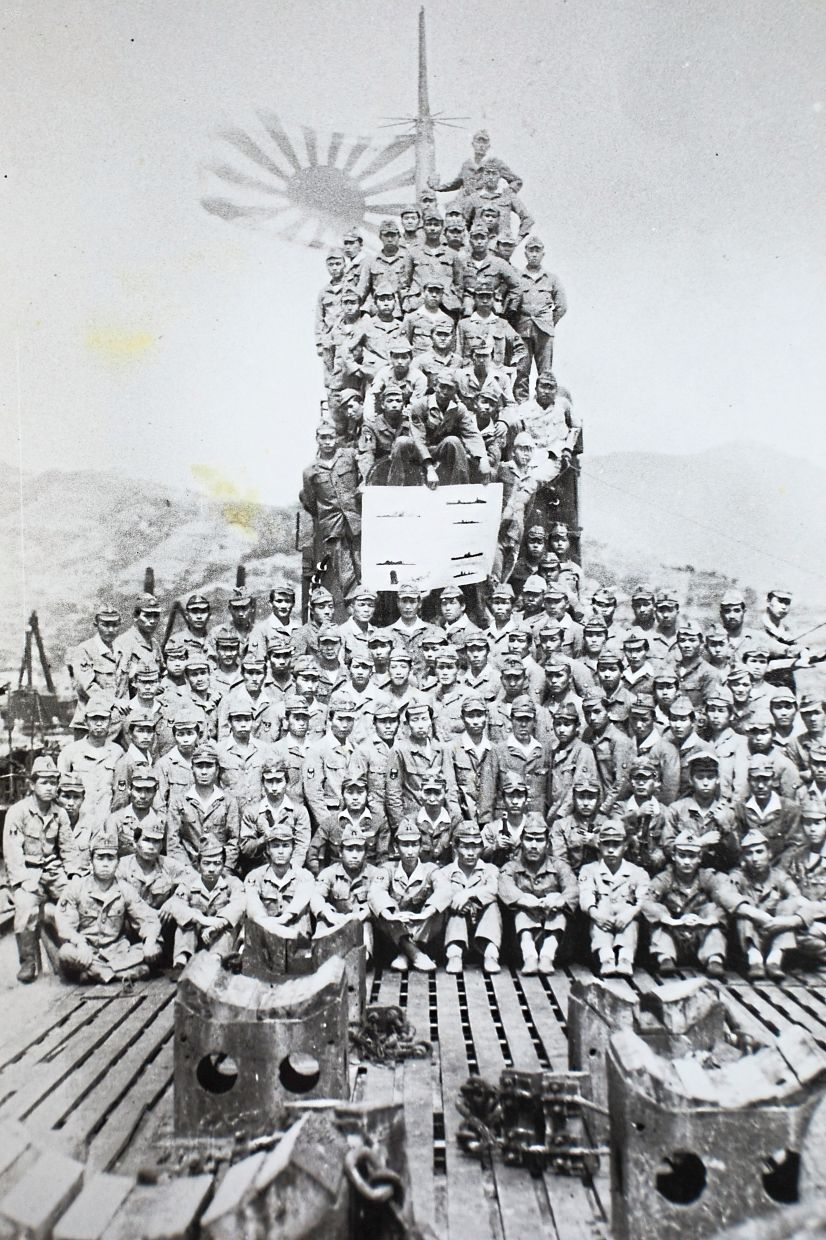
At age 15, Kiyozumi became the youngest sailor aboard the I-58, a submarine in the Imperial Japanese Navy. In the final days of World War II, it prowled the Pacific, sinking six Allied ships – including the heavy cruiser USS Indianapolis.
He fought in a military responsible for atrocities across Asia, during a brutal war that ended with nuclear bombings in Hiroshima and Nagasaki. More than 60 million people died worldwide.
Yet men like Kiyozumi were not architects of empire. They were teenagers, conscripted into a war not of their choosing.
Sent to battlefields from India to the South Pacific, many were left to starve in jungles, or returned with dark secrets as Japan crumbled.
When Japan surrendered on Aug 15, 1945, they came back to a nation desperate to forget. Their sacrifices were quietly buried alongside the shame of wartime aggression.
Kiyozumi lived out his post-war life as a utility worker, installing electrical lines to power Japan’s reconstruction. His fellow crewmates died off, and he rarely spoke about the war.
“I am the last one left,” he said, seated at home beside fading photographs of the submarine and himself as a young sailor.
Eighty years after the war’s end, these men are almost gone.
As of March, just 792 Japanese veterans were still receiving government pensions – half as many as the year before. Most are now in their late 90s or older.
Their stories – of horror, survival and sometimes shame – carry fresh weight as Japan quietly expands its military after decades of pacifism.
Starved in the jungle
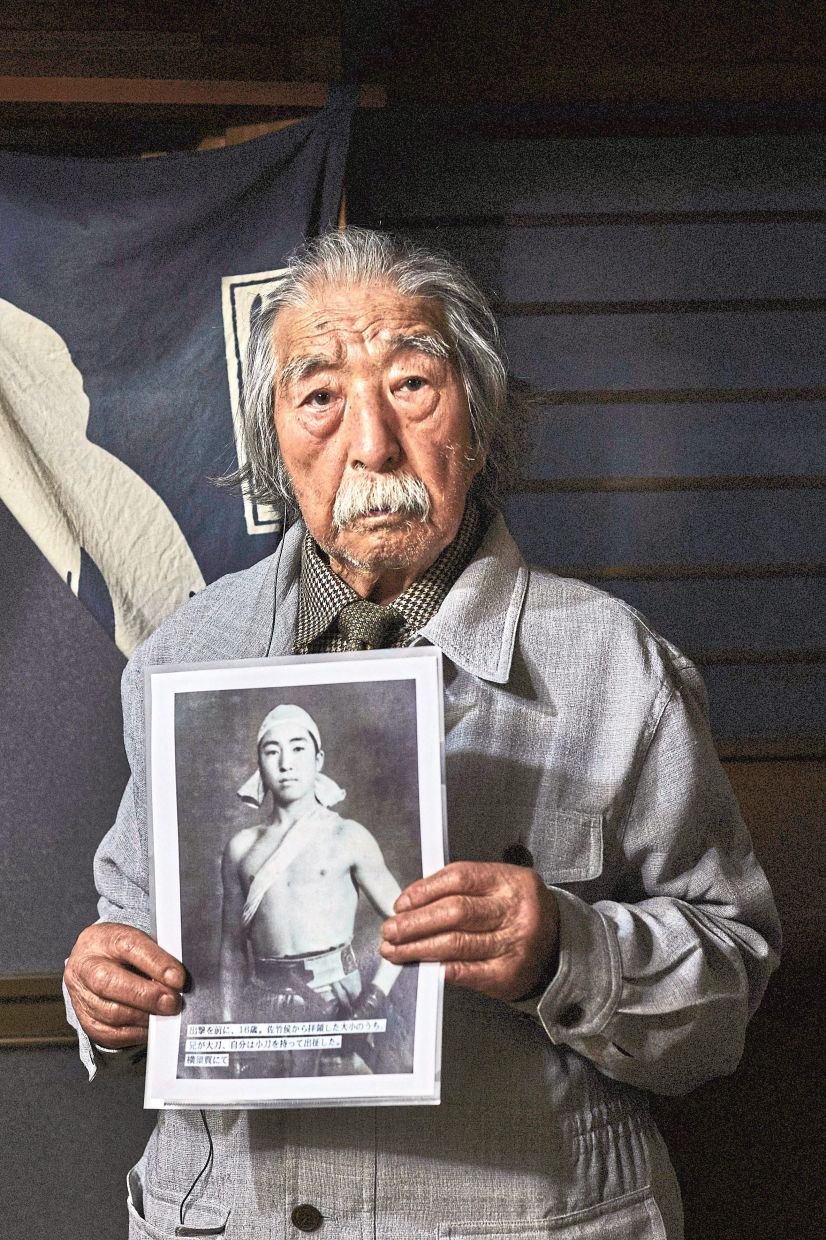
Kenichi Ozaki was also 15 when he enlisted in 1943. Drafted from his rural middle school, he joined the army against his parents’ wishes, believing it was a noble cause.
Before he could finish training as a radio operator, he was shipped to the Philippines, where US forces were retaking the territory.
Under-equipped and overwhelmed, Japanese troops scattered into the jungle.
Ozaki survived on stolen crops and leaves, watching others fall to starvation or attacks by Filipino guerillas. He even witnessed soldiers eat what he believed were the bodies of dead comrades.
After the war, Ozaki built a career at an electrical parts company, eventually rising to executive. For 50 years, he never spoke of what he’d seen.
Now 97, he says the ghosts of his comrades still haunt him.
“In their last breaths, no one shouted for the emperor,” he said. “They cried out for their mothers.”
Unit 731’s buried truth
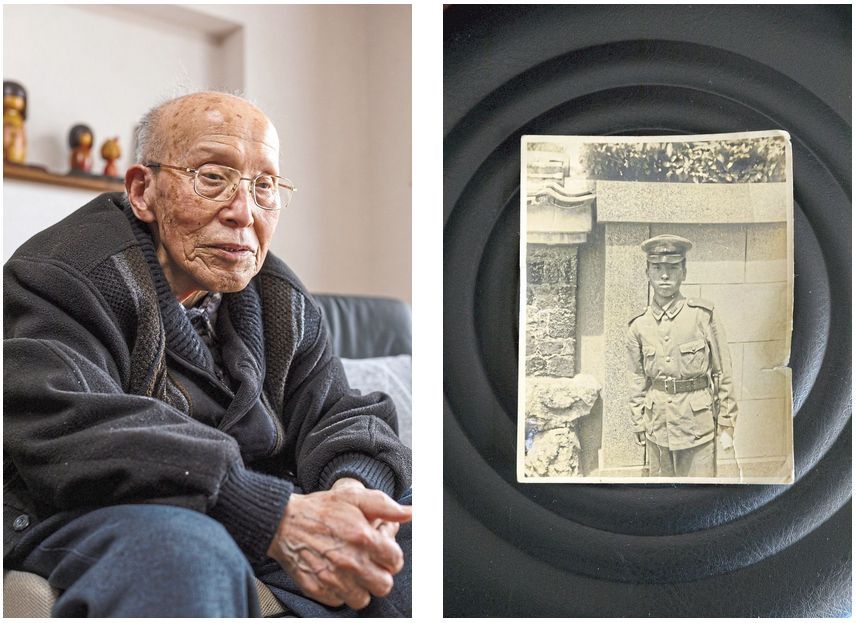
Hideo Shimizu kept quiet for more than 70 years.
Born in mountainous central Japan, he was forced into a youth brigade at age 14 in 1945.
Selected for a “special assignment” due to his dexterity, he travelled for days to reach Harbin, in Japanese-controlled Manchuria.
There, he joined Unit 731, a secret biowarfare programme infamous for its grotesque experiments.
At first, he dissected rats. Then came the real work: human experimentation.
He remembers Allied PoWs and Chinese civilians preserved in formaldehyde, dissected alive to study the effects of disease.
When Japan surrendered, his unit fled ahead of the advancing Soviets. Back home, he was ordered never to speak of what he’d seen.
Haunted by nightmares, Shimizu started a new life as a small business owner.
He remained silent until 2015, when a museum visit triggered memories – and a conversation overheard by a curator.
Now 95, he has begun speaking out, hoping to counter growing denial of Unit 731’s atrocities.
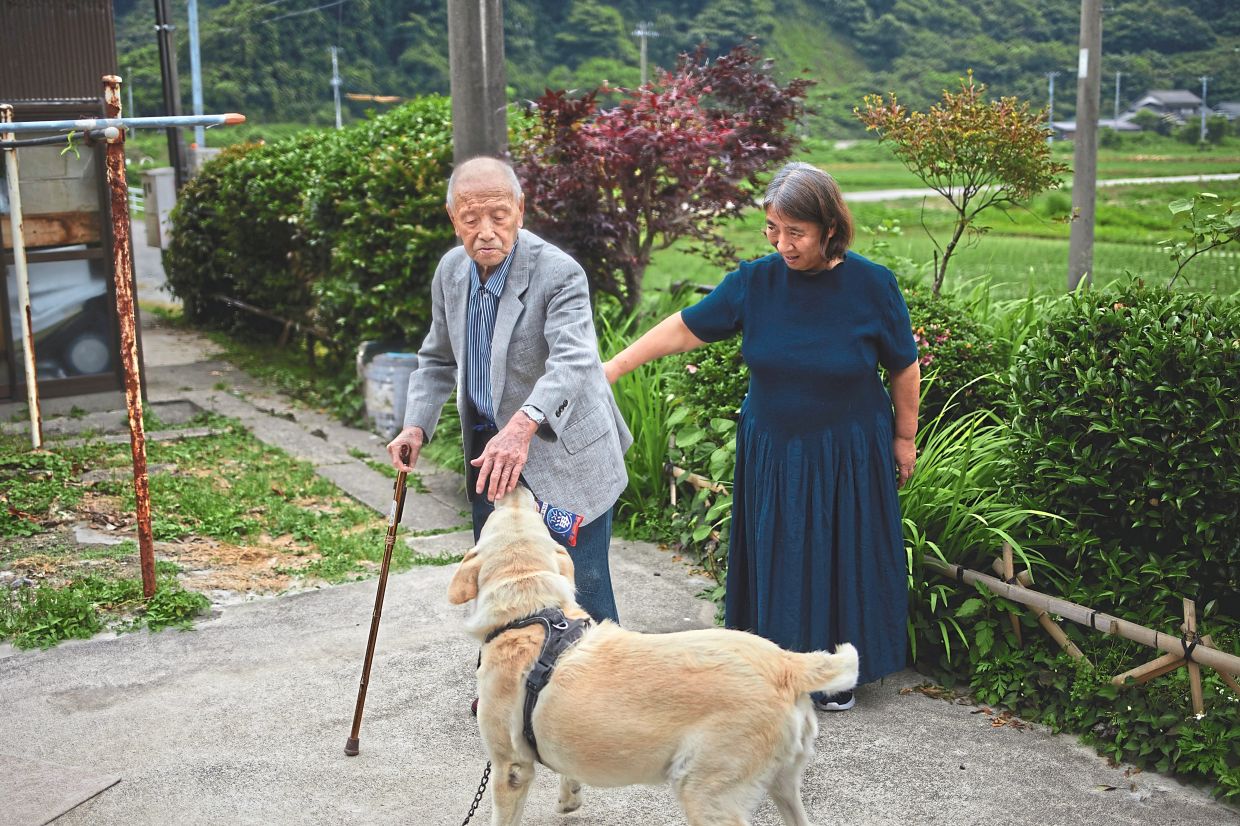
“Only the youngest of us are left,” he said. “When we are gone, will people forget what we did?”
Tetsuo Sato still simmers with anger over a battle fought 80 years ago.
The 105-year-old grew up in poverty in the village of Osonogo.
He enlisted in 1940 and was later sent to Burma (now Myanmar), where Japanese forces were planning an ambitious offensive against British India.
Their target was the city of Imphal. The generals believed in victory through sheer willpower. Supplies and retreat plans were considered unpatriotic.
What followed was a disaster. British troops feigned retreat, then encircled the Japanese.
Sato survived only because his commander defied orders and pulled back. Still, many died from disease or starvation on the retreat to Burma.
“They wasted our lives like pieces of scrap paper,” he said bitterly. “Never die for emperor or country.”
Tadanori Suzuki also signed up young – just 14 – joining the navy full of youthful zeal. He regretted it almost immediately.
Officers regularly beat new recruits, a routine broken only when he was sent to Sulawesi, a tropical island in what is now Indonesia.
There, he trained on a small torpedo boat and enjoyed brief calm – eating bananas and basking in the heat. That ended when a US destroyer appeared.
As the boats charged toward the grey enemy ship, Suzuki heard the “bam-bam-bam” of its guns.
He pulled a lever to fire a torpedo and saw a pillar of flame rise.
“A hit! A hit!” he shouted. But three boats never returned.
Lacking fuel and ammunition, their squadron never ventured out again.
Captured after the war, Suzuki returned home six months later.
When he knocked on the door, his mother wept.
“I thought you were dead,” she said, and ran a bath.
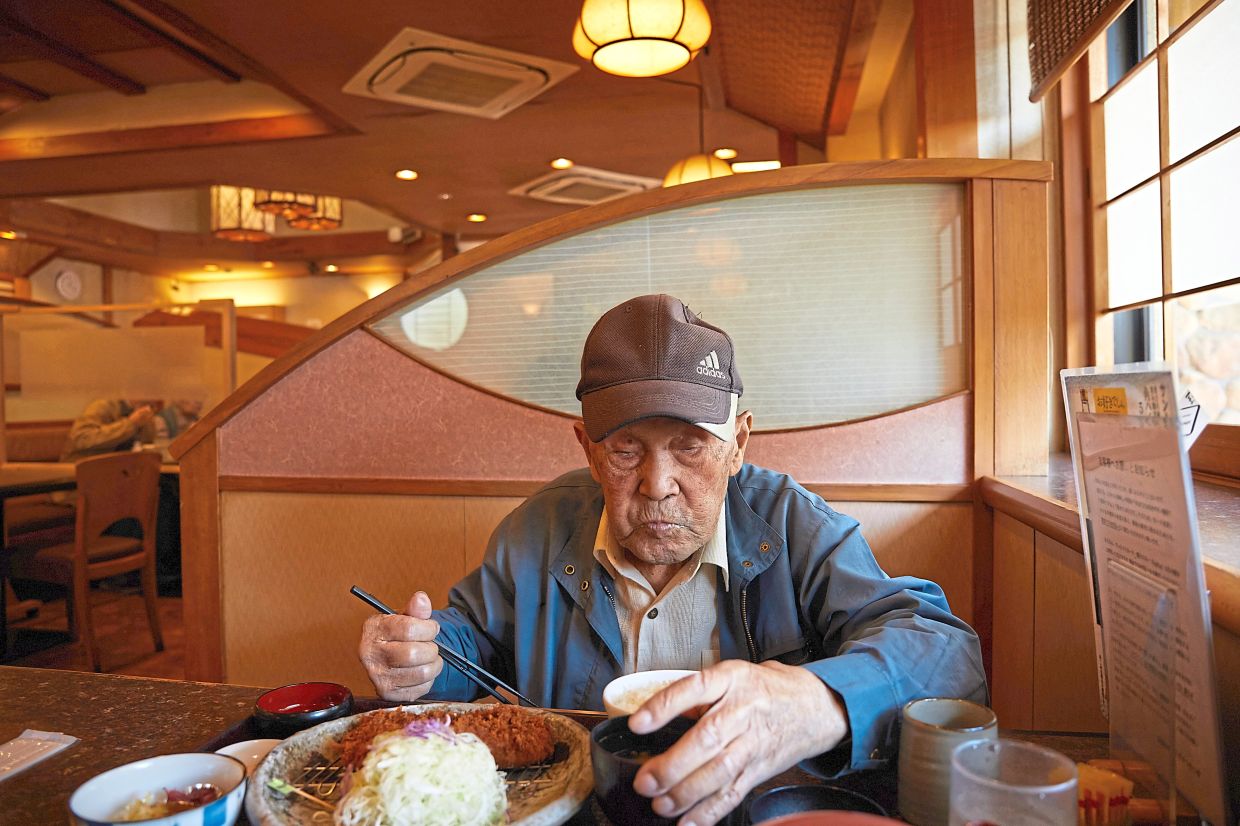
Now 96, he speaks at schools near his Tokyo home, telling children not to romanticise war.
“I tell them: a long time ago, we did something really stupid,” he said. “Stay home. Be with your families.”
Back in Japan, Kiyozumi still remembers the day in July 1945 when the I-58 sank the USS Indianapolis.
Only later did he learn the ship had just delivered parts for the atomic bomb dropped on Hiroshima. Of the 1,200 Americans aboard, only 300 survived.
“It was war,” Kiyozumi said.
“We killed hundreds of theirs, but they had just transported the atomic bomb.”
He once corresponded with a US survivor.
But now, his wife long gone and his wartime friend dead, he feels forgotten.
“Young people don’t know what we went through,” he said.
“They’re more interested in their smartphones.” — ©2025 The New York Times Company
This article originally appeared in The New York Times