
PASSIONATE and adventurous, Chef James Won once dove into a river in a remote village in Sarawak for the “best ingredients”.
It was in the wee hours, when the waters were calm. Won was foraging for mussels and wanted to have them fresh for his next meal. Suddenly, splashes disturbed the calm river. Much to his surprise, several villagers stood on the riverside behind him, throwing rocks into the water a few metres away.
“They told me they were throwing rocks to deter some crocodiles away. I guess I would wade into the dangers of the unknown for food,” Won quipped to a group of reporters recently.
Won’s experience with the locals reflects the warmth and generosity that define Sarawakians – much like the food they serve, they’re rich in flavour and full of heart.
Hailing from a small Hakka new village in Jinjang, Selangor, Won has long championed food as a powerful force that brings people together.
In fact, he is now leading the “Serumpun Sarawak” campaign, which aims to highlight Sarawak’s gastronomical delights to the world.

“We want to ensure that Sarawak’s culinary traditions, from foraged jungle greens and smoked river fish, to the ceremonial use of bamboo and stone, are not just remembered, but respected, revitalised and reimagined.
“We believe that food can be a vessel of dignity. That in every indigenous technique, every heirloom ingredient, every community gathering, lies an opportunity to uplift, educate and empower.”
The effort is also part of the state’s broader push for sustainable tourism, which among others entails conserving resources, respecting local cultures and creating jobs for local residents.
Food for thought
Sarawak’s tourism campaign to highlight its culinary wonders is a declaration of the region’s powerful affirmation that indigenous heritage, culinary identity and creative spirit deserve their rightful place on the world stage.
“And not as novelties, but as benchmarks of excellence,” says Sarawak Tourism, Creative Industry and Performing Arts Minister Datuk Seri Abdul Karim Rahman Hamzah, who also heads the region’s youth, sports and entrepreneur development portfolio.
He says Serumpun Sarawak’s vision will be showcased in Osaka, Japan from Aug 5 to 8, as part of the global celebration surrounding World Expo 2025.
“There, amidst innovation from across the planet, the world will get a taste of not just Sarawak’s cuisine, but also its identity. Its design. Its way of life.”
Abdul Karim says Serumpun Sarawak also reflects the region’s deepening commitment to sustainable tourism, which strives to balance between the needs of tourists and local communities.
“These are not just events on a calendar. They are a journey. A journey that shows Sarawak’s culinary and cultural expressions are not meant to be preserved behind glass – they are living, breathing and ready to shape the global narrative.
“But journeys are never built in isolation. ‘Serumpun Sarawak’ is a triumph of collaboration. It brings together chefs, farmers, artisans, storytellers, designers and communities. It is a beautiful reminder that when Sarawakians come together – when we walk as one – we create something powerful, enduring and extraordinary.”
Coffee and nuts
A vivid example of how food and sustainability converge in Sarawak is the rearing of the empurau fish – a prized catch that also boosts local livelihoods.
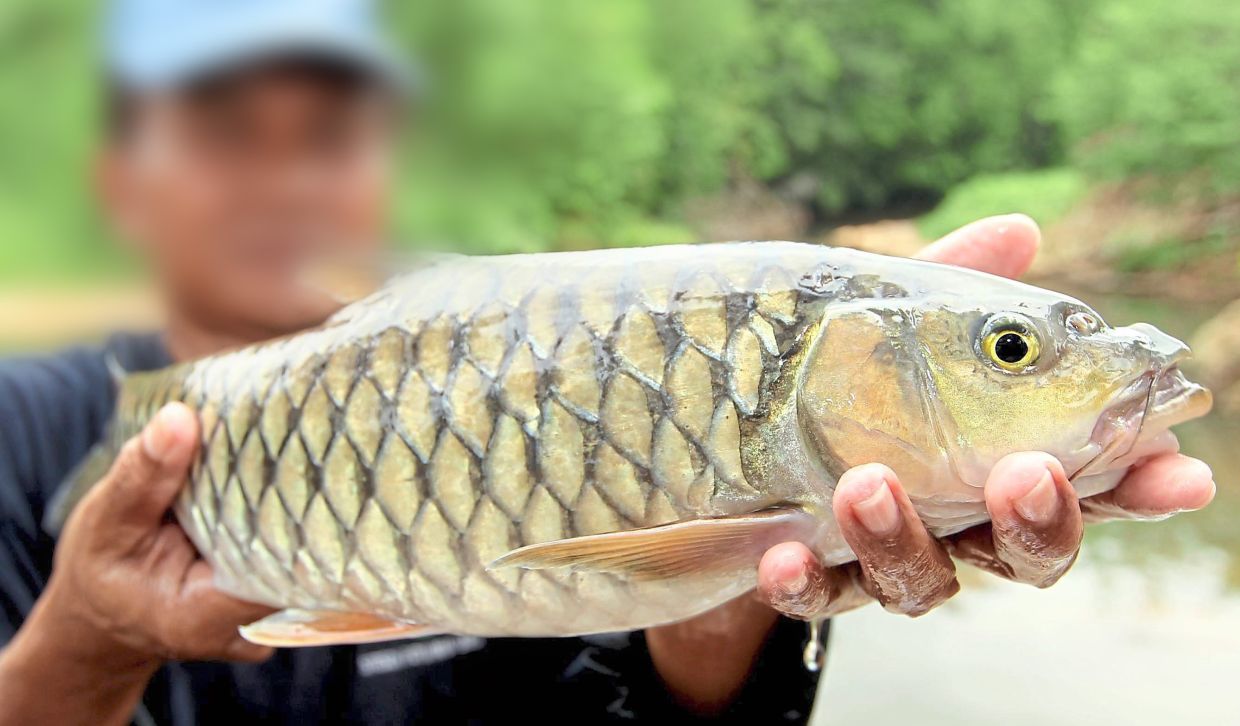
Won says the empurau’s distinctive taste comes from its diet of buah engkabang, or illipe nuts. These nuts are key to its famously fatty, fragrant flavour.
“This is why the fish costs so much (it is reported that it can fetch up to more than RM1,500 per kilo).”
However, engkabang trees fruit unpredictably.
“Since the empurau has become more and more popular, more farmers and horticulturists have taken up engkabang husbandry (to produce the nuts) to feed the empurau. These are among the many interesting things taking place in Sarawak.”
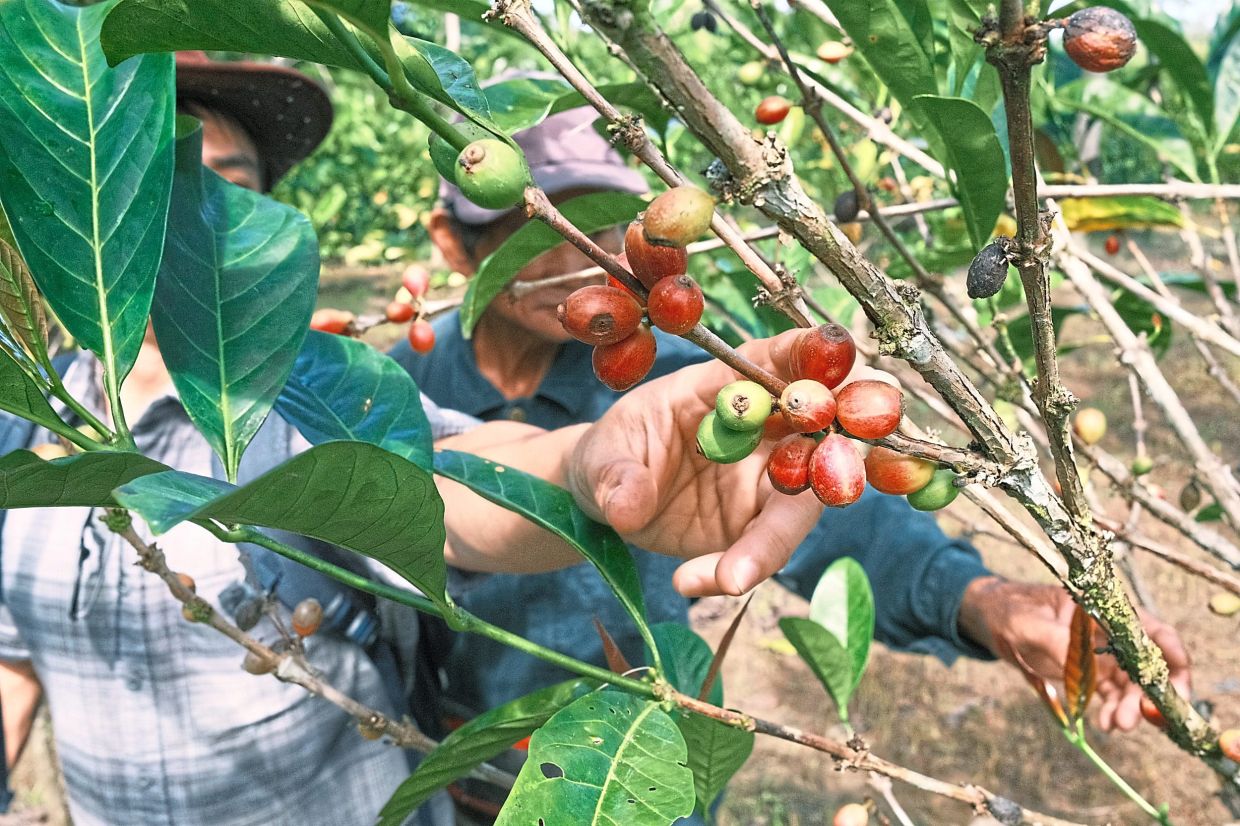
In the highlands, coffee cultivation is also getting attention.
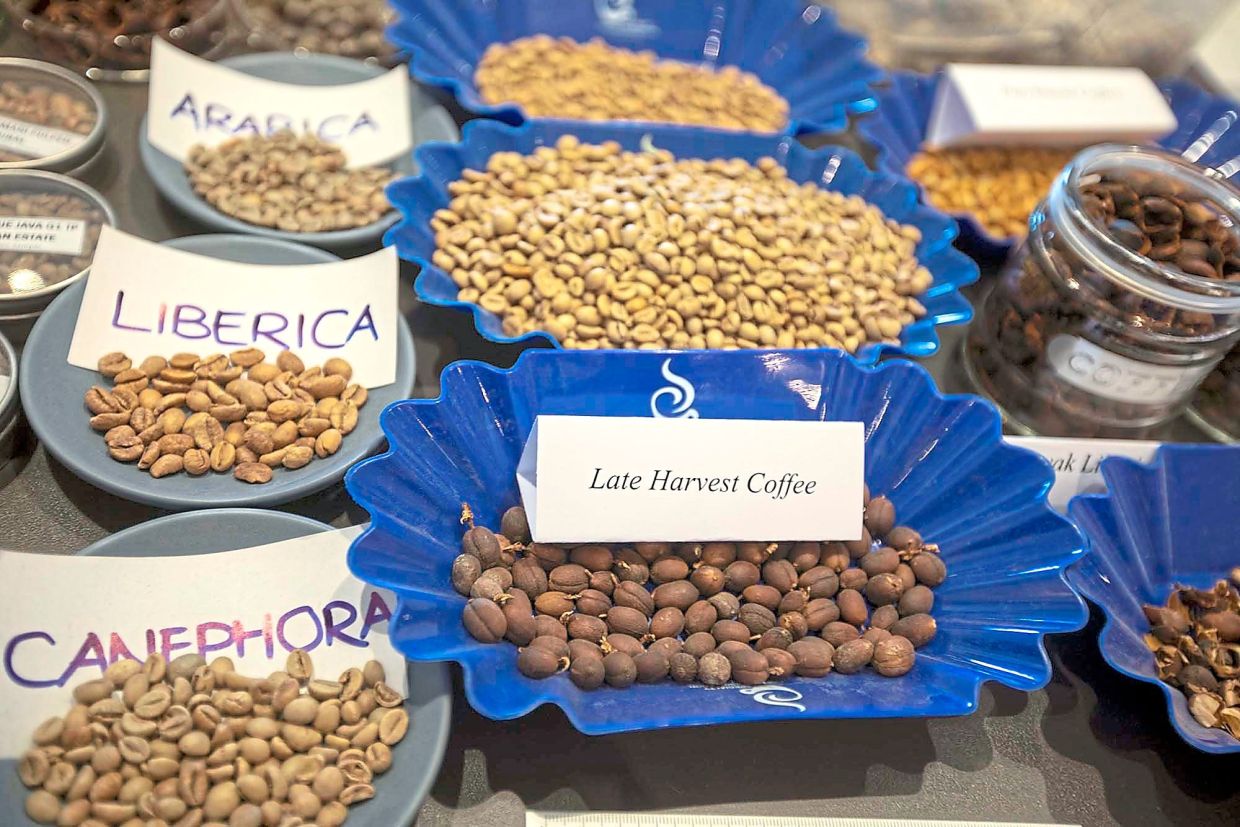
Raven Kwok, co-founder of Earthlings Coffee Workshop, says Malaysia is one of the few countries in the world cultivating liberica, a rare coffee bean prized for its smoky, bold and sometimes fruity flavour.
“The country is often overshadowed by other coffee producers including Indonesia. But liberica can put us back on the map.”
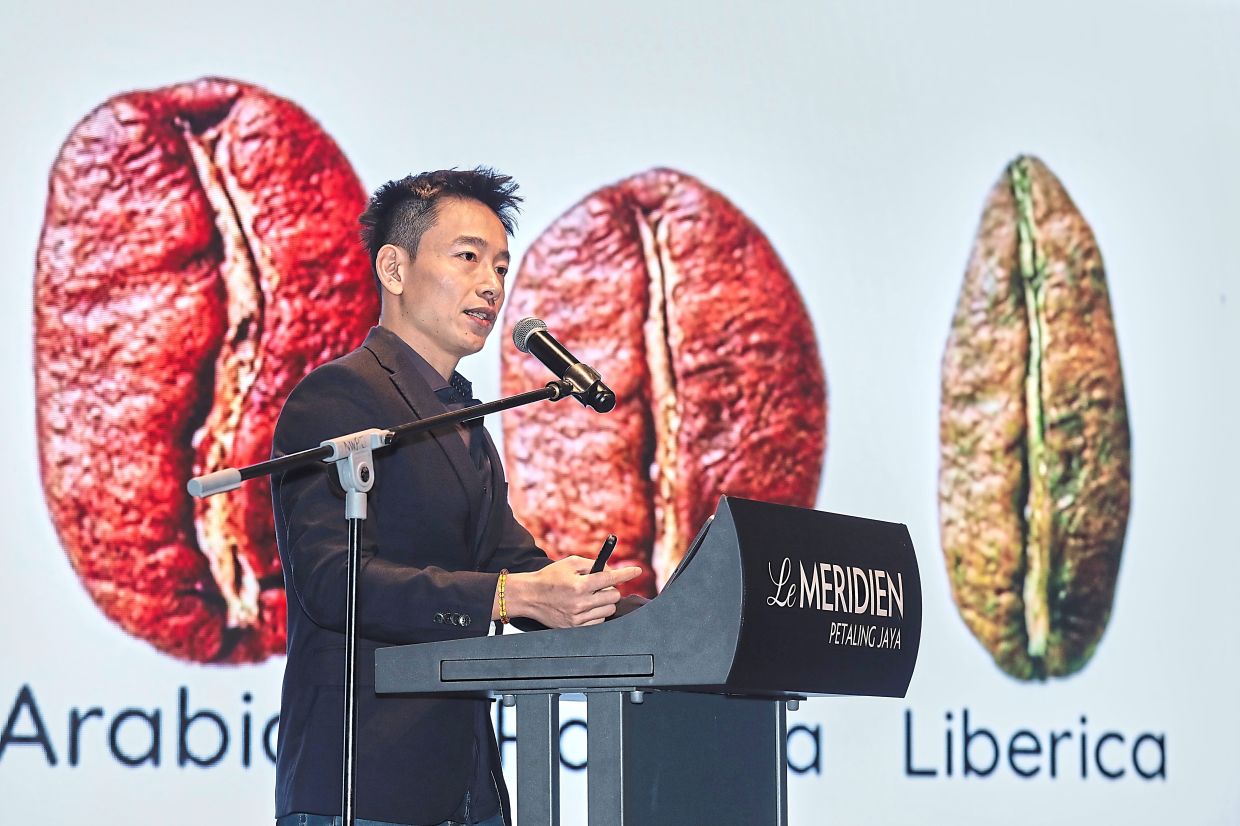
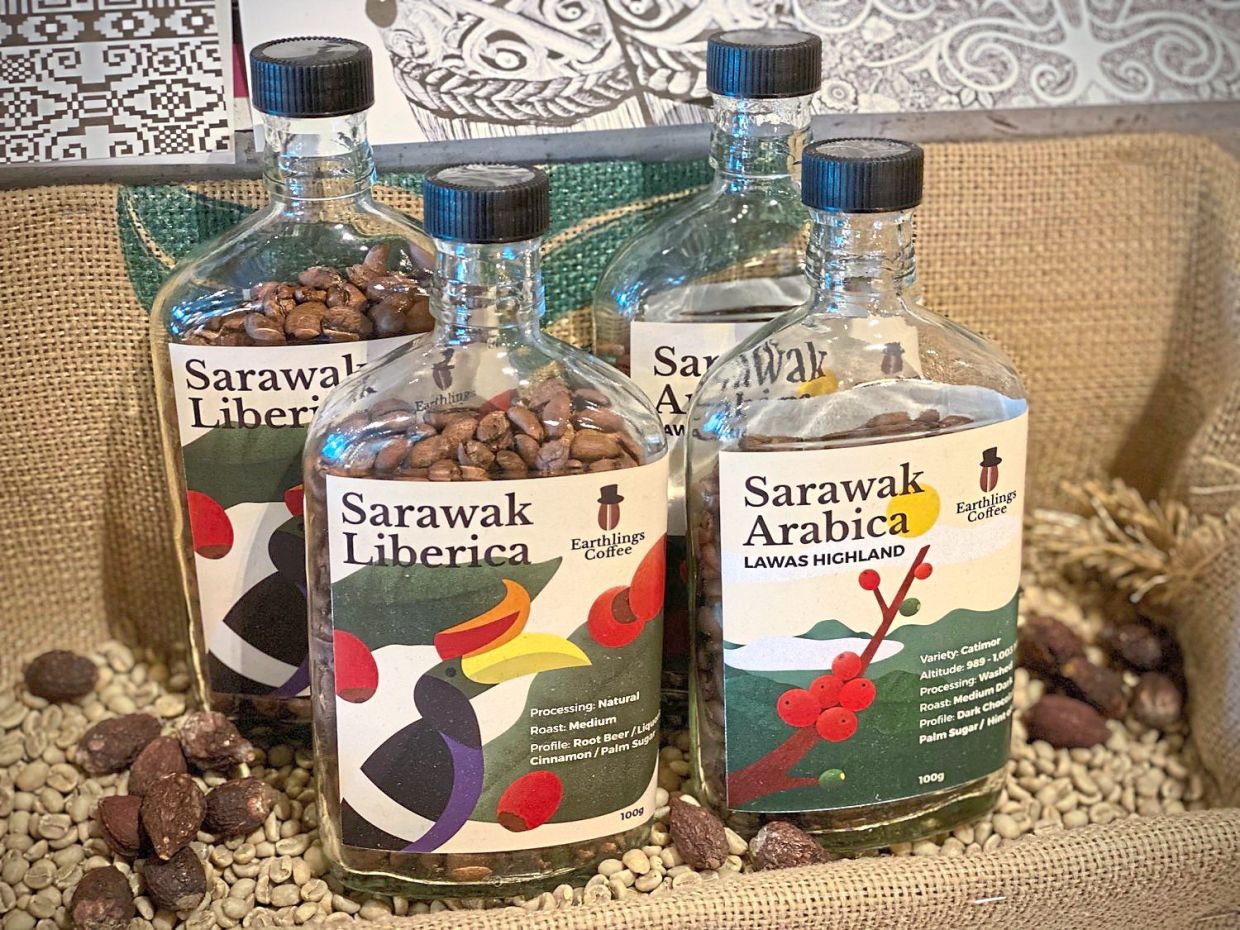
He points to promising efforts in Long Banga in Marudi district – deep in the heart of Borneo – where locals are turning to liberica as a high-value crop.
“It’s difficult for them to sell fresh produce in a (competitive) market. So growing coffee makes sense, since it’s a non-threshold commodity (it doesn’t spoil quickly or require refrigeration),” says Kwok.
Balancing act
Still, with Sarawak’s tourism efforts gaining traction, questions arise about how to avoid the pitfalls of over-tourism.
Abdul Karim admits this is a growing concern, citing the experiences of Venice and Bali – where unchecked tourism caused rental and food prices to soar, hurting locals.
“We will work to prevent (the tourism in Sarawak) from reaching to such a state. That is the reason why, when we carry out promotions, we are careful in terms of (targeting) the kind of visitors we are inviting to the country.”
He says tourist education and regulation are crucial, especially in sensitive natural areas.
“We want tourists who can appreciate the beauty of Sarawak’s nature. Not the ones who want to spoil our nature, culture and heritage.”

Asked whether increased global demand for Sarawakian cuisine could lead to a rise in ingredient prices, he remains confident.
“Presently, we are not worried. Even if it affects (the prices), we will know how to make the necessary adjustments. This is so that the locals will not feel the pinch.”
On Serumpun Sarawak’s upcoming showcase in Osaka, the Sarawak Tourism Board says the event will be hosted at Seaside Studio Caso and introduce Japanese and international audiences to the depth and diversity of Sarawak’s indigenous cuisines, ingredients and creative expressions.
“Through curated dining experiences, visual storytelling and cultural showcases, Osaka will offer a window into Sarawak’s soul – a vibrant confluence of land, people and culinary heritage.”
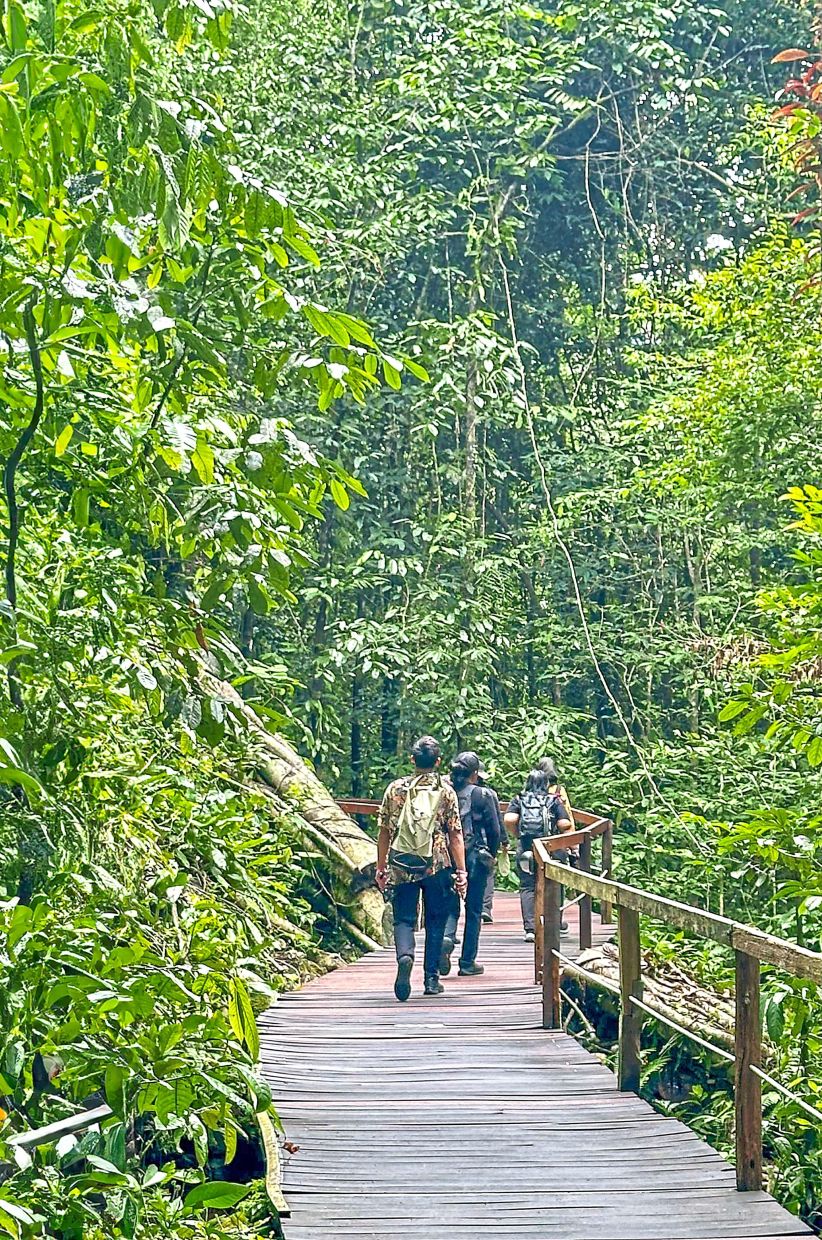
The international debut will be followed by a community-based activation at Unesco world heritage site Mulu National Park.

“In October 2025, the journey will host a site-specific experience within the park itself, blending indigenous culinary traditions, ecological appreciation and cultural storytelling in one of the world’s most awe-inspiring environments.
“The Mulu activation reflects Serumpun Sarawak’s commitment to ensuring that global recognition is always grounded in respect for local communities, biodiversity, and indigenous knowledge systems.”
Sarawak Serumpun delights

Gastronomical delight: The empurau fish is a prized catch in Sarawak. — ZULAZHAR SHEBLEE/THE STAR
A variety of coffee beans, including Liberica, at Earthlings. — ZULAZHAR SHEBLEE/THE STAR
Coffee cultivation is getting attention in the Sarawak highlands. — Earthlings Coffee Workshop
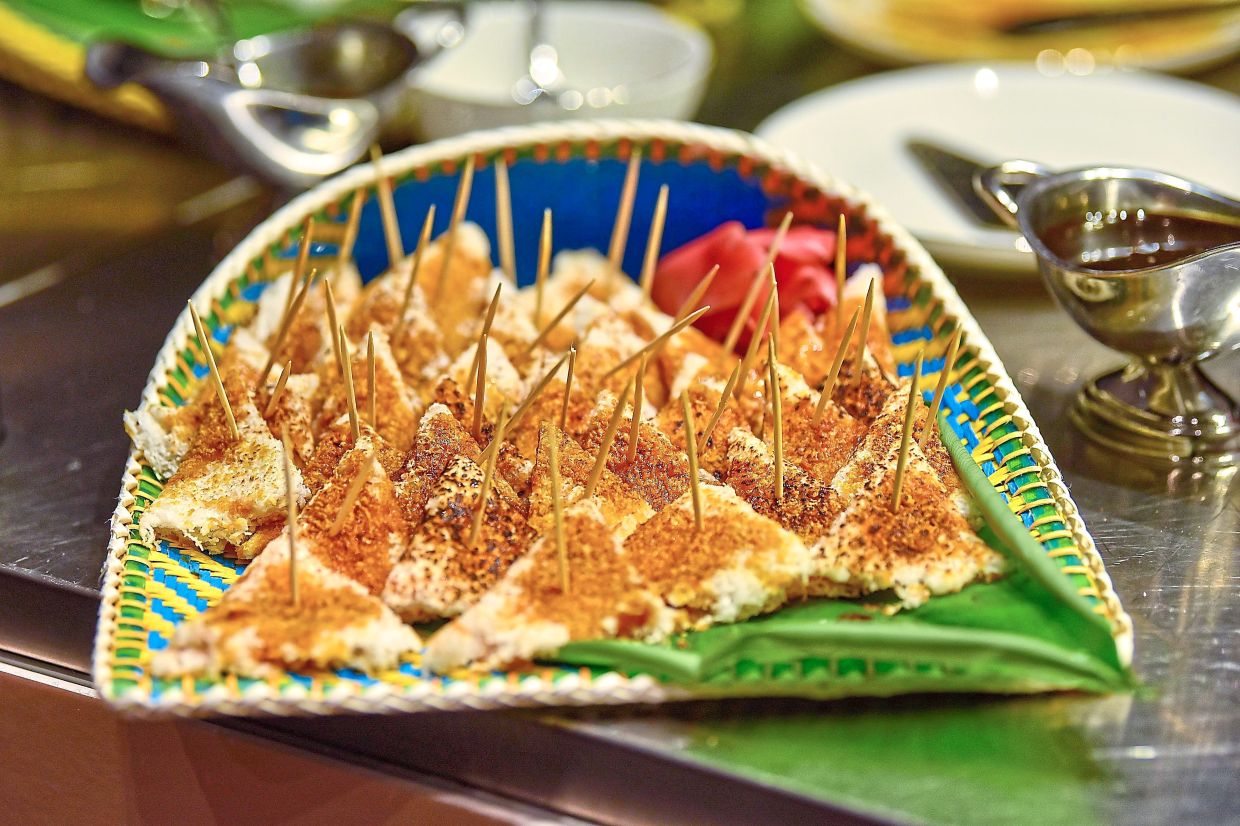
Traditional Sarawak snack tumpik. — Bernama
Tumpik can also be enjoyed with prawns, fish and gula apong. — Bernama
— Earthlings Coffee Workshop
Serumpun Sarawak at Mulu will be a site-specific experience within the park itself, blending indigenous culinary traditions, ecological appreciation and cultural storytelling in one of the world’s most awe-inspiring environments. — EDDIE CHUA/The Star
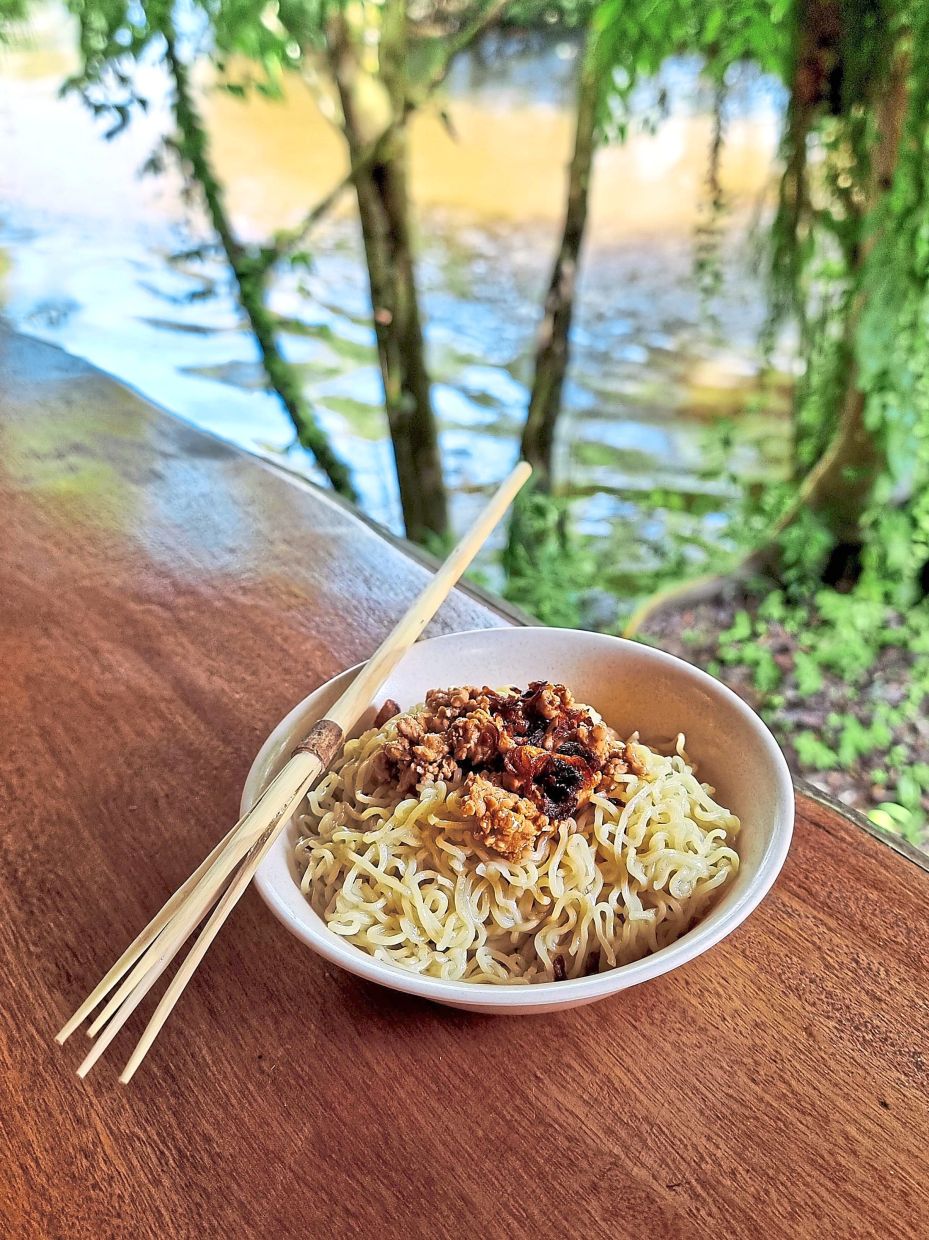
A bowl of Kolo Mee sold at the Gunung Mulu National Park cafeteria. — Agencies
The Unesco world heritage-listed park will host Serumpun Sarawak in October. —EDDIE CHUA/The Star