BEING an educator in the digital age requires more than subject knowledge - it demands constant adaptation, experimentation and continuous upskilling.
This means that embracing digital tools is no longer optional but essential to making learning more inclusive, engaging and meaningful, say award-winning teachers.
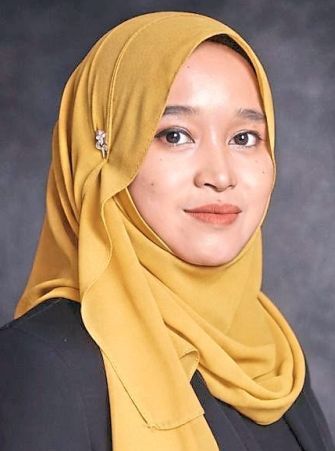
Special education teacher Siti Ainulmursyida Shamsudin advocated what she called “problem-based upskilling” - learning new technical skills specifically to address challenges teachers encounter in their classrooms.
“With Canva, generative AI and game-authoring tools, I have successfully built a speech therapy game and innovations to make English and Science more interactive,” she said.
Encouraging teachers to be open to change, the teacher from SMK Orkid Desa, Kuala Lumpur, who won the Malaysia Teacher Prize 2025, said shielding students from the complexities of artificial intelligence (AI) only widens the digital divide.
Beyond individual efforts, Siti Ainulmursyida stressed the need for stronger institutional support to foster a culture of “edu-preneurship”, where classroom innovations can be scaled up to benefit schools nationwide.
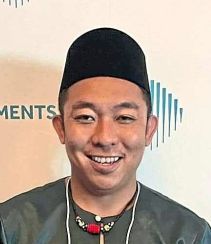
For SK Long Sebangang, Sarawak, teacher Muhammad Nazmi Rosli, upskilling is not confined to workshops or formal training sessions, but often happens through hands-on experimentation alongside his students.
One such initiative saw his students produce short films that were later sold at a night market for RM5 per QR code.
“In the first week alone, the students generated about RM2,000. It showed them that creativity, digital tools and entrepreneurship can come together in meaningful learning,” he shared.
He conceded that for teachers who are deeply committed to self-improvement, the journey can sometimes feel isolating - especially in remote areas.
As such, Muhammad Nazmi, who was among the top 10 finalists for the 2025 Global Teacher Prize, encouraged educators to build collaborations with other schools, professionals and communities through project-based initiatives.
A proponent of using technology to expand students’ imagination - especially among students with limited exposure - he said teaching in a rural school requires educators to blend global tools with local realities.
“I often integrate simple technology like QR codes, phones and AI-assisted tools into my lessons,” he shared.
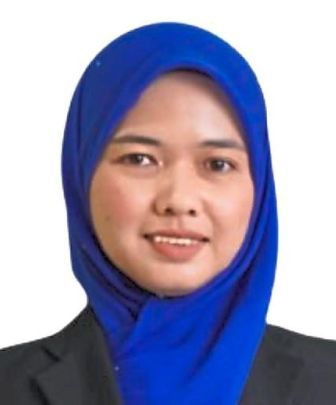
Meanwhile, SMK Pelong Setiu, Terengganu, teacher Zizi’azniza Mohd recommended that teachers familiarise themselves with approaches such as the Engineering Design Process (EDP), which helps students to cultivate systematic thinking and problem-solving skills.
EDP is a process that involves identifying problems, generating ideas, developing solutions and refining improvements.
“AI is used as a supporting tool - in idea generation or information exploration - but students are still required to evaluate and refine the outputs,” she said, adding that this ensures they do not become overly dependent on technology.
Zizi’azniza, who was also a Top 10 finalist for the 2025 Malaysia Teacher Prize and recipient of the Education Ministry’s Excellent Service Medal 2025, said a stronger learning ecosystem depends on teachers growing and learning together.
“Approaches such as cascade mentoring can complement existing systems. Through this model, teachers who have received training can continuously guide their peers, ensuring that knowledge is translated into classroom practice,” she said.