SECONDARY education is crucial in giving young women in Malaysia a chance at a better future. Yet, rising dropout rates continue to leave many girls vulnerable, limiting their ability to break free from poverty and harmful societal norms, say activists and experts.
Child activist and Yayasan Chow Kit founder Datuk Dr Hartini Zainudin said making secondary education mandatory plays a vital role in keeping girls in school.
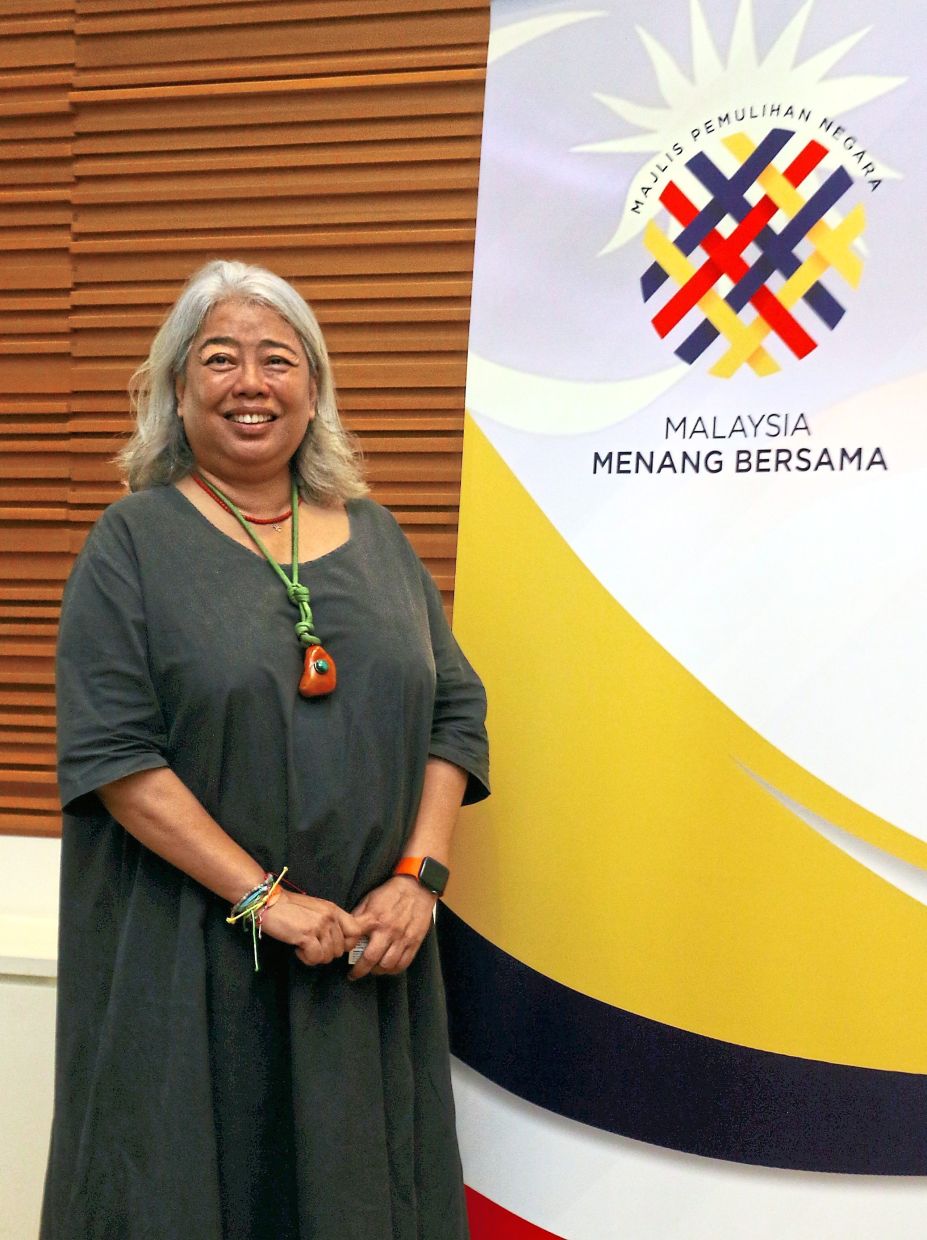
“By mandating secondary education, the government ensures that all children, regardless of gender or socioeconomic background, have access to at least a foundational level of education.
“This policy is particularly transformative for young girls, especially those from disadvantaged backgrounds, as it addresses systemic inequalities that have historically limited their access to education,” she told StarEdu.
Compulsory secondary education, she added, can significantly alter young girls’ life trajectories.
“It equips them with critical skills, knowledge and qualifications that enhance their employability and earning potential, thereby breaking intergenerational cycles of poverty.
“Education also empowers girls to make informed decisions about their lives, including delaying early marriage and childbirth, which are often linked to lower educational attainment,” she explained.
She also said that research consistently shows that educated women are more likely to contribute positively to their families and communities, leading to broader socioeconomic benefits for society.
“In Malaysia’s context, where disparities in access to education persist among rural and urban areas as well as across income groups, this legislation could serve as a catalyst for reducing inequalities.
“For disadvantaged girls, particularly those from low-income (B40) families or marginalised communities, compulsory secondary education acts as a safeguard against dropout due to financial pressures or societal norms that deprioritise their schooling,” she said.
Moving the bill forward
In December last year, Education Minister Fadhlina Sidek announced that the bill to amend the Education Act 1996 (Act 550) to make secondary education compulsory would be tabled at Dewan Rakyat in February this year (see infographic).
On Feb 17, however, she told reporters that discussions were still ongoing to ensure all parties were aligned in supporting and endorsing the amendments.
“We are currently waiting for our turn. If not, then it will be during the next parliamentary session, but engagements are still ongoing,” she told the media during the opening ceremony of SK Taman Pelangi in Semenyih last month.
In 2023, the Cabinet gave preliminary approval to extend the compulsory primary education policy – in effect since 2003 – to secondary schooling.
The move, Fadhlina had earlier said, reflects the ministry’s commitment to ensuring that no child is left behind.
Women’s Aid Organisation (WAO) executive director Nazreen Nizam said making secondary education compulsory can yield significant long-term socioeconomic benefits, both for individuals and the nation.
“Studies have shown that secondary education contributes positively to economic growth, and can encourage more students to pursue tertiary education, which has a significant impact on gross domestic product growth in both the short and long term,” she said.
She added that educated women are also more likely to invest in their children’s education, perpetuating a positive cycle of empowerment.
Nazreen also said that for many girls, particularly those from marginalised communities, education acts as a protective factor against early marriage and child labour, both often driven by financial hardship.
“By keeping girls in school and providing them with the necessary support – such as scholarships, transportation, and food assistance – governments and organisations can help them complete their education and achieve financial independence,” she said.
Strengthening support
Children’s Commissioner to the Human Rights Commission of Malaysia (Suhakam) Dr Farah Nini Dusuki said priority must be given to ensuring children not only attend school but also remain in it.
“Schools must be made more accessible, especially in rural areas of East and Peninsular Malaysia. Roads and transportation must be significantly improved,” she said.
Agreeing, Nazreen said strengthening education access, particularly for vulnerable communities, is crucial.
“Provide free quality education for all children and ensure socioeconomic support for B40 families through targeted financial aid related to schooling,” she said, adding that improving monitoring mechanisms is essential to track the effectiveness of implemented policies.
Meanwhile, Hartini said civil society organisations (CSOs) play a crucial role in complementing government efforts.
“CSOs should continue advocating for stronger legal protections, support community-level initiatives, and provide direct services to at-risk girls,” she said.

High cost of neglect
Hartini warned that the consequences of neglecting girls’ education and development extend beyond the individual.
“When a significant portion of the population is undereducated and economically disadvantaged, it hampers overall national progress.
“Leaving girls behind reinforces gender disparities in education, employment and social status,” she said.
Nazreen added that cultural norms and socioeconomic factors often dictate decisions to pull girls out of school.
In many families, when financial constraints arise or a family member becomes ill, girls are more likely than boys to be pulled out of school to provide care or manage household tasks, she said.
“This is especially so in societies where gender roles are rigidly defined and women are primarily seen as caretakers and homemakers,” she noted.
Mandatory schooling, Nazreen said, can keep girls in a safer and more structured environment, offering them opportunities for personal development and career success.
“By continuing their education, girls can foster a sense of autonomy and gain the knowledge and skills needed to make informed decisions about their lives.
“Girls who complete secondary education also have the opportunity to mature and explore their potential before making life-changing commitments, and are more likely to understand their rights and advocate for themselves in the future,” she said.
Hartini called for greater economic opportunities and skills training for adolescent girls to reduce financial pressures that push families towards child marriage.
She also stressed the need for better coordination among ministries and stakeholders to ensure more effective interventions.
Policies in action
> National Children’s Policy
During the 2024 Universal Periodic Review of the Convention on the Elimination of All Forms of Discrimination Against Women, it was noted that the Malaysian government is developing a National Policy and Plan of Action on Children. This policy will address issues such as child marriage, child exploitation, climate change, child online protection, bullying, mental health and juvenile justice.
> National Strategy Plan in Handling the Causes of Child Marriage (2020 - 2025)
The Women, Family and Community Development Ministry told StarEdu that it will review the existing plan to determine necessary updates for the next strategic plan. According to the ministry, the steering committee will make the final decision on the new plan.
> Amendment of Education Act 1996 (Act 550)
The bill to amend the act, which aims to make education compulsory up to secondary school, is expected to be tabled by the Education Ministry in the next parliamentary session in June.
> Sistem Pengesanan Murid KPM (SiPKPM)
The Education Ministry has developed the SiPKPM student tracking system to monitor the movement of school students, specifically those at risk of dropping out.
The power to succeed

– Carissa De-Ern Stuart, 17

– Fiona Flonika Joshman, 22

– Avinash Zhi Yong Suriar, 15
All the students featured here are participants of the BRATs Young Journalist Programme run by The Star’s Newspaper in-Education (Star-NiE) team. For updates on the BRATs programme, go to facebook.com/niebrats.