Gifted gems


Janitha

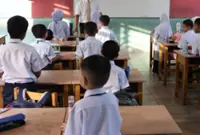
MOST academically gifted students do not achieve their full potential because they go through the schooling system unidentified.

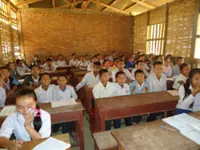
While some teachers are able to spot these children in their classrooms, they may not be able to help enhance the diverse strengths of these bright minds due to conventional curriculum constraints and traditional teaching methods, experts say.

Having the knowledge and skills to identify and understand the characteristics of gifted students is crucial if teachers are to identify such talents in their classes, World Council for Gifted and Talented Children (WCGTC) member and Universiti Kebangsaan Malaysia (UKM) Assoc Prof Dr Rorlinda Yusof told StarEdu.

“If teachers do not have a clear understanding of the traits and challenges of bright students, and if they adhere to traditional teaching methods like rote learning, it becomes more challenging for them to recognise and identify an academically gifted child,” she said, adding that it is also a myth that gifted children are high achievers who will succeed at school without the need for a special programme or curriculum.

“Children who aren’t getting the stimulation they need may become withdrawn, mentally checking out.

“The higher the giftedness, the bigger the asynchronous gap and the more psychological issues,” Rorlinda said.

As these gifted and talented children remain unidentified, many parents too are left unsure about the right educational path to nurture and challenge these young minds due to socioeconomic disparities.

Gifted children from economically disadvantaged families, said National Association for Gifted and Talented Children Malaysia (NAGCM) adviser Dr Inderbir Sandhu, may face financial barriers or limited access to quality education, impacting their university aspirations.

“Equitable access to early education for gifted children in underserved communities demands a multi-pronged approach.

“Awareness is the key. This can be sparked off with proactive outreach programmes to identify these hidden gems,” she said.

Investing in quality early childhood education programmes that nurture diverse talents across all communities, she added, provides a fertile ground for growth. “This includes nationwide professional development training for early childhood educators on recognising and supporting giftedness at an early stage,” she said.

Diamond in the rough

InderbirInderbirInderbir defined gifted and talented children as those who demonstrate an advanced ability or potential in one or more specific areas when compared to their peers.

“Gifted children are born with above average natural abilities which can be developed to a high level.

“Sometimes, children who are gifted can manifest incredible aptitude in various areas, ranging from sports, arts and music to science, maths and intellect,” she said during a recent forum on understanding gifted and talented children.

Hosted by NAGCM in collaboration with Sunway University, the forum, held on Nov 25 last year, was conducted for parents, educators and policymakers in the education industry to explore strategies and resources to support gifted children and provide them with the opportunity to access higher education at an earlier age.

Also present at the forum were Yayasan Pahang group education adviser Prof Datuk Dr Noriah Mohd Ishak, former education minister Dr Maszlee Malik and Sunway University president Prof Sibrandes Poppema.

One aspect which sets gifted students apart from their classmates, said Inderbir, is their ability to make connections that others often fail to see.

“Generally, people tend to associate gifted children with good grades but those who understand giftedness and work with gifted children know that they are different for other reasons,” she said.

She said identifying gifted children is a challenging process, adding that it can be difficult to know if a child is gifted or if they are twice-exceptional, meaning that they have exceptional abilities and disabilities.

“Children who are twice-exceptional possess an outstanding gift intellectually but also have areas of relative weakness due to their socio-emotional needs.

“They are essentially trapped between two worlds – one in which they have the internal motivation and belief in their abilities, and another where they lack confidence in certain areas, similar to children with learning disabilities,” she added.

Gem for the gifted

RorlindaRorlindaRorlinda said UKM’s Pusat PERMATA@Pintar supports gifted students with mild autism who may experience challenges such as social communication disorders.

“To assist them in their personal growth, we assign each student a dedicated counsellor. These counsellors play a crucial role in understanding the unique characteristics, challenges and learning styles of each student,” she said.

Educators at the Pusat PERMATA@Pintar, she explained, are encouraged to focus not only on the academic development of the children, but also on addressing their individual needs and emotions.

“It is important for educators to be attuned to the feelings of each student, recognising that they may have diverse personal issues and learning curves.

“This holistic approach ensures that students receive comprehensive support for both their academic and personal well-being, facilitating their day-to-day improvement,” said Rorlinda, who was the Pusat PERMATA@Pintar Negara director from 2020 until last month.

Launched on April 3, 2009, the Permata Pintar programme, was the first educational programme of its kind for gifted and talented students.

UKM was given the mandate to develop, implement and monitor the programme, managing the national gifted centre.

Going beyond grades

Prof Sibrandes, in his speech, emphasised the importance of not confining gifted children solely to the areas that they excel in.

“Their training needs to be much more holistic. Don’t make them race through their primary and secondary years to achieve grades just so that they can get somewhere,” he said.

Agreeing, Maszlee said there is a necessity for a more revolutionary approach to gifted education. “Education extends beyond exams and grades. What truly matters is how children can actively contribute to the betterment of the nation, humanity and mankind,” he said.

Inderbir said it is essential to ensure gifted students receive the support they need to thrive.

The identification of gifted children must not lead to the neglect of students who are not, she cautioned, but there must be special support available for those who are exceptionally talented.

“Gifted children can comprehend materials several grade levels higher than their peers of the same age, but they tend to be much more sensitive and intense at a young age.

“They also tend to be more curious and enthusiastic about topics that we usually would not think about.

“Tending to be curious, they absorb information with little or no need for repetition at all. This is a problem in most mainstream schools as teachers have to cater to every child,” she said.

Overcoming hurdles

NgNgParents lacking the financial resources to send their gifted children through higher education can look into various private and public institutions providing financial assistance for the B40 community, according to Methodist College Kuala Lumpur (MCKL) registar Francis Ng.

MCKL, he said, allocates some RM6mil to RM7mil in yearly scholarships with a number of applicants coming from the B40 community.

Sunway University, added its School of American Education Liberal Arts and Sciences Department head Dr Janitha Nadarajah, has a community scholarship programme, comprising both merit-based and need-based aid.

“The need-based scholarship is awarded to individuals who are the first in their families to pursue tertiary education and belong to the B40 community.

“This programme helps deserving students from low-income families gain access to tertiary education,” she said.

Parents, said Prof Noriah, can also explore PERMATA Negara – a holistic programme that provides free quality care and education for children under the age of four from low-income families.“Apart from this, we have the Universiti Pendidikan Sultan Idris (UPSI) National Child Development Research Centre (NCDRC) gifted education programme for children aged between two and four.

“If your child has certain characteristics of being gifted, do check if they are eligible for the programme,” she said.

Follow us on our official WhatsApp channel for breaking news alerts and key updates!

Next In Education

TRANSFORMATIVE CHANGES
TAR UMT students ROAR on reels
Youth urge stronger training
Giving meaning to ‘professor’
Leading TVET with values
Employers want English-ready graduates
Thriving in the age of algorithms
Double glory for Gloria
Between quiet and loud
Teacher turns word struggles into success

Others Also Read