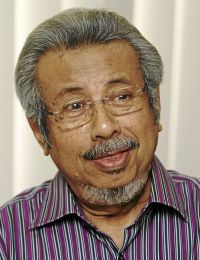
SOME individuals constantly think of innovative ways to save the planet, and Global Innovation and Entrepreneurship Foundation (GIEF) founder and chairman Datuk Ghazi Sheikh Ramli is one of them.
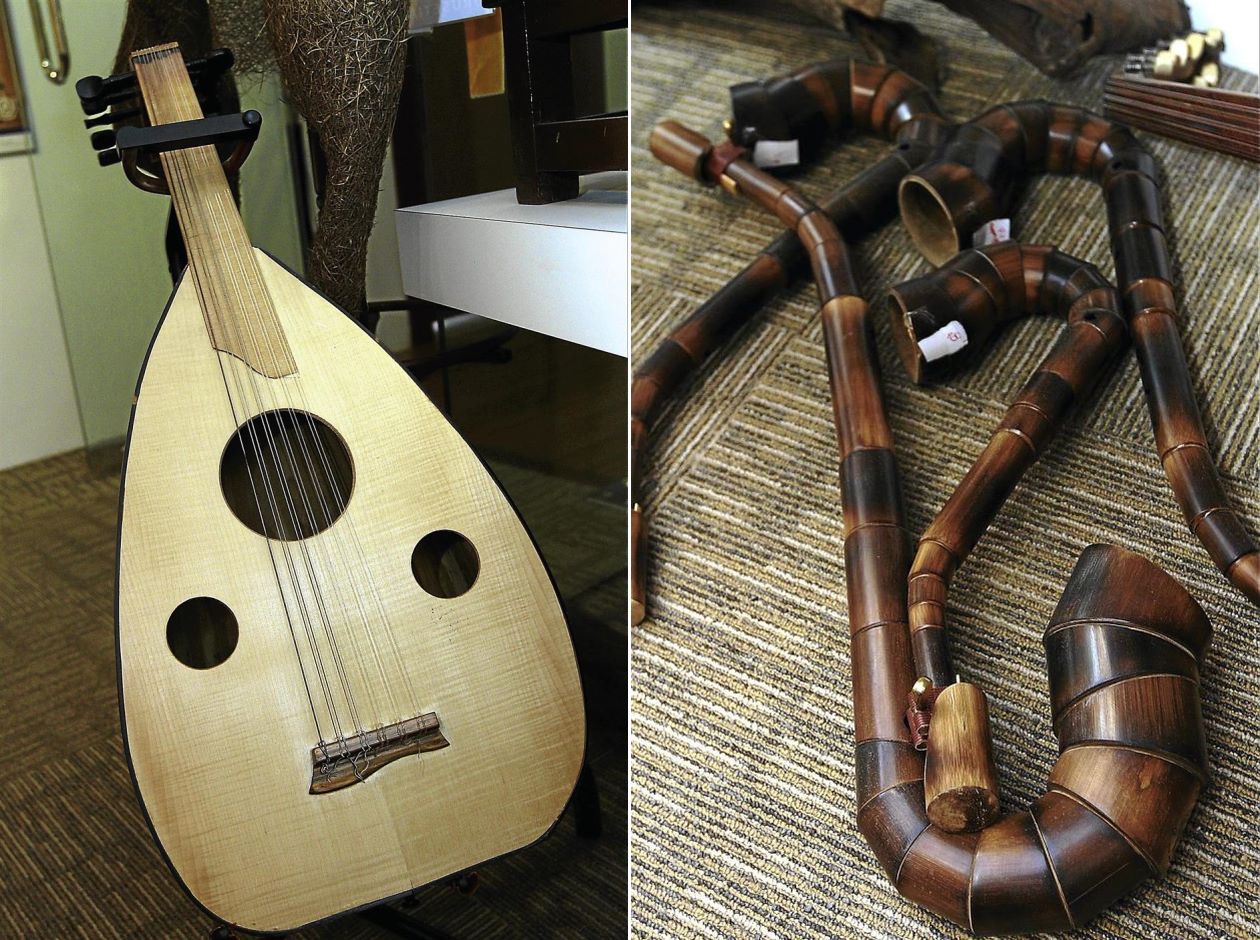
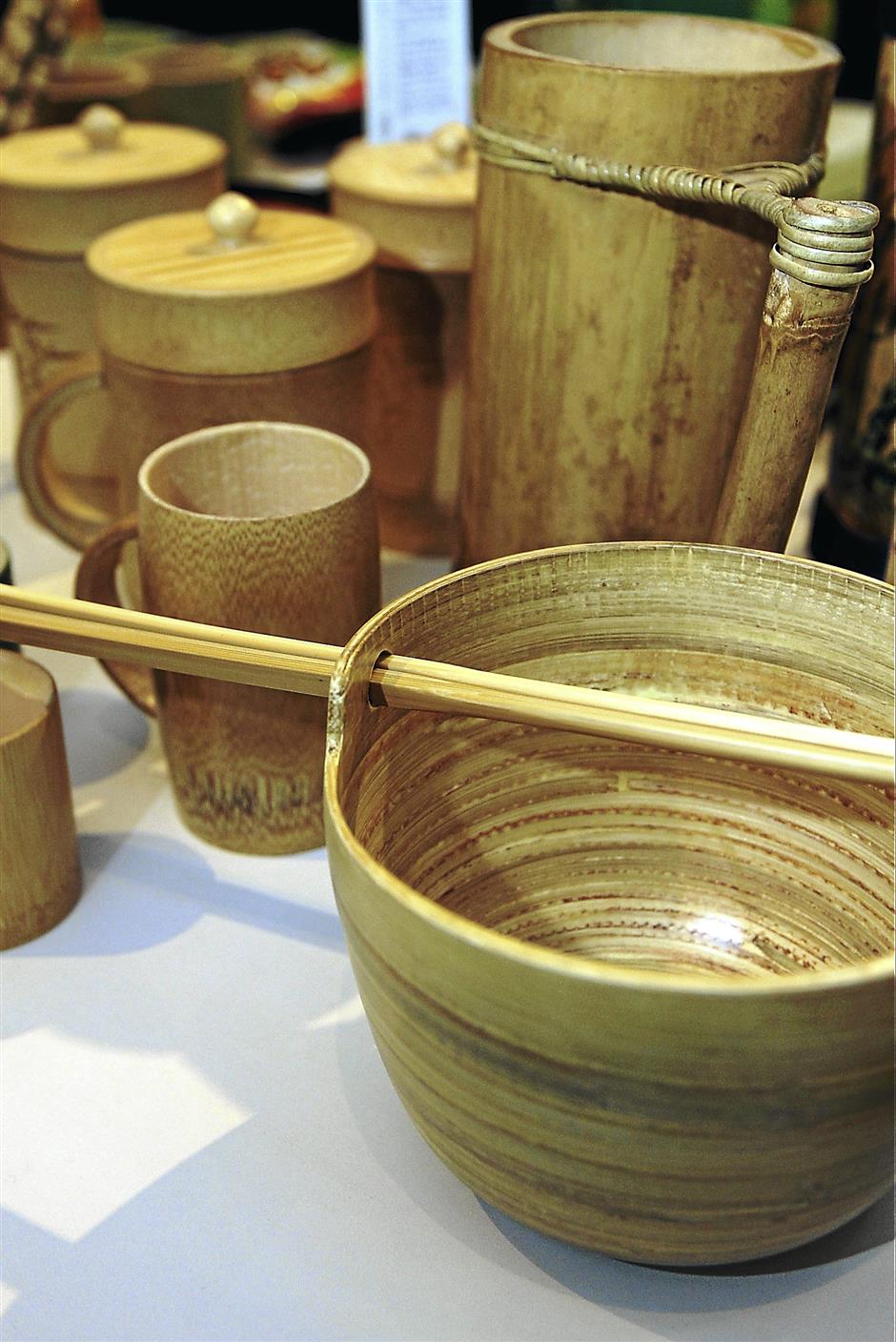
Having discovered the wonders of bamboo through his interest and extensive research, Ghazi strongly believes the sustainable plant has the potential to be used in various aspects of life — from architecture to construction, agriculture to furniture, food as well as clothing.
“Bamboo is the future timber.
“As a non-governmental organisation (NGO), we are interested in promoting the green growth of the nation,” he said, adding that ‘bamboo for all’ was his tagline.
Ghazi stumbled upon Oscar Hidalgo’s Bamboo: Gift of the Gods during a trip to Queensland in Australia some years ago and it sparked his interest to learn about the versatile and ecologically friendly plant.
He did more than just read up on bamboo, he set up GIEF, a non-profit organisation that is on a mission to educate the public, especially the younger generation, to tap bamboo’s potential.
The former senator (1997-2003) from Kampung Pulau Pisang in Alor Star, Kedah grew up watching his great grandfather’s active involvement in social work and says caring for society was ingrained in him from a young age.
“My great grandfather started the village’s first pondok school (religious training centre) which got burned down, and today it has been rebuilt as a training and ICT centre called Pusat Ilmu Ishaqiah,” said Ghazi, who is also referred to as Malaysia’s Bamboo King.
About five months ago, GIEF visited Damyang county in South Korea, which will host the 10th World Bamboo Congress from June 26 to July 1 in 2015.
“It is only 2013 and they are already prepared for the congress in 2015.
“They even have the biggest bamboo museum in Damyang and we can learn from them in focusing our sights to take bamboo to greater heights,” he said.
Ghazi said the plan was for Malaysia to host the World Bamboo Congress 2018 by working with the Malaysian Timber Board, Universiti Putra Malaysia, Malaysian Timber Industry Board and the Plantation Industries and Commodities Ministry.
“GIEF is working closely with Damyang to advocate the use of bamboo in adopting a green lifestyle.”
Ghazi wants to educate and change the public’s perception of bamboo as a kampung product.
“One of its great properties is that it absorbs 40% carbon dioxide from the atmosphere and releases 30% oxygen, hence it is a very cooling product.
“In the journey to become a developed country, bamboo’s potential as a product must not be ignored.
“There are 60 different opportunities to work with bamboo but we need the willingness and desire to take the product further.
“Bamboo can be used as a food product, for clothing, shelter, entertainment and transport but its usage in Malaysia is still very limited,” he said, adding that most of the bamboo in the country was still found in the wild.
The focus, Ghazi said, should be in reaching out to younger entrepreneurs, planners and architects on the concept of green innovation and using bamboo as an alternative building material in architecture and construction.
“I want to prove that bamboo has the potential to become big.”
He said the largest bamboo plantations in the country are located in Sarawak.
“I’m looking at creating a Bamboo Valley here in Malaysia with a nursery, resort and spa built with all things conceptualised from bamboo, including a museum.
“Those who are interested in the concept of a Bamboo Valley can visit Damyang to find out why we want to do this.
“The Bamboo Valley concept can be realised because of my belief in the system and GIEF can act as a catalyst to make things happen,” said the 72-year-old entrepreneur.
He said by looking at the bigger picture, it was possible to also create an eco-educational and tourism triangle where a visitor could go to the zoo (to see the pandas), visit the bamboo exploration park (learn about bamboo) and then relax at the bamboo garden.
“There is great potential in growing bamboo and we must have value-added propositions to realise this.
“There are 1,500 bamboo species in the world but only 13 types are used for commercial purposes in Malaysia.
“There are at least 20 companies actively involved in the production of bamboo in either food, clothing, flooring, furniture, bamboo goods and nursery with the export value of bamboo products in Malaysia at approximately RM300mil a year,” he added.
“The potential for success is far greater as we look forward to World Bamboo Day 2018,” he said, adding that GIEF was also working towards having an Asian Bamboo Festival in 2014.
Already a subscriber? Log in
Get 20% OFF The Star Digital Access
Cancel anytime. Ad-free. Unlimited access with perks.