
BEIJING (SCMP): In an attempt to mimic cervical traction therapy used in hospitals, a new trend known as the “neck-hanging exercise” has emerged among young Chinese people.
The exercise involves people hanging by their head from trees to relieve cervical spondylosis.
According to the 2024 China Cervical Spine Health White Paper, more than 200 million people in China suffer from cervical spine disorders, with over 40 per cent of patients under the age of 30.
The new hanging trend has been gaining traction online, as increasing numbers of young people try it.
The practice was originally popular among older generations in China.
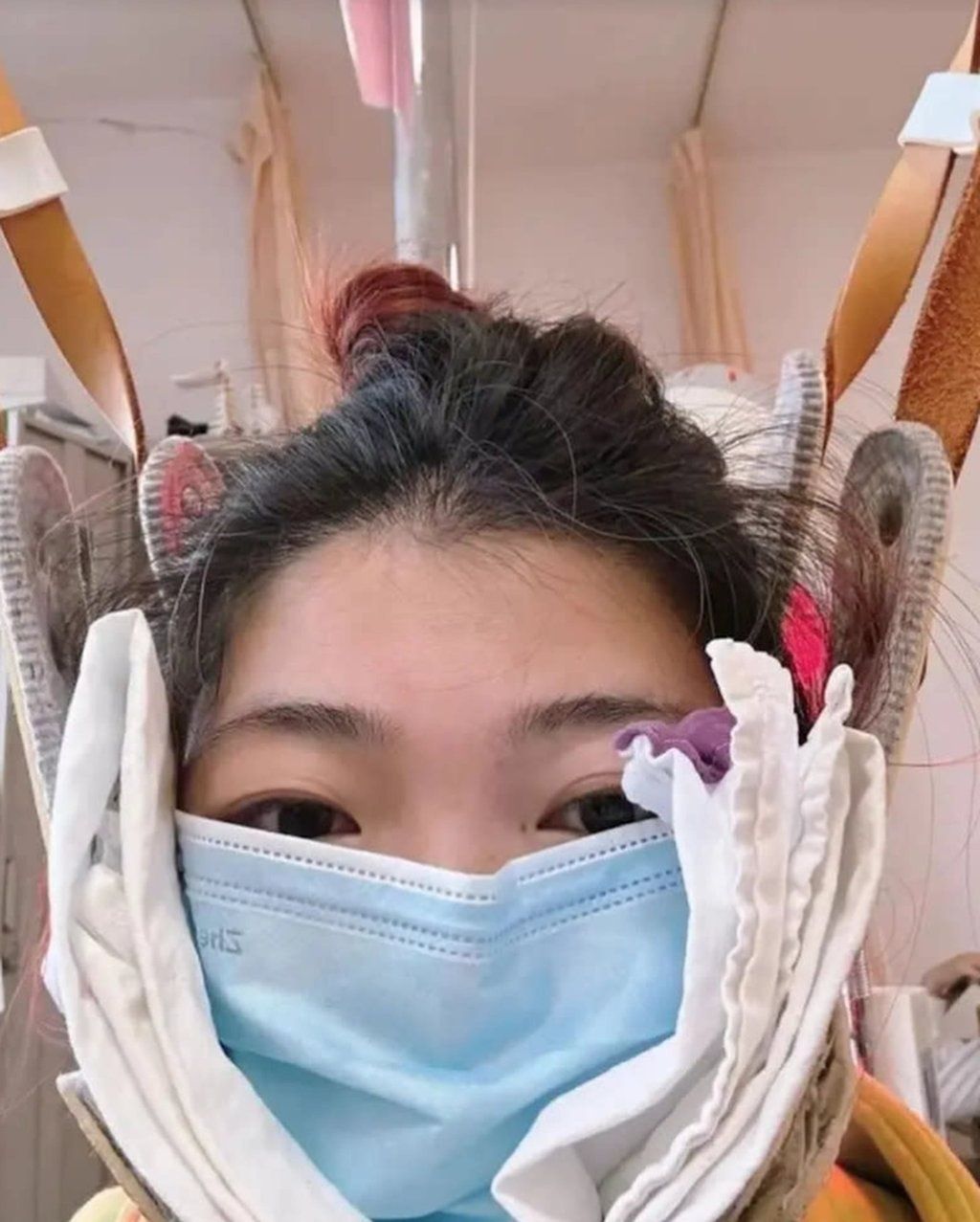
Many believe that this mimics medical cervical traction therapy, helping to relieve neck pain and provide therapeutic benefits.
A 57-year-old man surnamed Sun from Shenyang, Liaoning province, in northeastern China, said he had suffered from various cervical spine issues and claimed that a traction device he designed helped relieve his condition and ease neck and shoulder pain.
However, in a tragic incident in May 2024, another 57-year-old man, Yang Xu, in Chongqing, southwestern China died of suffocation while attempting the exercise.
Experts warn that the “neck-hanging exercise” is fundamentally different from professional cervical traction treatment.
Proper cervical traction is performed under medical supervision, with precise control over angle, weight and duration.
The traction force is typically around 10 to 15 per cent of a person’s body weight and the patient remains stationary throughout the process, with adjustments made based on individual conditions.
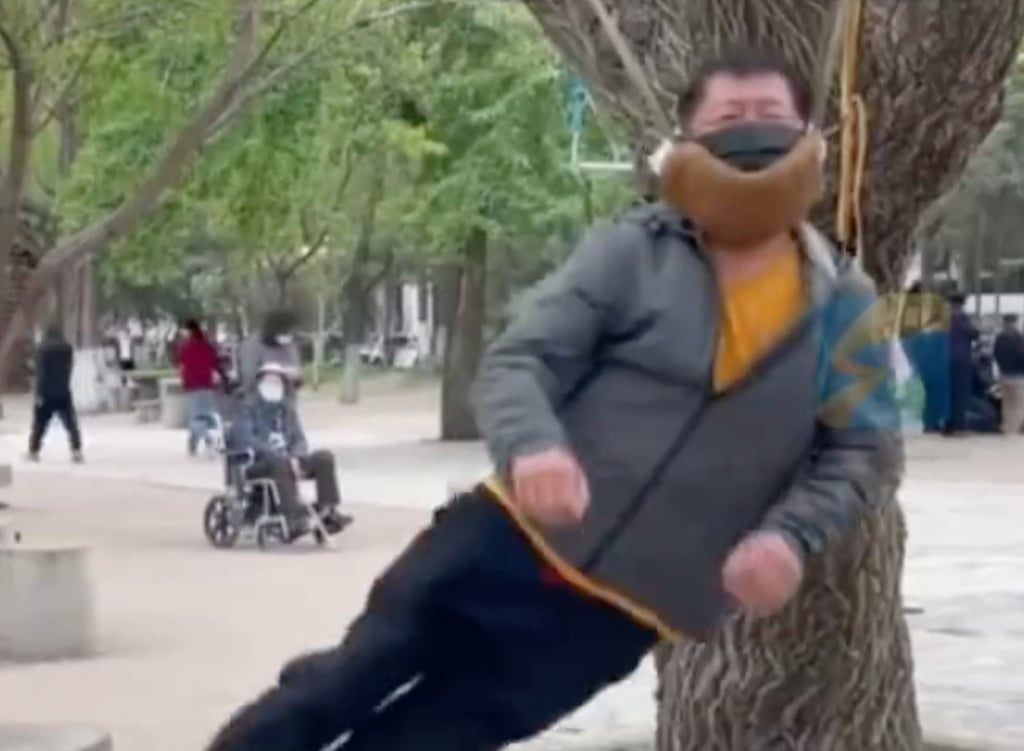
In contrast, this so-called neck-hanging exercise often involves suspending the entire body weight from the neck, accompanied by swinging or twisting movements, which can easily cause sudden cervical dislocation or even fractures.
Shen Ya, a senior therapist from the Department of Rehabilitation Medicine at the Air Force Hospital of the Eastern Theatre Command, further explained to Litchi News: “Performing heavy suspension in an uncontrolled state can easily stimulate blood vessels and nerves. In mild cases, it may cause dizziness and nausea; in severe cases, it can lead to spinal cord injury or even high-level paralysis.”
The practice has also terrified many Chinese netizens.
One person said: “It is honestly terrifying. My blood freezes just watching it.”
Another said: “Just hearing about this neck-hanging exercise sounds scary. Risking your long-term health for momentary relief is simply not worth it.” -- SOUTH CHINA MORNING POST