WHILE Perlis may be seen by some as a quiet state visitors simply pass through on their way to Thailand or Langkawi, its slower pace hides a growing range of experiences waiting to be explored.
From nature-based activities and lesser-known attractions to unique local products, the country’s smallest state is looking to offer visitors more reason to stay and explore.
These experiences are also being positioned as part of efforts to strengthen Perlis’ appeal beyond its perceived role as a transit point.
Malaysia recorded 74.7 million domestic visitors in the first quarter of 2026, representing a 7.2% increase compared with 69.7 million during the same corresponding period last year.
According to data from the Statistics Department, Perlis recorded 3.7 million domestic visitors in 2025, compared with 3.2 million in 2024.
Tourism Malaysia said unique, experience-based activities in Perlis could attract more domestic visitors, boost the local economy and raise the state’s profile during Visit Malaysia 2026-2027.

“We highlight Perlis’ special features, particularly nature, when promoting the state to people in urban places such as Kuala Lumpur and Selangor.
“Places such as Gua Kelam, the padi fields, local food and culture offer experiences that people in the big cities may not get to enjoy.
“The tranquillity of Perlis is also something we want to highlight to tourists,” he told reporters during the “Cuti-Cuti Malaysia Surreal Experiences Perlis” media familiarisation trip organised by Tourism Malaysia.
He said the state could also capitalise on what it already has.
“Compared with other places, Perlis may not have theme parks or big malls, so we have to work with what is already here.
“Local communities can also come up with creative ideas to turn existing places into new attractions, as seen in places such as Kampung Wai.”
Abdul Hadi said local cottage industries, including belacan-making, could also be incorporated into Perlis’ tourism offerings to cater to travellers increasingly seeking hands-on experiences.
“Tourists today are not just interested in sightseeing.
“They want to experience things themselves – to touch, feel and try.
“Traditional businesses offer experiences that may not be available elsewhere, and that is what we shall highlight,” said Abdul Hadi.
According to Tourism Malaysia, the five most-visited Perlis destinations among local visitors are Arked Niaga Padang Besar, Wang Kelian Viewpoint, Taman Eko Rimba Bukit Ayer, Padang Waremart and Medan Ikan Bakar Kuala Perlis.
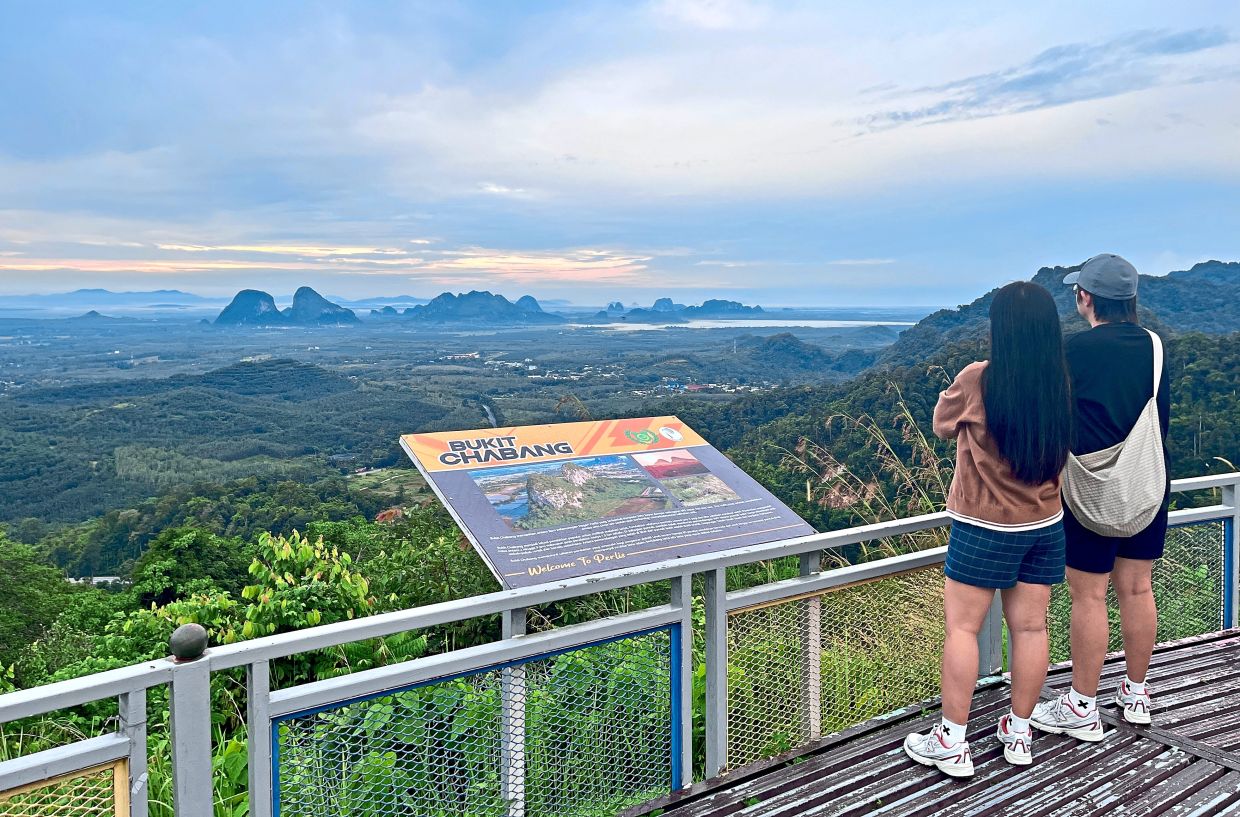
Wang Kelian Viewpoint
Located in Compartment 5 of Mata Ayer Forest Reserve within the Perlis State Park, Wang Kelian Viewpoint in the small town of Kaki Bukit offers sweeping views of the surrounding landscape.
Visitors are advised to arrive before dawn to watch the sunrise, with the first streaks of light breaking over the horizon and sea of clouds below.
Admission is RM2 for Malaysian adults and RM5 for non-Malaysian adults.
Padang Besar
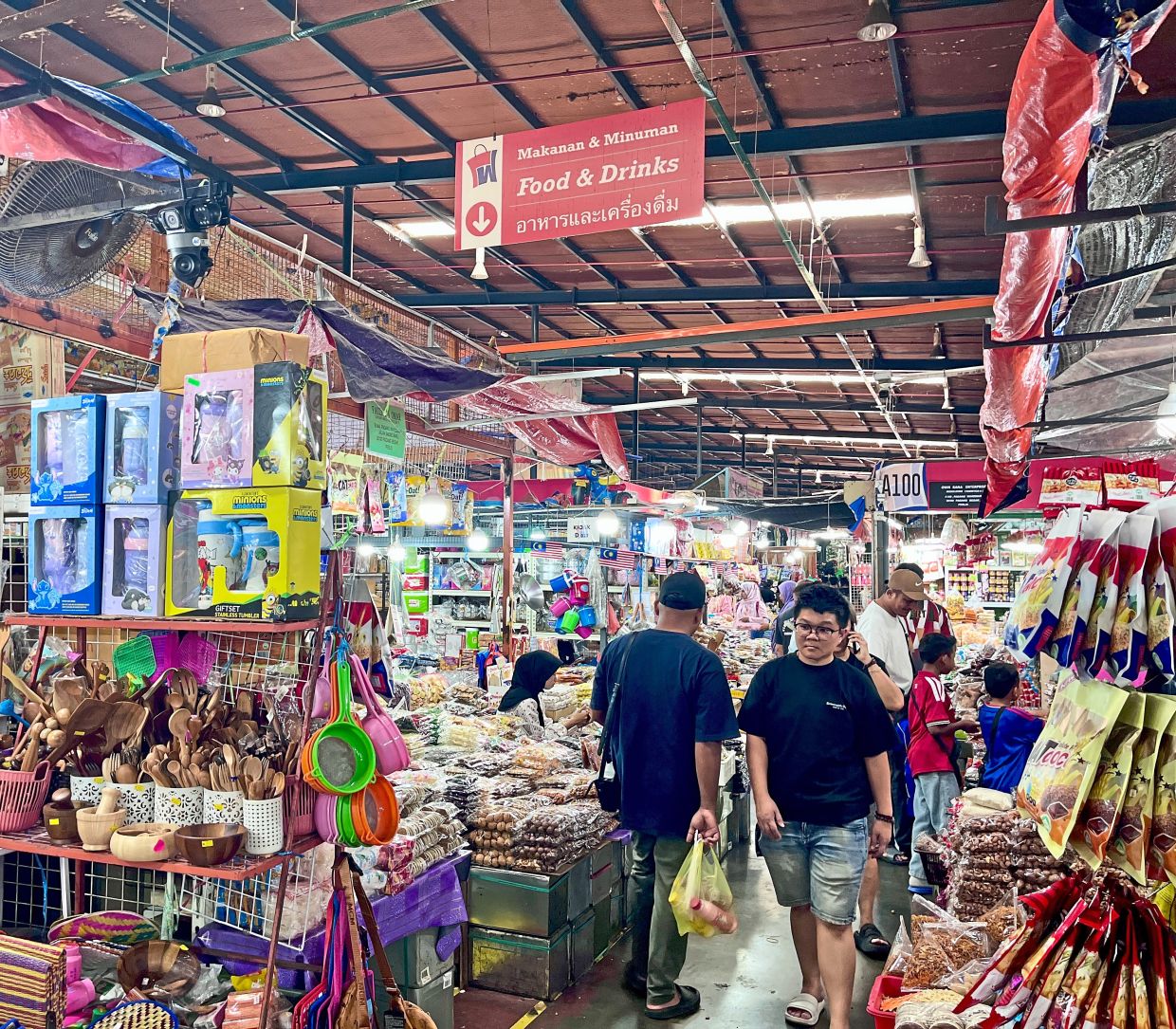
Located on the Malaysian-Thailand border, Padang Besar is a small town known for its cross-border shopping.
Its location brings together traders and products from both Malaysia and Thailand, giving visitors the chance to browse a mix of goods from both nations.
Among the main shopping areas are Arked Niaga Padang Besar, Padang Besar Street (formerly known as Pavilion), Padang Waremart and Plaza Niaga Padang Besar, where visitors can find clothing, food, household items and other everyday goods.
Padang Besar is also a gateway to Thailand by road and rail.
Travellers often stop here before continuing to destinations such as Hat Yai, with the railway station providing a convenient link across the border.
Gua Kelam
Set within Wang Mu Forest Reserve, Gua Kelam in Kaki Bukit provides an insight into Perlis’ rich limestone landscape and mining past.
The cave’s name, which translates to Cave of Darkness, is divided into two sections – Gua Kelam 1 and Gua Kelam 2.
Gua Kelam 2 offers wet and dry trails through the limestone cave, where visitors can see remnants of tin mining activities dating back almost a century.
Among the highlights are old trolley tracks once used to transport mined ore, a clear Blue Pool and striking limestone formations.
The cave walls also bear markings believed to reflect the lives of miners who once worked there.
Another curious feature is the Pyramid, a limestone arrangement resembling a pyramid that is believed to be the burial site of a miner, possibly someone of importance within the mining community.
Kg Warna-Warni Kuala Perlis
Once heavily reliant on the sea for their livelihoods, the 3,000 residents of seven villages in Kuala Perlis have found new income opportunities through community-based tourism.
The transformation programme, the brainchild of Raja Muda of Perlis Tuanku Syed Faizuddin Putra Jamalullail, was launched in 2020.
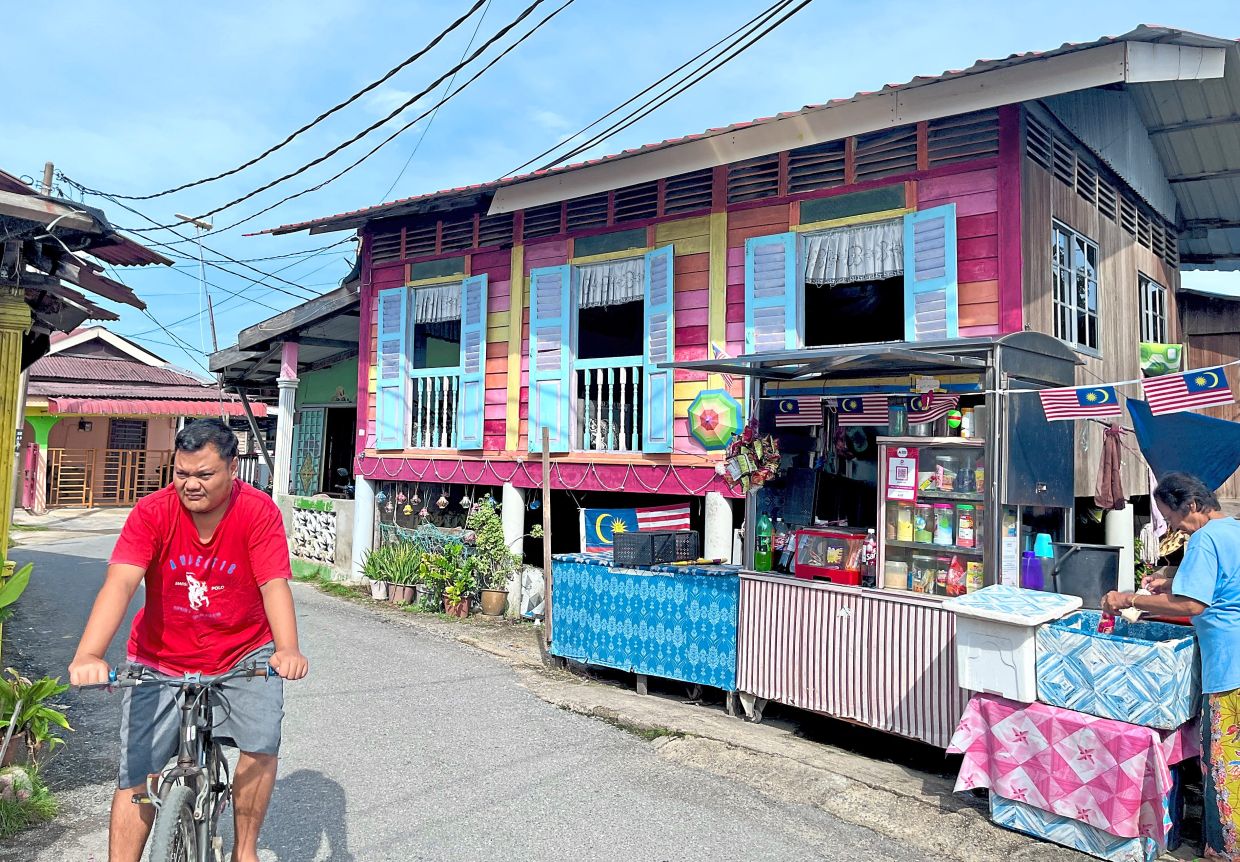
The initiative revived the fishing villages with colourful traditional houses and landscaped gardens.
Kampung Warna-Warni Kuala Perlis, also known as Kampung Warna-Warni Seberang Ramai, offers visitors choley motorcycle (Thai-style three-wheeled motorcycle) rides and traditional snacks too, giving residents new income streams beyond fishing and seasonal work.
Kampung Wai
When severe floods hit Perlis in 2010, nearly half the state was submerged, affecting more than 63,000 people and causing about RM200mil in losses.
The disaster led to the construction of the 22.8km Western Flood Diversion Canal, including a 765m-long tunnel through Banjaran Nakawan.
Today, the flood mitigation canal has taken on a second life as a tourism attraction at Kampung Wai in Kuala Perlis.
Visitors can kayak or take a boat, operated by Perlis Eco-Tourism and Recreation Club, through the passage and along a 3km waterway.
The journey offers views of limestone formations believed to be more than 500 million years old, surrounded by tropical greenery.
Guide Muhamad Hairie Akif Shahrun Anuar, 27, said there were typically 50 boat trips a day, with the number doubling on weekends and public holidays.
He said the growing popularity of the attraction had also indirectly created opportunities for locals to earn an income, including through food kiosks.
FRIM Research Station
Established in 1974, the Forest Research Institute Malaysia (FRIM) Perlis station is located in Kaki Bukit, within the 455ha Mata Ayer Forest Reserve.
It serves as a reference centre for the establishment and management of teak plantations.
Teak planting at the site began in 1953, and today the station is home to about 4,000 mature trees.
Perlis accounts for more than 400ha of Malaysia’s estimated 2,000ha of teak plantations.
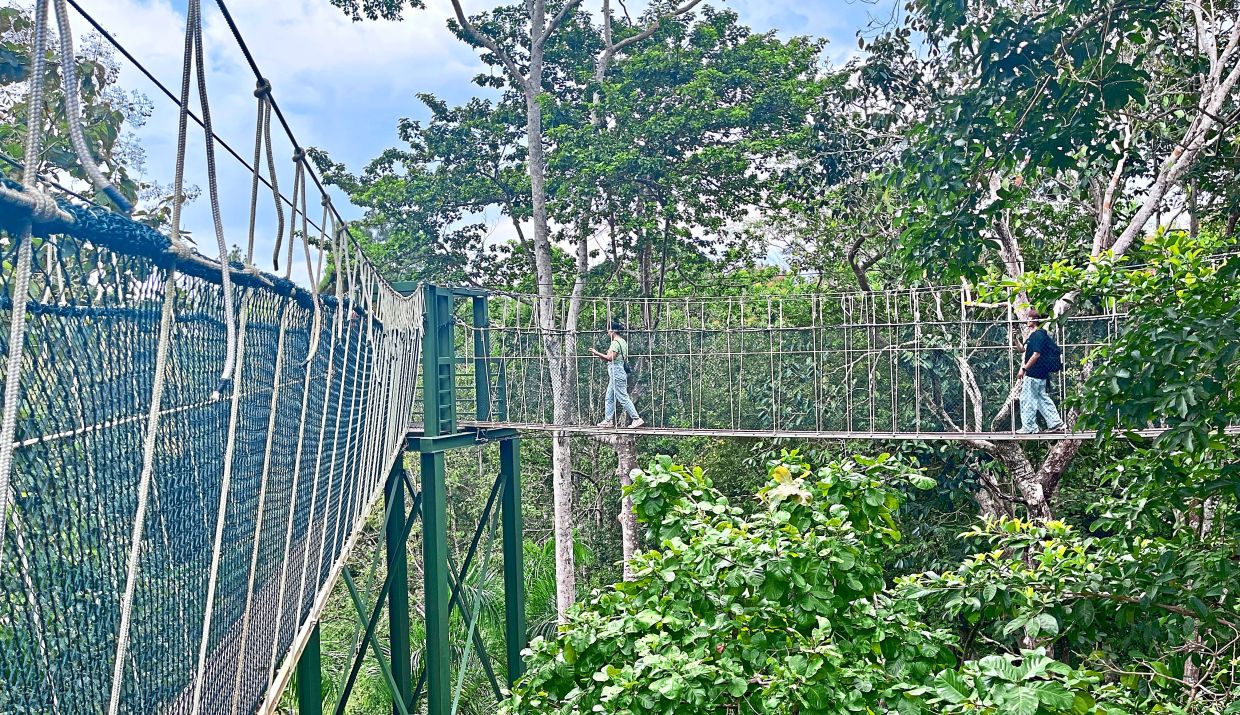
Beyond research and forestry, the station also offers opportunities for ecotourism and environmental education, with facilities including accommodation, campsites and a 100m-long canopy walk built in 2011, standing 18m above the ground.
The canopy walk offers visitors a different perspective of the teak plantation and surrounding forest landscape.
Muzium Kota Kayang
Opened to visitors in September 2001, Muzium Kota Kayang in Kuala Perlis showcases Perlis’ royal, historical and cultural heritage through artefacts displayed across six galleries.
Museum assistant Yusuf Abdullah said the museum stood on what was believed to have been a royal palace complex.
Evidence of the area’s historical significance includes the nearby tomb of Sultan Dhiauddin Al-Mukarram Shah, the 15th Sultan of Kedah.
“The two-year excavation from 1997 to 1998 unearthed the site of a former palace known as Kota Indera Kayangan, where the Kedah-Perlis royal family used to reside,” said Yusuf.
“Research on the excavation site also revealed that more than 350 years ago, a river flowed into the area.
“However, its location has today shifted some 100m away from the museum building,” he elaborated.
The former excavation site has since been converted into a parking area, while artefacts recovered from the dig are preserved and displayed in the museum.
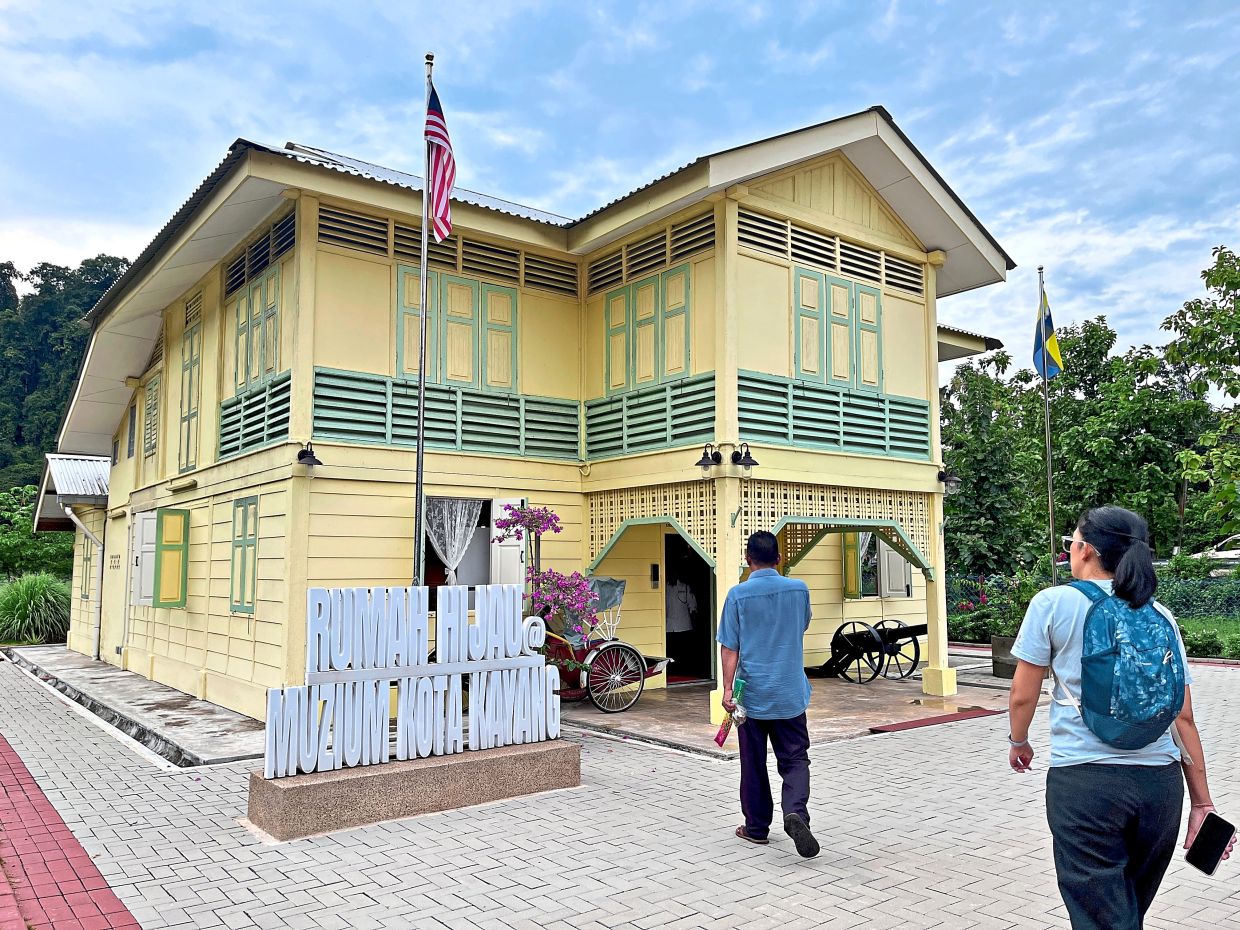
The grounds are also home to Rumah Hijau, the childhood home of Raja of Perlis Tuanku Syed Sirajuddin Jamalullail.
The more than 100-year-old traditional house was relocated from Arau to the museum grounds and is now preserved as an exhibition gallery. Admission is free.
Local flavours
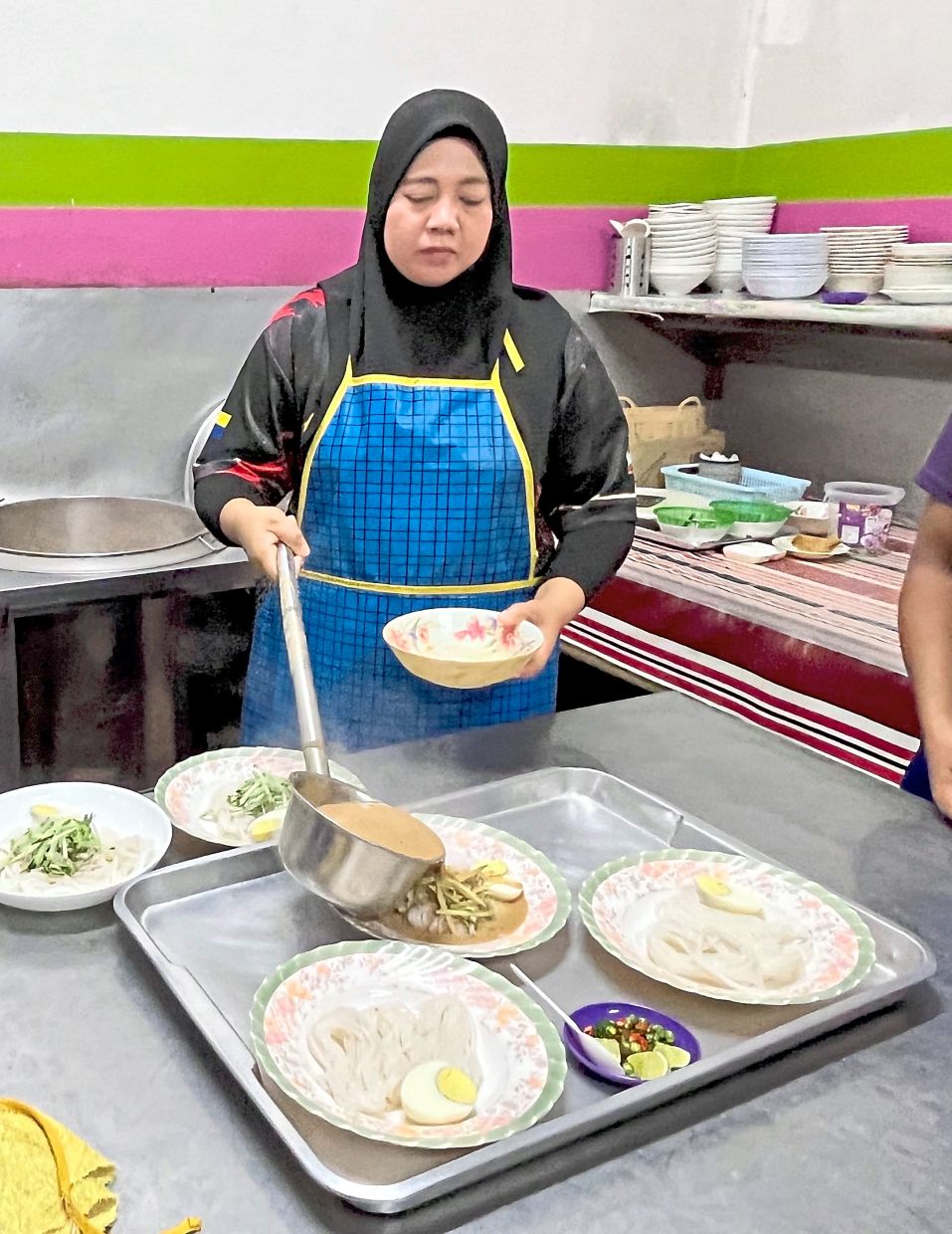
Among Perlis’ signature dishes is Laksa Perlis, which differs from versions found elsewhere.
Its broth is relatively thick and uses a generous amount of fish, giving it a lighter colour rather than the reddish hue associated with Laksa Kedah.
It does not contain coconut milk and is served with laksa noodles made from rice flour.
Another local favourite is ikan bakar (grilled fish), with a popular style being ikan bakar lemak – where the fish is often marinated with ingredients such as condensed milk, coconut milk or margarine, giving it a rich, slightly sweet flavour.