



PENANG police will roll out 38 initiatives throughout this month to turn crime and accident hotspots into safer places under the “Whitening The Black Spot” programme.
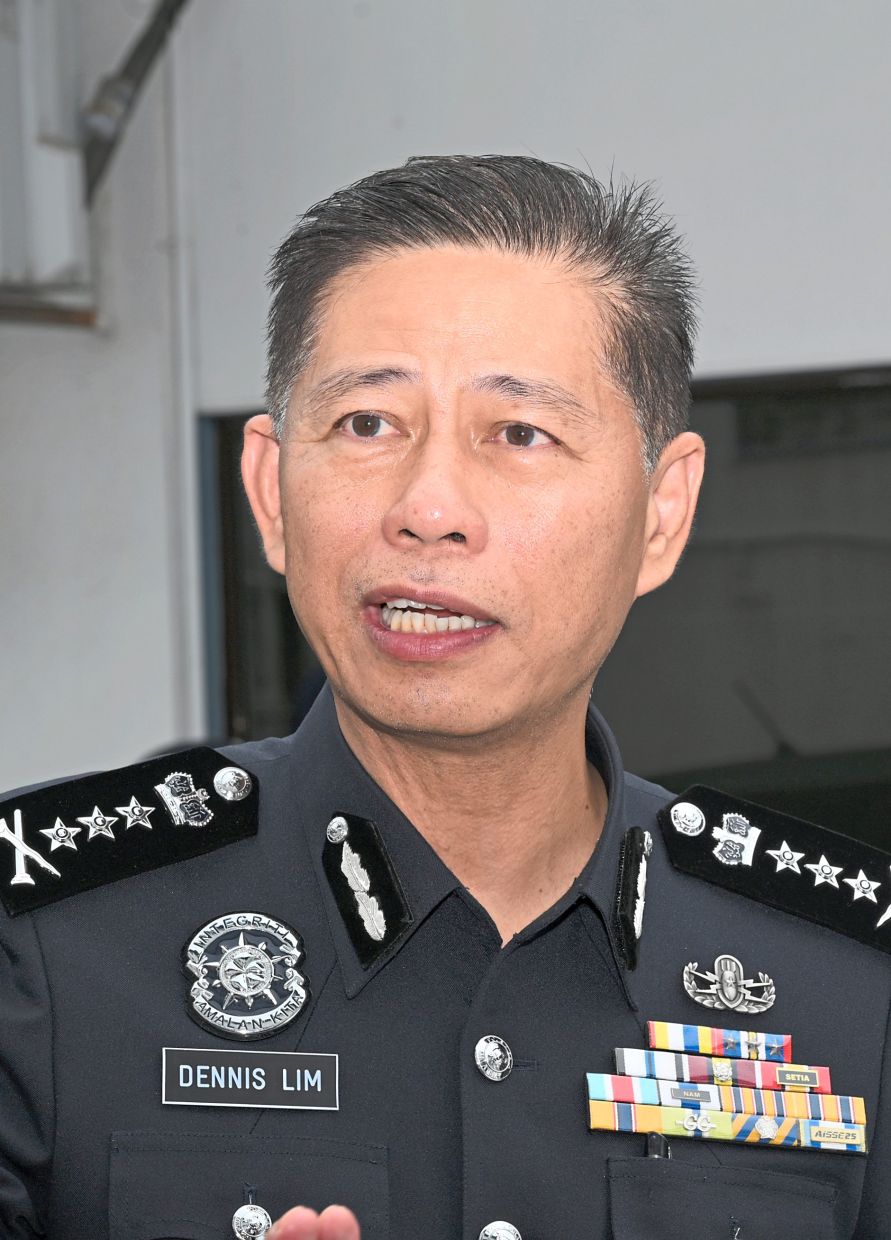
Penang police chief Comm Datuk Dennis Lim Kwang Keng said 14 programmes were planned for seven pilot locations.
They were Bukit Jambul, Sungai Nibong, Kampung Ujung Batu, Sungai Rambai, Pondok Upeh and Bukit Panchor.
He said the programme was aimed at reducing opportunities for crime and creating harmonious neighbourhoods.
“We want to turn these areas around.
“We want to make them clean and orderly, with proper lighting so the public, especially children, can use them without worrying about safety,” he said at the programme launch in the Penang International Convention, Cultural and Arts Centre (Picca).
Comm Lim said these hotspots were areas with a high rate of crime and traffic accidents.
“We have five approaches, namely crime prevention, enforcement, environmental safety improvements, community programmes and safety education.”
The police, he added, held town hall sessions and public engagement before drawing up the initiatives and developing solutions tailored to each area.
He said the programme also adopted the “broken window theory”, adding that abandoned buildings may be frequented by drug users, while poorly maintained recreational areas without proper lighting could make residents feel unsafe.
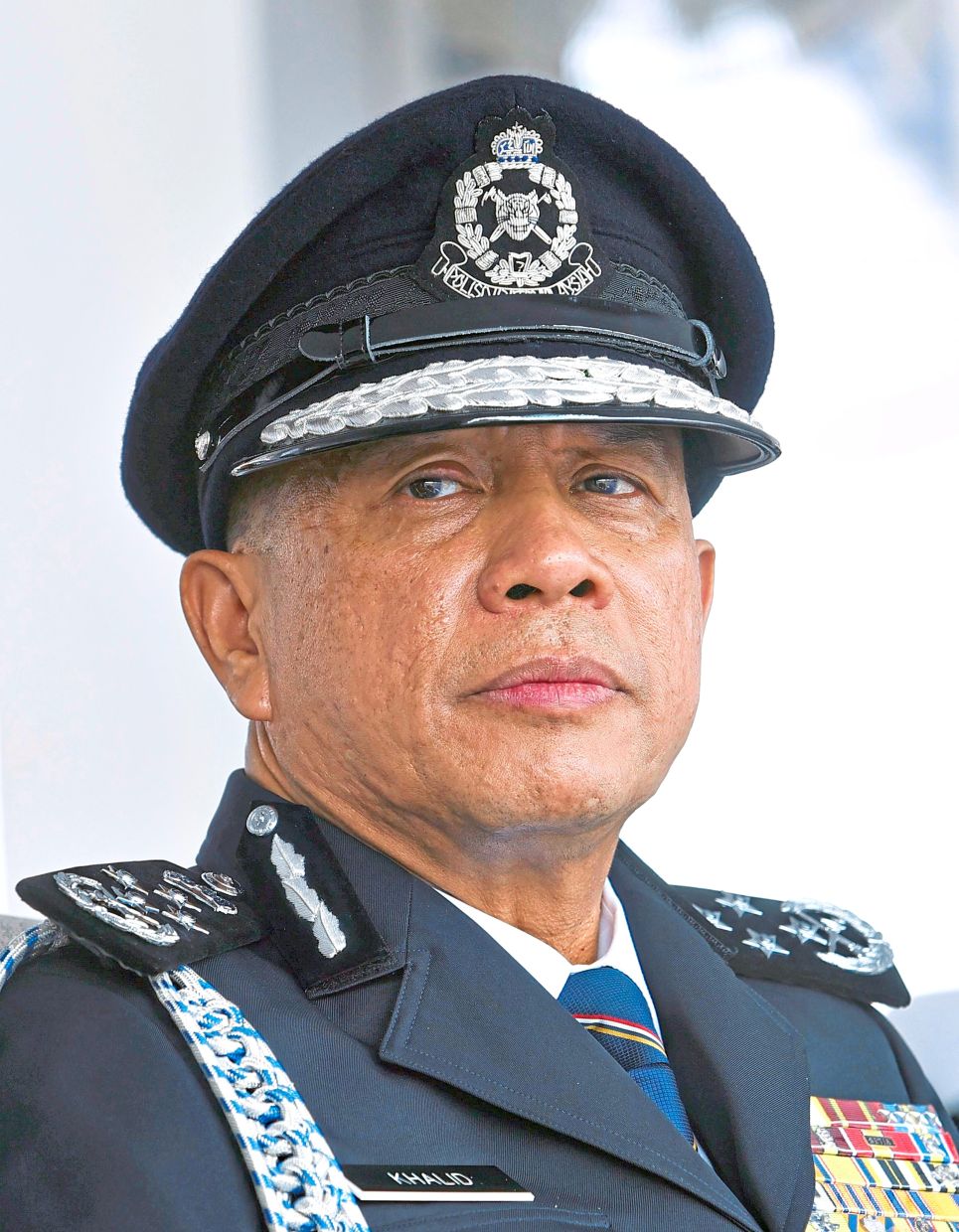
Inspector-General of Police (IGP) Tan Sri Mohd Khalid Ismail who was present at the launch of the programme said the initiative involved cooperation between 41 government departments and agencies, local authorities, private sector groups and community.
Penang is the first state to implement the programme that will be implemented in other states in stages.
“We will go to every district, hold public engagement and town hall sessions, listen to problems and try to resolve them with the cooperation of all the agencies involved, as well as non-governmental organisations and local leaders,” he said.
Mohd Khalid said the police would use crime data, hotspot mapping, intelligence and crime trends to identify areas requiring intervention and ensure patrols and other preventive measures are better targeted.
“We cannot wait for crime to happen before taking action.
“The principle is clear, prevent before it becomes worse.
“We need to identify risks early and act before threats become bigger,” he said.
Mohd Khalid said the programme was not merely an enforcement operation, but includes patrols, focused operations, closed-circuit television (CCTV) camera improvements, gotong-royong activities, community programmes, safety education and social interventions.
The approach, he said, was based on the principle that a clean, well-maintained environment with proper lighting and surveillance could help reduce opportunities for crime.
“The police cannot carry out the safety agenda on its own.
“The success of this initiative requires close cooperation between the police, government agencies, local authorities, the private sector, community organisations and society,” he said.
Also present at the ceremony was Bukit Aman crime prevention and community safety department (JPJKK) director Comm Datuk Noor Hisam Nordin.

