FOR 82-year-old Janakee Palani, a discarded plastic bottle is never just rubbish – it is a resource worth saving.
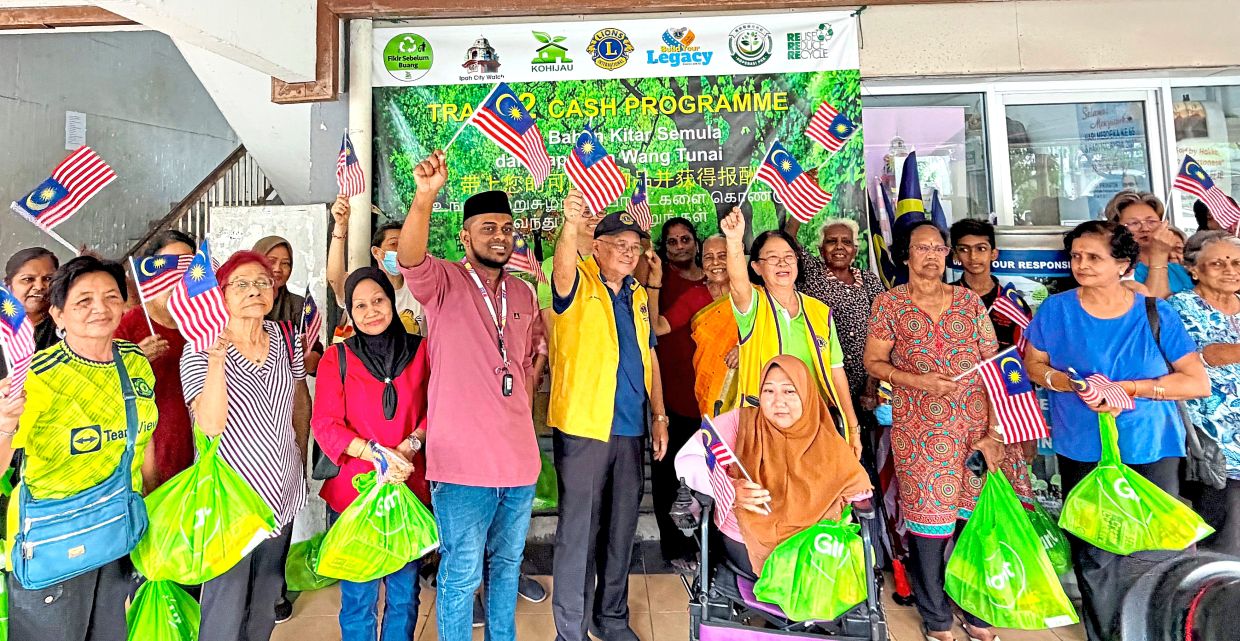
The restaurant server was among dozens of Ipoh residents who lined up at the Kinta Heights Flats during the Merdeka Trash4Food event, trading everyday household waste for essential kitchen staples.
Organised by Koperasi Alam Hijau Perak Bhd (Kohijau), Ipoh City Watch (ICW) and the Lions Club of Perak Silver State, the initiative encouraged residents to build sustainable habits by offering RM30 worth of groceries in exchange for recyclable items.
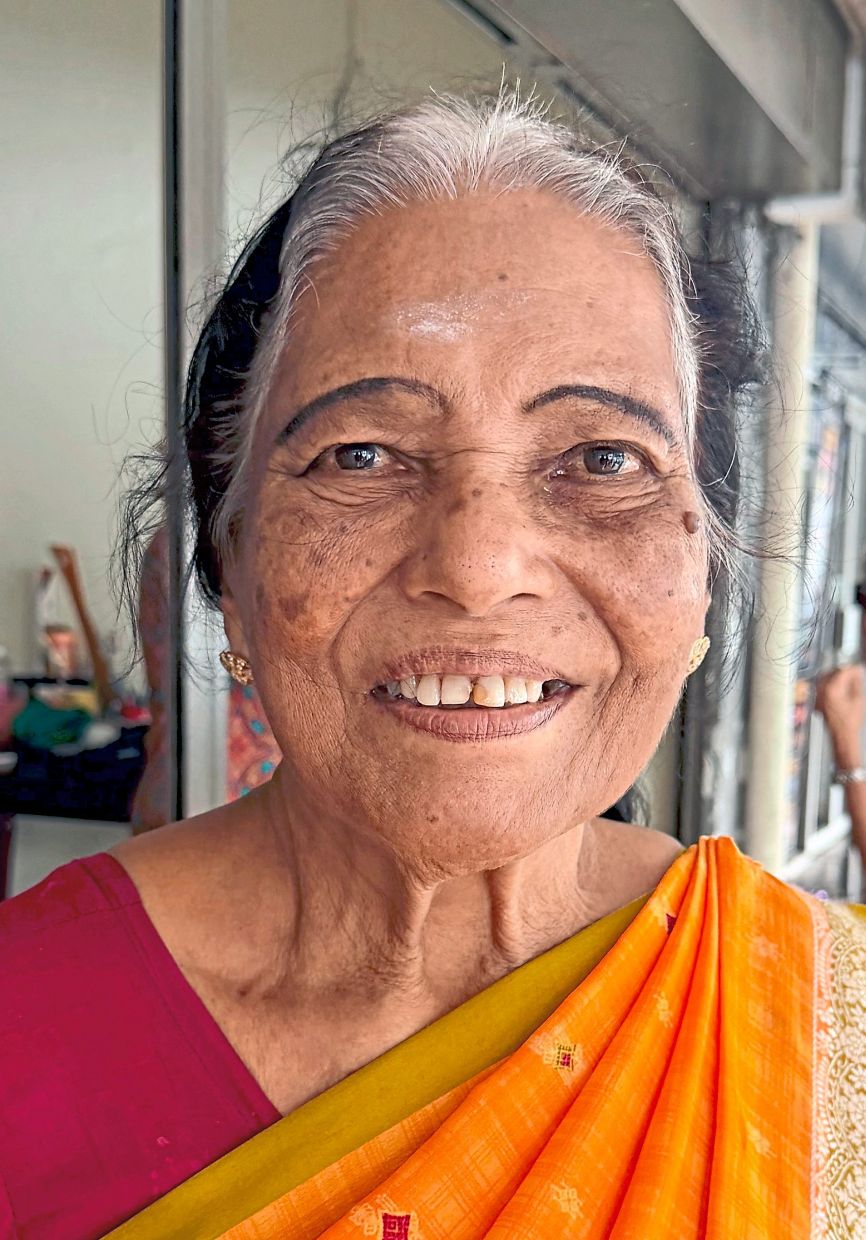
“I gather items, especially plastic bottles, to hand over at recycling programmes whenever I can,” she said.
“I am glad we can receive groceries in exchange,” she said.
She noted that many people still lacked awareness about waste segregation.
“They simply bundle everything together and throw it into the rubbish bin,” said Janakee.
More effort, she said, was needed to educate people about recycling.
“Recycling should become a normal part of everyday life rather than something people do only during campaigns.
“If everyone practises recycling, only then can we have a cleaner city and a cleaner environment.
“We should not be throwing things into rivers or leaving rubbish everywhere.
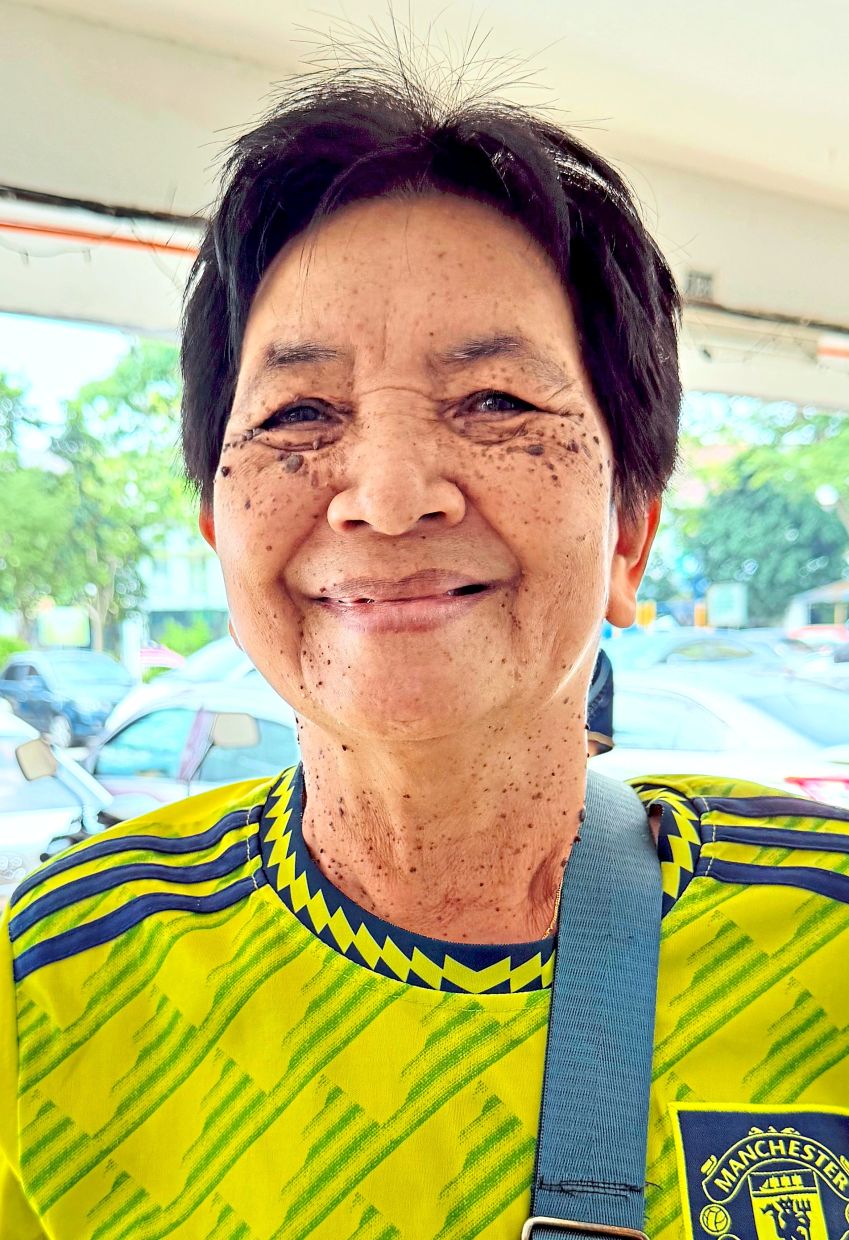
For 70-year-old retiree Sufiah Taiz, the process begins with simple household habits.
She collected roughly 20 bottles for the latest drive.
“I drink mineral water every day, so I always collect the bottles,” said Sufiah.
“My message to the public is to learn how to recycle.
“Keep a separate bin or container at home for bottles, paper and other recyclables, and dispose of them accordingly.”
Cardboard money
For others, recycling provides a modest financial boost.
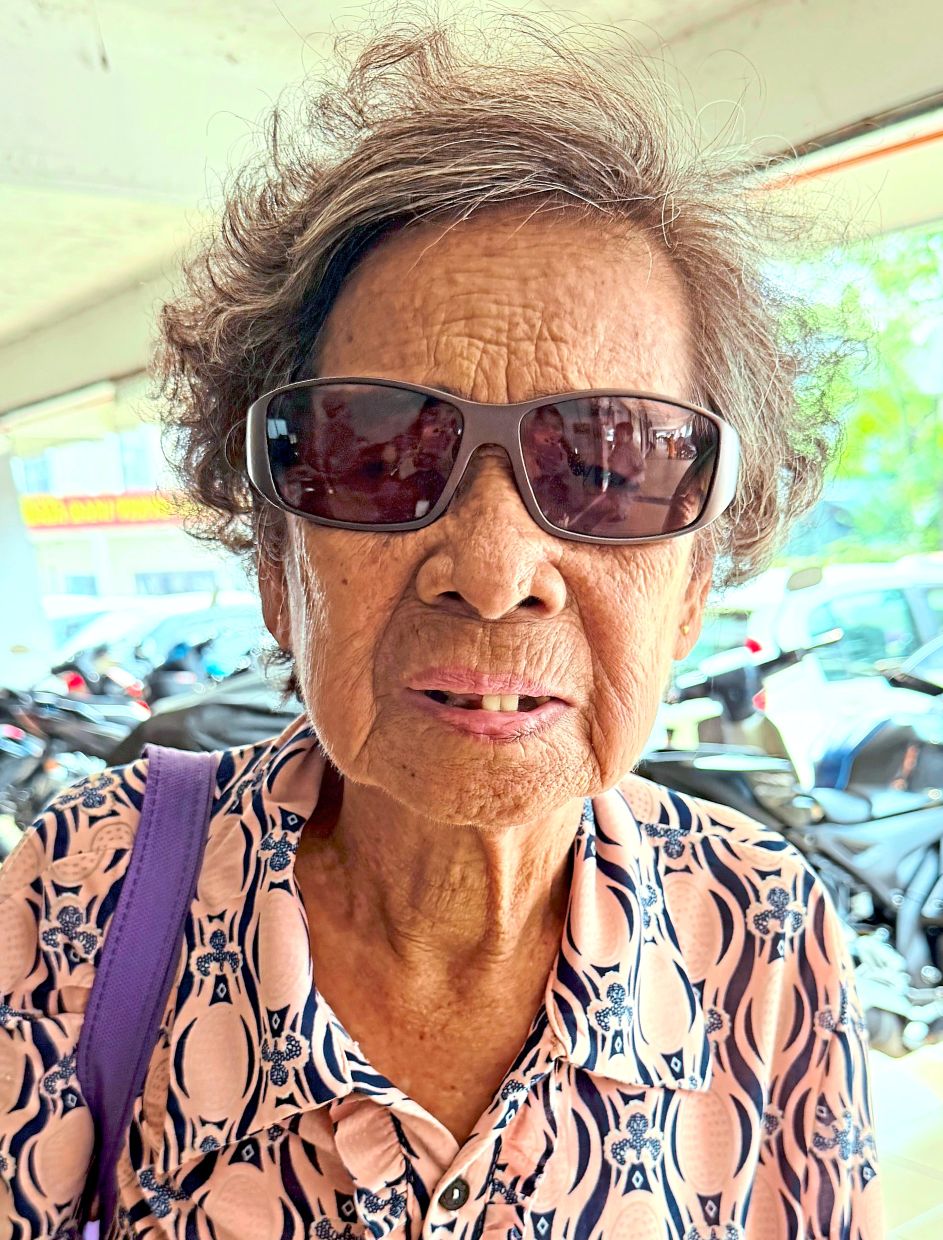
“Cardboard fetches about 30sen per kilogramme, so I collect and sell it,” said Yong.
“Even earning RM300 a month is not easy, so every little bit helps.
“It also keeps the environment clean and stops things from simply being thrown away.”
Tailor M. Loganayagi, 81, said she was very happy to play a part in keeping the environment clean while also receiving something useful in return.
“Instead of throwing plastic bottles away, I would collect them for recycling events such as this programme.
“In return, they offer groceries, which help people in need.
“This is a very good initiative and I hope that more programmes like this will be organised in the future,” she added.
The incentive scheme also successfully reached first-time recyclers.
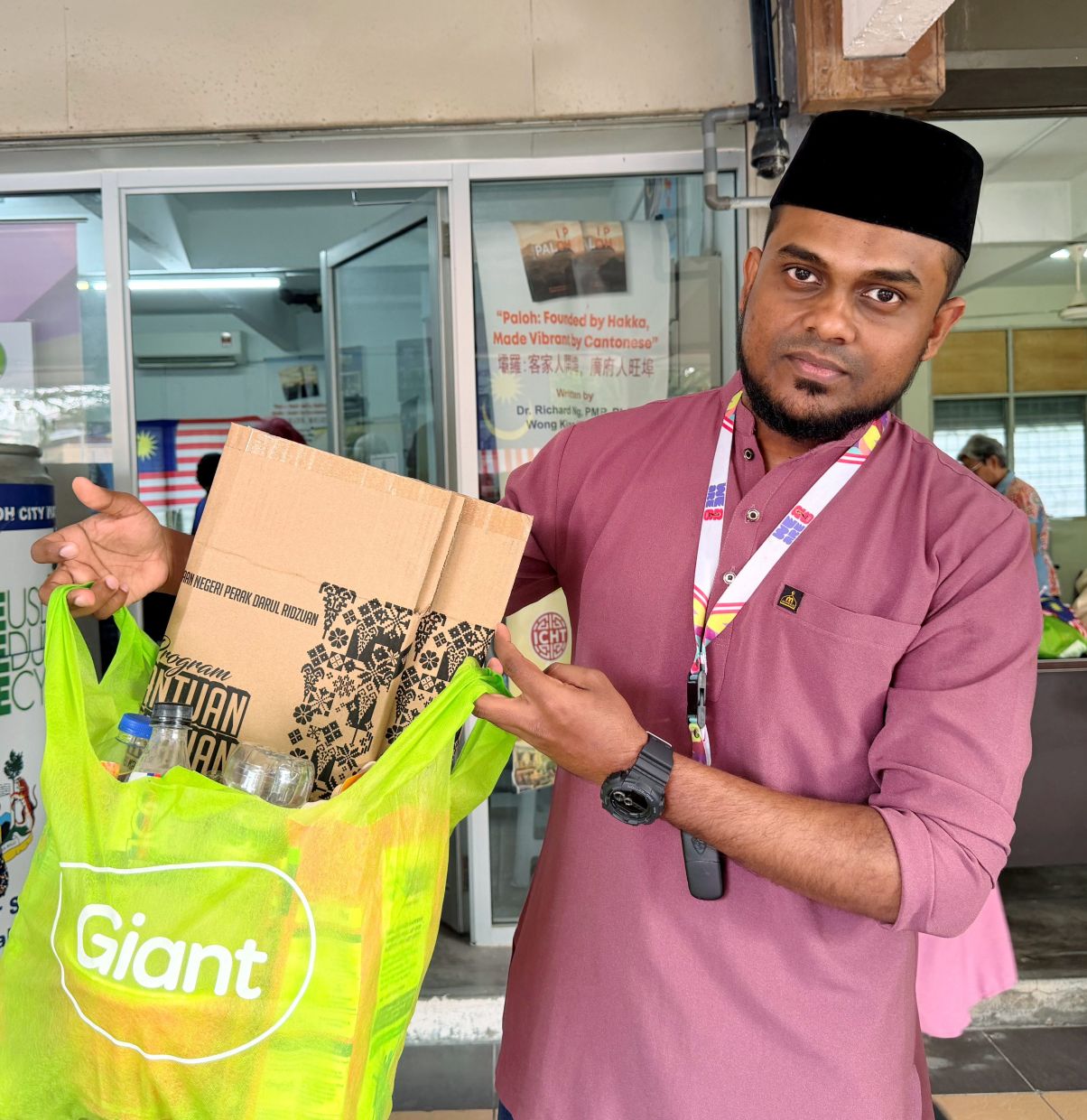
Phone shop operator Kamarul Zaman Jahan Khir, 36, brought in over 500g of waste paper and plastic.
“I did not recycle much before this, but joining this programme made me more aware of its importance,” he said.
“With initiatives like this, residents realise they shouldn’t just throw rubbish everywhere. I will definitely continue doing it,” added Kamarul.
Tailor M. Sumathi, 48, said the scheme provided a practical incentive for families, adding that she was already saving items for the next drive ahead of Deepavali.
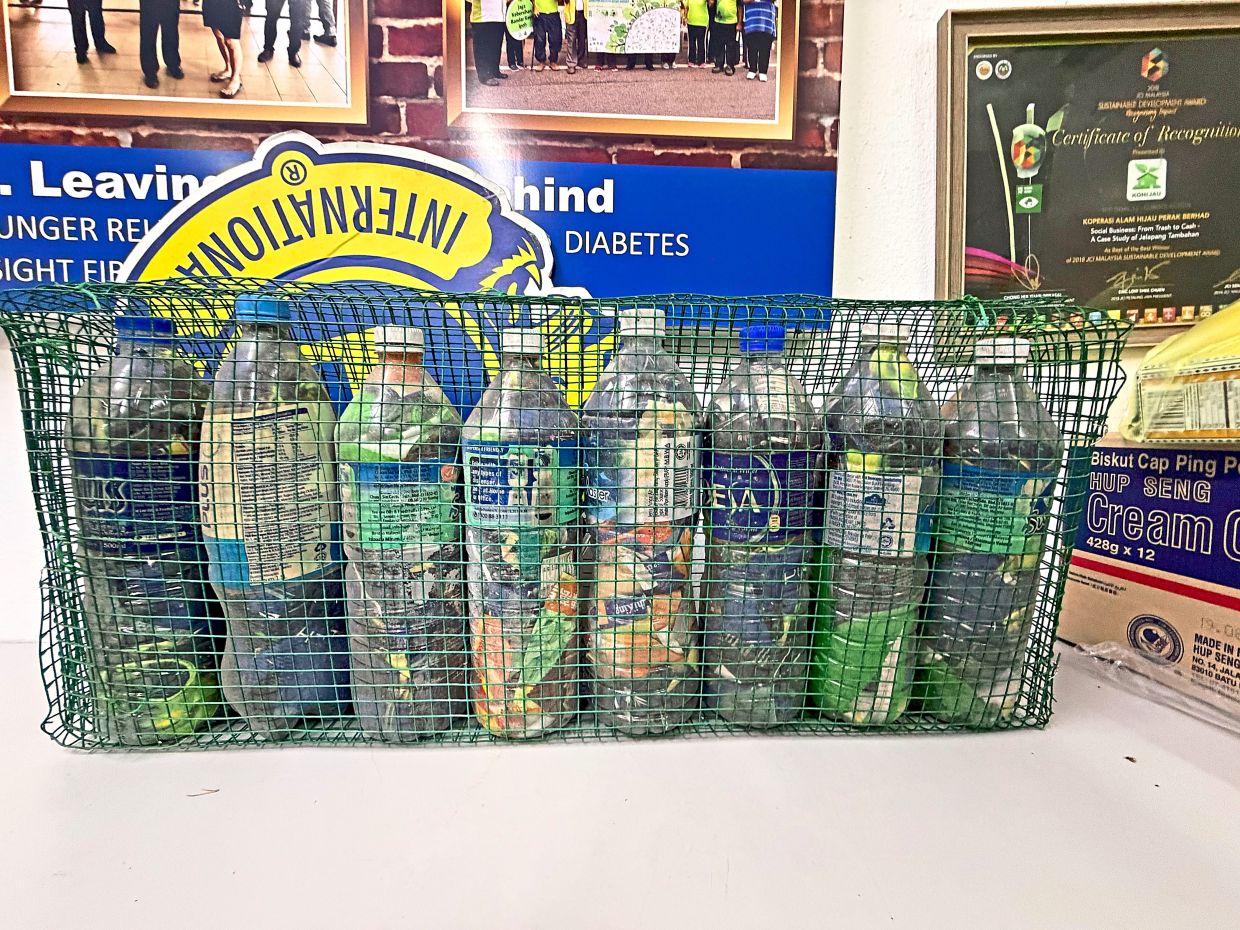
Sumathi was also impressed by the event’s demonstration on how to turn plastic waste into eco-bricks – a plastic bottle packed solid with clean, dry, non-recyclable plastic waste to create a reusable building block.
“Instead of throwing plastic away, we can collect it inside bottles to make eco-bricks,” she said, “it is a smart idea that keeps the environment clean.”
Changing mindsets
Ipoh City Watch president Dr Richard Ng, who was at the programme, said the single-day event collected around 50kg of recyclables, including plastic bottles and cardboard.
Approximately 35 coupons were issued, allowing participants, most of whom live in Kinta Heights Flats, to trade their collected plastics, paper, cans and used cooking oil for basic provisions such as biscuits, instant noodles and moringa tea.
He said the “Trash4Food” programme had previously paid residents based on the type and amount of recyclable items they brought in.
However, the monetary returns were relatively small, making a shift to the current approach of exchanging recyclables for basic groceries instead.
He wanted to help people with groceries but also believed that such assistance should come with an environmental purpose.
“So I thought why not give people food, but in exchange they have to bring recyclable items?
“The objective is to change people’s mindset about recycling,” he said.
Ng said the new approach allowed the organisers to help residents with their daily household needs while ensuring that the assistance also served an environmental purpose by encouraging people to recycle.
“We educate the residents to practise recycling because before this initiative was introduced, some residents used to throw rubbish indiscriminately, causing the area to become dirty and smelly.
“So, regardless of how much recyclable waste they bring, we will provide them with basic food items,” he said.
Low adoption rate
On recycling habits among Ipoh residents, Ng said it remained strikingly low, with the local adoption rate estimated at under 20%.
“I think in Ipoh, the recycling habit is less than 20% – maybe around 15%.
“It also depends on whether it is an urban or rural area.
“In urban areas, the recycling rate is higher, whereas in village areas, you can see rubbish simply discarded in drains as you walk by,” he said.
Ng pointed to a standard plastic mineral water bottle as a clear example of how public perception of everyday items needed to shift.
“When you buy a bottle, it starts as a drink. Once empty, it becomes rubbish in most people’s eyes. Instead of throwing it away, it should be recycled,” he said.
He suggested turning discarded bottles into eco-bricks by stuffing them with non-recyclable plastic waste, creating durable materials for local community projects.
“We can use eco-bricks for landscaping, as plastic takes up to 500 years to decompose.
“At the flats, for instance, seven eco-bricks can be bound, painted and used as a small garden fence to beautify the surroundings.
“Future generations will see how discarded materials can be transformed into something creative and useful,” said Ng.
He also urged residents to stop throwing away paper waste, such as leaflets, reading materials, and commercial brochures, recommending that households collect them in dedicated recycling boxes instead.
“Even small actions can make a genuine difference,” he added.
Ng began driving recycling initiatives in the area in 2021 after being shocked by the severity of local littering.
“What moved me was seeing a tree along the street draped in plastic waste when I first arrived,” he said.
“People were even throwing rubbish directly from the upper floors of the flats. That situation prompted me to find ways to encourage residents to keep their surroundings clean.”
He relies on behavioural psychology to drive lasting change across the neighbourhood.
“The theory of planned behaviour suggests that people observe what others do,” Ng said.
“Once they see a clear benefit, they learn and emulate the action, gradually building a permanent habit.”
He encouraged other non-governmental organisations and community groups to roll out similar initiatives to keep environmental responsibility at the forefront of public consciousness.
“Many NGOs have great ideas to execute,” he said.
“Regular activities ensure recycling remains on people’s minds, rather than being a topic brought up solely during formal environmental campaigns.”
The Ipoh City Watch recycling drive takes place several times a year, particularly ahead of major festive celebrations.
The next collection drive is planned for the Deepavali period.