
A NUMBER of Ipoh-based animal welfare organisations are reaching breaking point as they fight to keep stray dogs out of the city pound.
Rescuers face overwhelming financial and emotional strain as they attempt to keep pace with dog-catching operations while scrambling for funds to get nabbed animals out before they are euthanised.
Ipoh Society for the Prevention of Cruelty to Animals (ISPCA) president Ricky Soong said shelters run by non-governmental organisations (NGOs) were at their absolute limit and could not take in more animals.
“Rescuers are also struggling to rehome dogs that they managed to get released from the local councils,” he said, noting that rescuers were constantly receiving messages to rehome pets abandoned due to old age or owners no longer wanting them.
Financial strain
Ipoh Animal Welfare Society president P. Jassica Morris revealed that her organisation spent approximately RM103,900 between July last year and this year solely to get dogs released from the pound.

Ipoh City Council (MBI) levies a RM250 fee per dog.
“We are given a RM50 discount within three days, but we have to fork out the full fee of RM250 per animal after that,” said Morris.
“By the time we pay to have a batch of strays released, the city council has already caught another group,” she said.
“It is really difficult for us to sustain this, and it is demoralising for us,” she said in a press conference.
“I do not know how much longer we, as animal rescuers, can last,” she added.
Morris said they would usually pay to get some 30 to 40 dogs released a week.
The financial burden does not end at the pound gates.
Rescuers must cover subsequent expenses for neutering, vaccinations, emergency medical care and transportation.
Once brought to overcrowded shelters, ongoing food and upkeep costs continue to stack up.
“When we bring them to our shelter, it incurs more costs for food and care,” said Morris.
“If we come to a point that we can no longer cope, what is the city council’s solution?

“How many dogs will be put to sleep?” she asked.
Policy shift
Morris suggested MBI allow some strays to be released in certain areas.
“We can house old, aggressive and problematic dogs in shelters,” she said.
“The friendly and non-aggressive ones should be allowed to be released.”
She noted that currently, dogs from the pound could not be released at the location where they were caught.
“We want to cooperate with MBI to handle the stray population in a humane way,” she added.
Dragnet
Pertubuhan Perlindungan Haiwan Terbiar Ipoh Perak (Furkids Haven) chairman Irene Boey, 72, said dog catchers usually grabbed any dog they saw on the street.
They catch up to 60 dogs a week, including those no one had complained about, she said.
“They will catch all dogs, regardless of whether there have been complaints,” she added.
Moh Mey Mei, a volunteer who takes care of strays in the Tasek and Klebang areas, said six dogs under her care had been put to sleep by the authorities.
She said the dogs were harmless but were still caught by enforcement officers.
“I hope the authorities will have better standard operating procedures,” she said.
Moh said mere “concern” about the dogs mentioned by someone − when there had been no complaints lodged or incidents of people getting bitten − should not warrant a dog-catching operation.
“I believe there should be proper complaint reports or photographs before such operations are held,” she said.
A proper mechanism was needed, she added, to allow the government and NGOs to coexist and work together to resolve the stray population issue.
Humane control
Moh believes the government should refocus on the trap-neuter-release (TNR) method along with vaccinating the animals.
TNR has been successfully implemented in Taman Ipoh Jaya by its residents.
Under the leadership of Ipoh Jaya Animal Haven president Rahman AC Din, the residential area has recorded zero newborn puppies since implementing TNR in 2020.
“We used to have six stray dogs in the area.
“We decided to do something before the population grew,” said Rahman.
“I went around the residential area and spoke to my neighbours about our intention to stop the dogs from breeding, and we pooled some money to neuter them.”
He said residents in other areas who wished to follow in Taman Ipoh Jaya folk’s footsteps would need to plan accordingly with like-minded folk.
“We started small, collecting RM10 from willing participants so they did not feel burdened.
“We then proceeded to catch, neuter and vaccinate the dogs.
“We first spayed the females, then we collected more money to neuter the male dogs,” he said.
“Of the six dogs that we have neutered, four remain, as two were caught by MBI enforcement officers.
“We are aware that new dogs are being dumped in our area, and we are still managing to control the population in a humane way,” he added.
News of their success quickly spread to nearby communities, prompting outreach from beyond their neighbourhood.
“We have received requests from residents in Ampang Baru and vendors at the Gunung Rapat public market to help manage their stray populations,” Rahman said.
His team has already neutered about 18 stray dogs and several cats around the market.
“We are transparent with our fund collection, as I lay it out on a chart showing the money we have received and what it has been spent on,” he added.
Cooperation needed
Rahman believes the TNR method should be reconsidered and adopted by the state government.
“We hope Ipoh City Council will sit down with us and discuss it.
“It is a proven and humane way of dealing with stray animals,” he said.
“Many countries in the world have adopted it, including the Netherlands, which has achieved ‘zero stray’ status.”.
Rahman added that other countries that had adopted such a method included Bhutan, Thailand and Turkiye.
Soong also said the state government and animal welfare NGOs must work hand-in-hand to tackle the issue.
He asserted that putting captured stray animals to sleep should not be viewed as the way forward.
State perspective
Perak local government committee chairman Sandrea Ng said the issue required a comprehensive and sustainable approach that combined responsible pet ownership, sterilisation, licensing, edu-cation and community participation.
She said the TNR method alone was found to be ineffective, as there were still high stray populations in certain areas.
The ongoing Perak Pawsitive Initiative, she added, was established to address root causes by promoting responsible pet ownership, licensing and subsidised neutering rather than just street release.
Ng reaffirmed the state’s commitment to handling the stray animal issue through these long-term and sustainable measures.
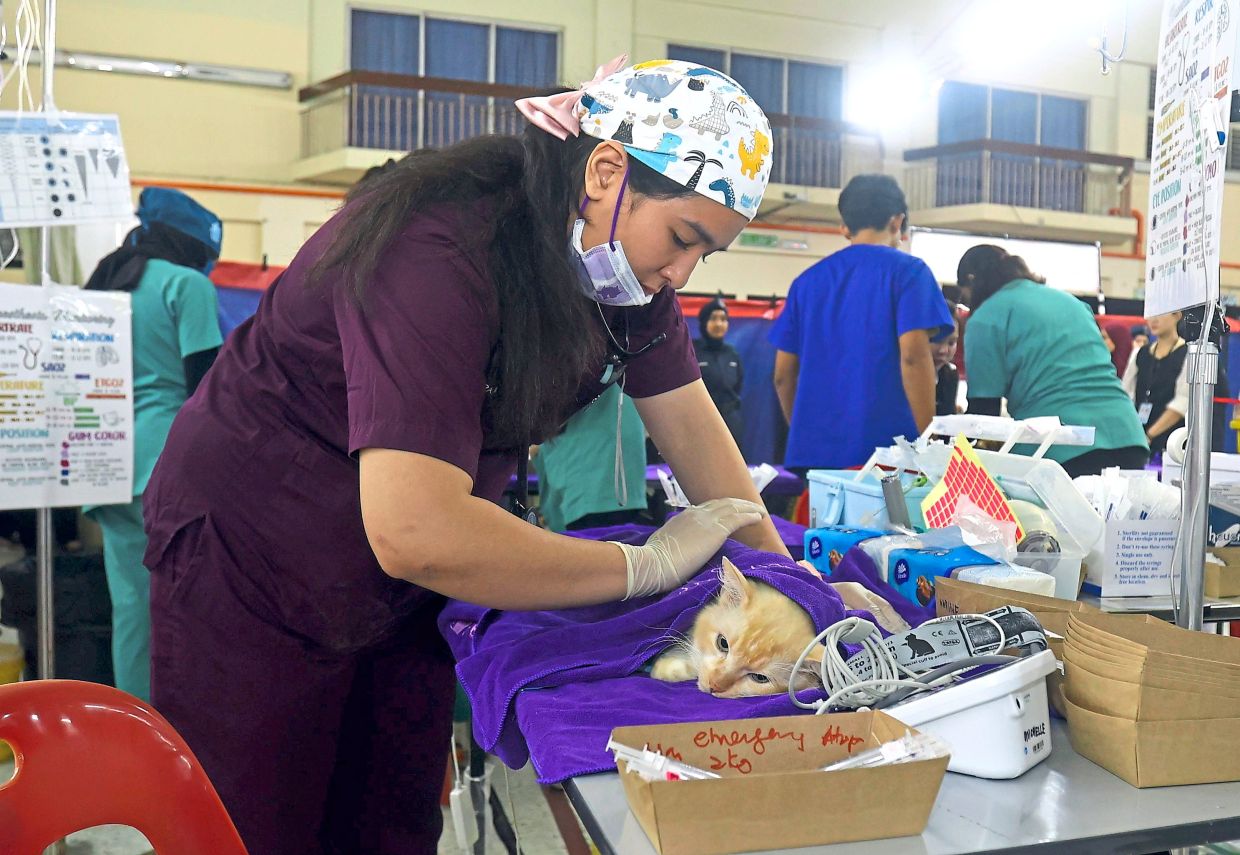

The Perak Pawsitive Initiative offers state-subsidised neutering to curb stray cat and dog populations.
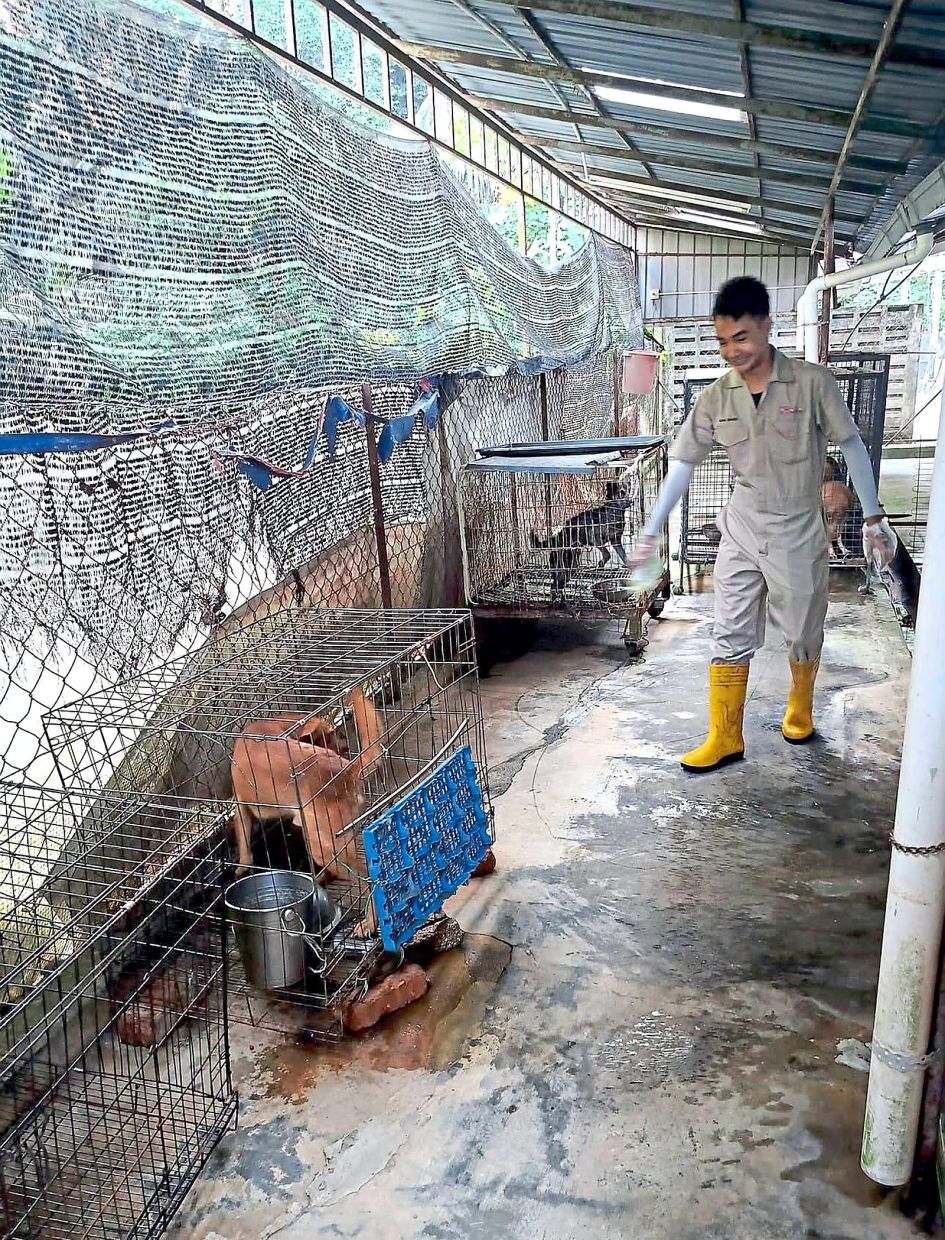
Animal welfare NGOs in Ipoh say they are facing compounding issues of shelters at their limit and high costs of releasing animals caught by the authorities. — Handout
Morris (left) says the NGO has spent more than RM103,000 in a year’s span from July 2025 to get stray dogs released from MBI pound.
Rahman: Many countries have adopted TNR method, including the Netherlands which has achieved ‘zero stray’ status.
Boey says dog catchers usually grab any dog they see on the street, regardless of whether there are complaints.