Over 70% of approved applicants for one of the state’s largest affordable housing projects (RMMJ) in Iskandar Puteri are aged 40 and under, reflecting the state government’s push to help young people own homes.
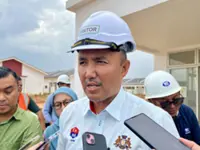
Johor housing and local government committee chairman Datuk Mohd Jafni Md Shukor said overwhelming response for the Perumahan Iskandar Puteri Bangsa Johor project, comprising more than 2,000 units, had come from young buyers.
“About 8,000 people submitted applications online, but only those who fulfil the requirements, with complete documents, are offered a unit.
“All units in the project, comprising three phases, have been taken up,” he told StarMetro.
The development comprises three categories of housing priced at RM150,000, RM250,000 and RM300,000, and a limited number of low-cost commercial units priced at RM300,000.
“This area falls under the Johor-Singapore Special Economic Zone and shows that there are still landed houses available at a subsidised price of RM150,000,” he said, adding that comparable landed homes in the area were worth about RM400,000.
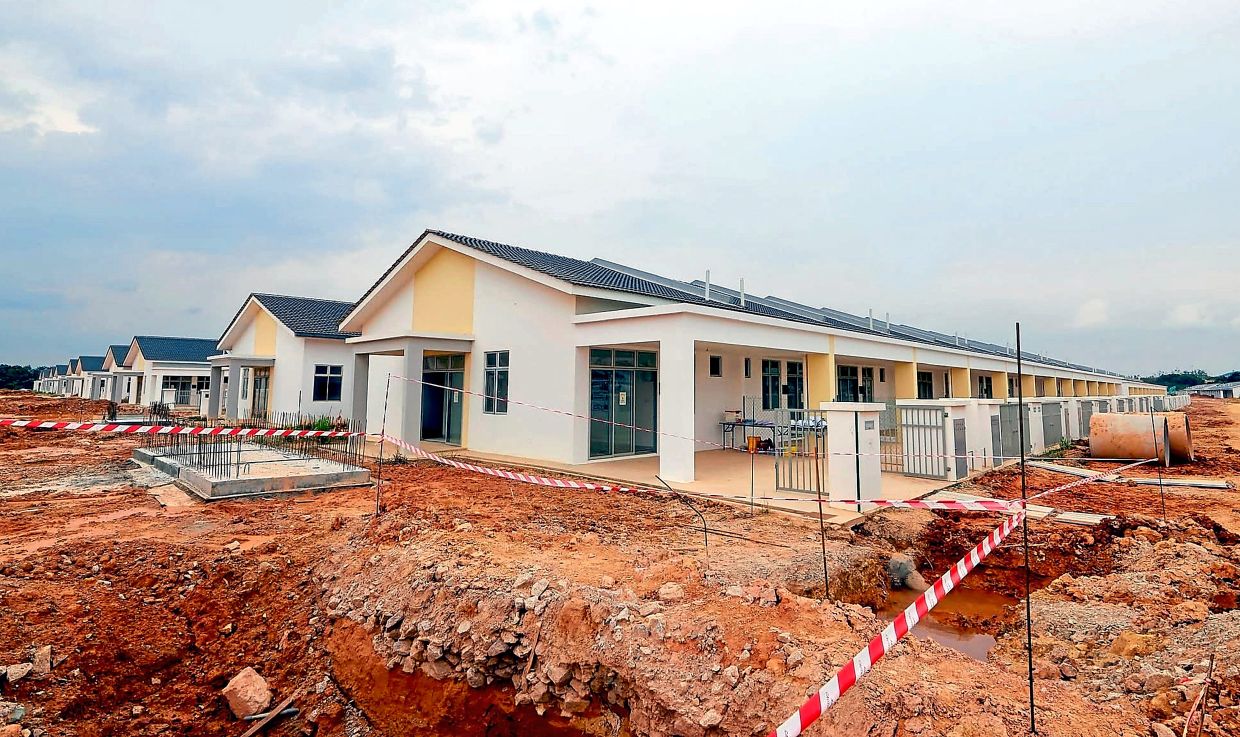
He said phase one of the project had reached about 96% completion and was expected to be completed in the first quarter of next year, ahead of its original target of the second quarter.
“Phase two is about 75% complete and projected to be completed in the third quarter of 2027, also three months earlier than scheduled.
“The final phase is about 15% complete and is expected to be completed in 2028.
“The entire project, with an estimated development cost of about RM500mil, is among the largest RMMJ developments undertaken by Johor government over the past four years.”
He added that the state government had delivered 21,412 RMMJ units from 2022 until the first quarter of this year, with another 8,000 units expected to be completed by year-end.
“This would fulfil the state government’s manifesto target of completing 30,000 affordable homes by the fourth quarter of this year,” he said.
Mohd Jafni said Johor was committed to building 100,000 affordable housing units by 2030.