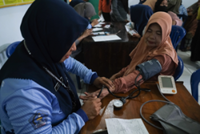
MANY chronic diseases show no symptoms in their early stages, yet they can cause severe complications if left undetected.
To combat this “silent” threat, public health officials alongside survivors of non-communicable diseases (NCDs) are urging Malaysians to participate in proactive screenings to stay ahead of potential health risks.
Perak Health director Dr Feisul Idzwan Mustapha said a total of 87,978 individuals in the state had undergone health screenings under the National Health Screening Initiative (NHSI) in 2025.
He said the figures reflected individuals who voluntarily came forward or were reached through targeted efforts.
“This means that a significant number of high-risk individuals may still not be screened, often because they feel well, are busy, fear a diagnosis or underestimate their risk.
“As a result, undiagnosed non-communicable diseases remain a major concern,” he said.
Dr Feisul Idzwan said Health Ministry continued to encourage Malaysians to undergo regular health screenings even without symptoms.
“Early detection allows conditions to be managed before complications develop, reducing long-term health, social and economic consequences,” he emphasised.
Screenings are provided at health clinics, at primary care level, he said, instead of hospitals which focused on diagnosis, treatment and specialist care.
He said under the NHSI, Malaysians aged 18 years and above, especially those with risk factors, were offered structured screening services at health clinics and selected outreach settings.
“The key objective of NHSI is early detection and early intervention, particularly for NCDs such as diabetes and hypertension, which often remain silent until complications occur.”
The screening package under NHSI typically includes cardiovascular risk screening, blood pressure measurement (hypertension), body mass index (BMI) and waist circumference (overweight/obesity).
“There is also diabetes screening, random blood glucose or fasting blood glucose, cholesterol screening as well as lifestyle and behavioural risk assessment.
“It includes smoking status, physical activity level, dietary risk factors and screenings for mental health, stress, anxiety and depression,” said Dr Feisul Idzwan.
“There are also referrals and follow-ups, where individuals found to be at risk or already living with NCDs are referred for further assessment, treatment and long-term follow-up within the public health system.”
Taking action
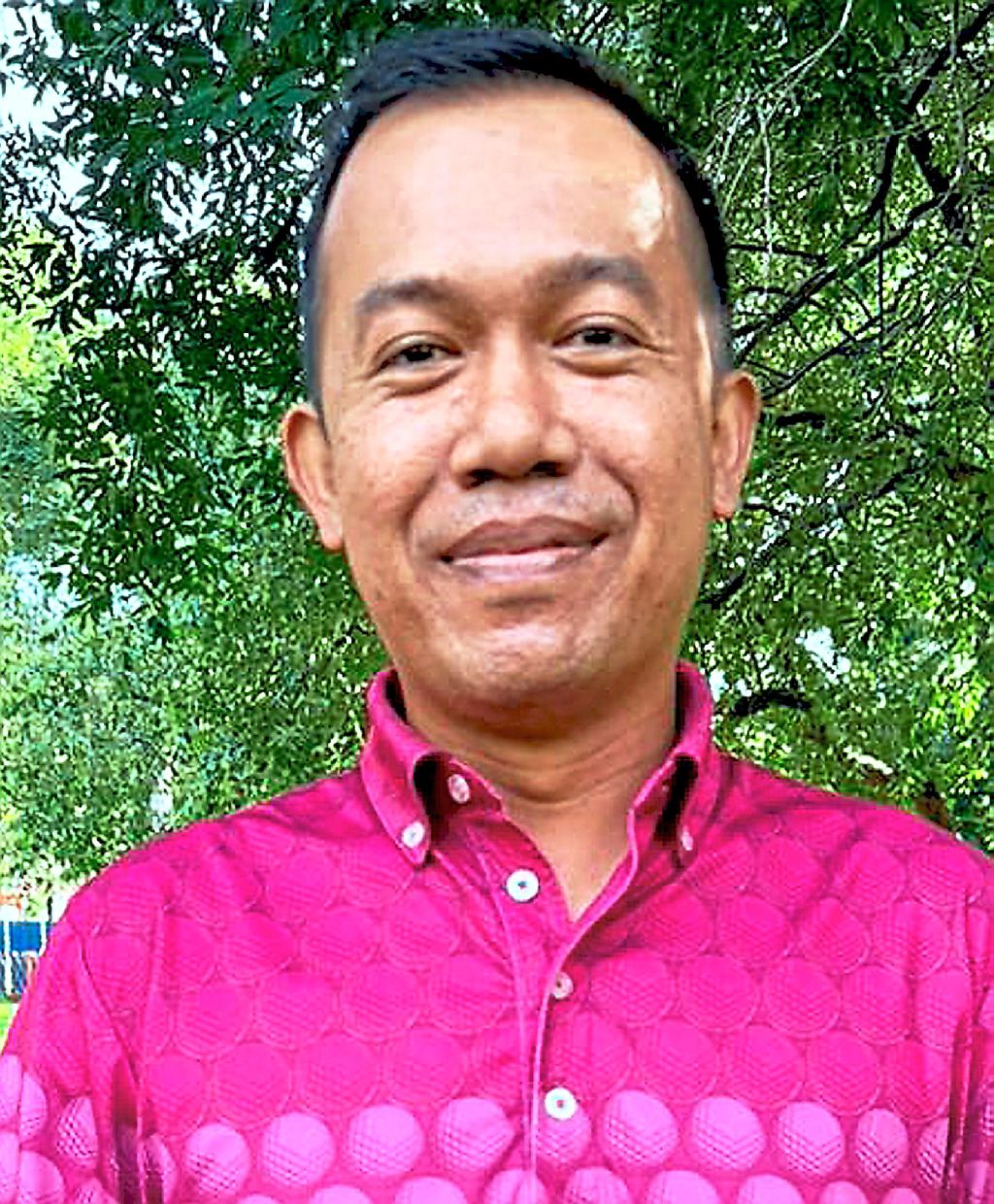
Engineer Syahrul Ramadhan Ahmad Kamal Ariffin believes regular health screening is essential, even for those who feel healthy.
“I am 35 now, and I go for screening every year to keep track of my health,” he said, adding that his awareness grew after reading posts online.
He also has a relative who experienced severe complications due to late detection of diabetes.
He said the 65-year-old relative often accompanied her husband for heart-related checkups but did not undergo health screening herself.
“When she eventually did, she was diagnosed with diabetes and lost her right leg,” Syahrul Ramadhan said, warning that seeking treatment only after symptoms appeared might be too late.
He praised the public healthcare system, describing it as accessible and affordable.
“People should also take advantage of community health programmes,” he said when met at DR Seenivasagam Recreational Park in Ipoh, Perak.
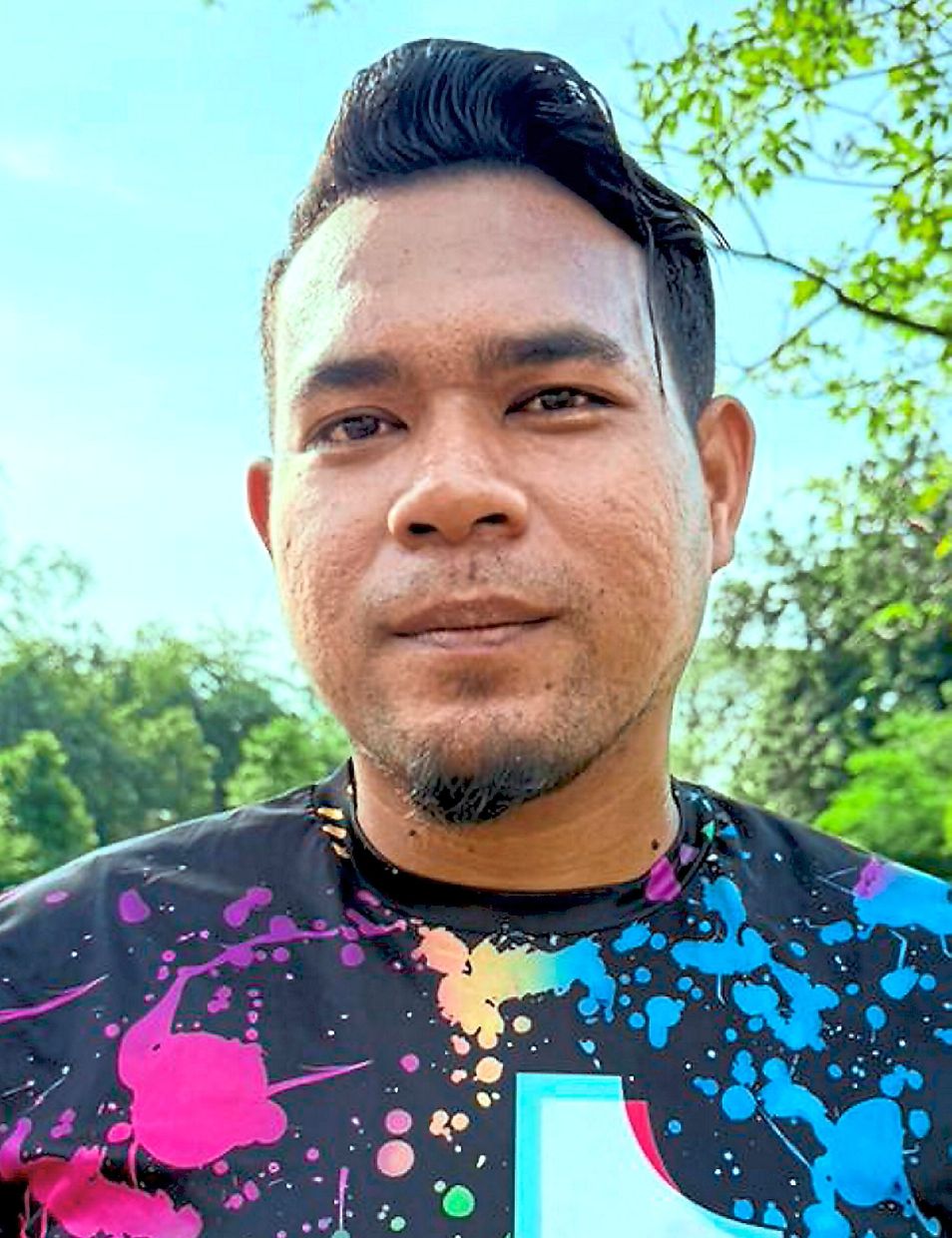
Also spotted exercising there was security guard Muhd Noor Hazim Ahmad, 31, who was diagnosed with high blood pressure five years ago.
“I only went to see a doctor when I started feeling unwell,” he said, recalling that his systolic blood pressure reading was over 200 during a home check but he did not take action.
“I fainted one day and had to be admitted to hospital.
“Further examination revealed that I also have heart-related issues.”
Stating that his condition had since improved, he added: “That incident changed my life.
“Since then, I have been taking better care of my health and undergoing regular medical checkups.”
Medical assistant K. Mariapan said many people were reluctant to go for health screenings.
Based on his experience working in the healthcare sector, Mariapan said he often saw young patients suffering from conditions such as hypertension and diabetes.
“It is sad because these are manageable diseases if detected early, but when people come in at the late stage, it can lead to kidney failure and even death.
“There are also some who choose to self-medicate by buying from pharmacies without proper checkups,” he said, warning against this trend.
Regular monitoring by a health professional was essential, he emphasised, and said fear and stigma were among reasons people avoided health screenings.
“People are afraid that if they discover they are sick, they will have to take medication for the rest of their lives,” he added.
Manager B. Vedanayagam said people should take advantage of the RM1,000 personal income tax relief for medical exams.
“Many are still unaware that they can claim this tax relief, so more outreach is needed,” Vedanayagam noted.
Ipoh City Watch president Dr Richard Ng said the reminder on doing annual health screening was timely.
“Regular screening is a cornerstone of preventive healthcare and can significantly reduce treatment costs and deaths.”
He said postponing health screening was commonly due to factors like fear, cost, lack of time and the misconception that feeling healthy means being healthy.
“These barriers can be addressed through better health education, affordable screening programmes, workplace initiatives and making it part of their normal routine.
“Do not wait for symptoms. Make screening a proactive habit,” he urged.
Ng said employers could play a role by organising workplace screenings and allowing time off for checkups.
Encouragement from family members could motivate an individual to take action, he said, as “going for screenings together can reduce fear and hesitation”.
Ng asserted: “Health screening should be non-negotiable.
“There are none-governmental organisations which collaborate with private hospitals to hold free programmes at shopping centres.
“The public should take advantage of this and get themselves checked.”