
Sundarajoo (right) and Maki Katsuno-Hayashikawa, who is Unesco regional office director and representative and liaison to Asean, launching the PHBR Symposium 2025. — CHAN BOON KAI/The Star
USM marine biologist calls for trust, clarity, community collaboration to turn knowledge into action at Penang symposium
SAVING the oceans and sustaining the ecosystems that feed millions requires more than science – it demands trust, clarity and collaboration across all levels of society, said a marine biologist.
Universiti Sains Malaysia (USM) Centre for Marine and Coastal Studies director Prof Datuk Dr Aileen Tan warned that while decades of research had yielded answers to biodiversity loss, climate change and habitat degradation, the real challenge was turning knowledge into action.
“We know the gaps, we know the challenges and we do have the solutions. But most of the time, it stops there.
“Science must connect with people to become meaningful,” she said in her keynote address at the Penang Hill Biosphere Reserve (PHBR) Symposium 2025 in George Town.
Prof Tan drew a vivid example from 2019, when aquaculture farms in Penang were hit twice in four months by massive fish kills.
“Scientists were busy building early warning systems, politicians were concerned about compensation and farmers wanted to know how quickly they could act, while the public only cared whether seafood was safe to eat.
“These concerns must be addressed differently, with science translated into clear responses that people can use,” she added.
Prof Tan explained that conservation was like any recipe where the right ingredients – trust, clarity, strategy – are needed.
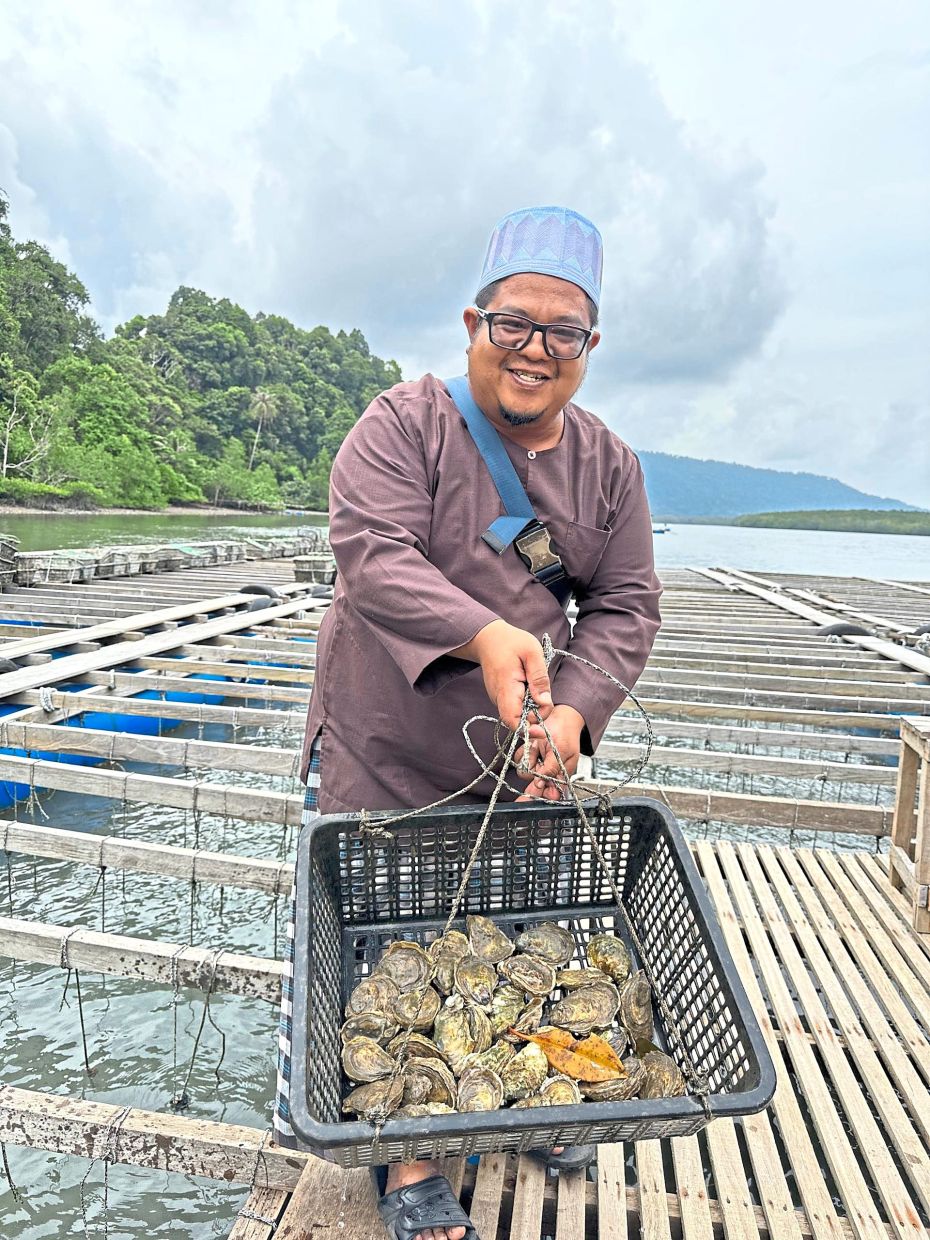 Cleaner water means healthier oysters and better incomes for oyster farmers. — Courtesy photo
Communities, she said, had shown how practical solutions could take root when they saw their livelihoods at stake.
“Oyster farmers, for instance, became protectors of mangroves after realising that cleaner water meant healthier oysters and better incomes.
“This is what real conservation looks like; communities moving from beneficiaries to co-managers,” she said, highlighting how women and youth were also taking the lead in sustainable aquaculture and the blue economy.
But the real ingredient, she insisted, was trust.
“Trust is earned by honouring your words and walking the talk.
“We must roll up our sleeves, get our hands dirty and work alongside communities, not just sit in comfort zones in front of computers,” she said.
Technology and Artificial Intelligence (AI), Prof Tan said, also had to be humanised with diversity, equity and inclusion at their core to ensure people remained at the heart of conservation.
She reminded participants that there was no single solution.
“The journey is tough, but we are here because we care.
“A healthy planet belongs to all of us, and we must play our roles to make it better together,” she added.
Earlier, Penang housing and environment committee chairman Datuk Seri Sundarajoo Somu, when opening the symposium, said PHBR’s designation by Unesco in 2021 had placed Penang firmly in international conservation dialogues.
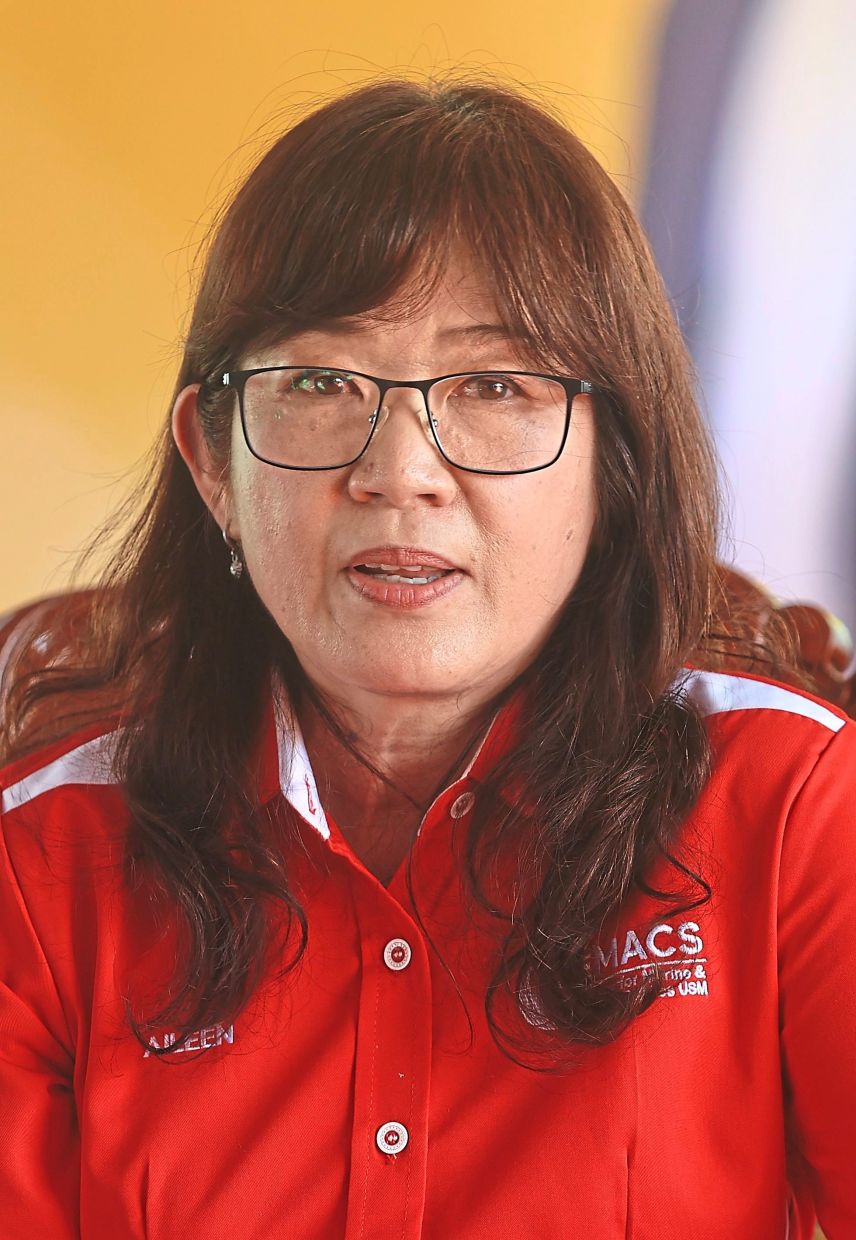 'We must roll up our sleeves, get our hands dirty and work alongside communities, not just sit in comfort zones in front of computers.' - Prof Datuk Dr Aileen Tan
“This recognition is a source of pride not only for Penang but also for all of Malaysia.
“Since its designation, PHBR has grown into a platform for knowledge exchange, conservation efforts and sustainable development initiatives.
“It truly reflects what Unesco Biosphere Reserve stands for, which is a harmonious coexistence of people and nature,” he said.
Sundarajoo said PHBR’s uniqueness laid in its combination of both hill and sea landscapes, stretching from the lush greenery of Penang Hill to the marine and coastal habitats of Teluk Bahang, the Centre for Marine and Coastal Studies and Penang National Park.
This interconnected environment, he said, was a living laboratory where science, education and community-driven action came together to create real-world impact.
He said PHBR also opened doors to international collaboration, funding and knowledge exchange, all of which were aligned with the Penang2030 Vision of a family-focused, green and smart state.
But, he cautioned, the designation carried with it a responsibility.
“Protecting its unique ecosystems is not only about heritage, but also our collective future as communities.
“Conservation efforts must be inclusive, ensuring that local communities are not left behind but are instead engaged and empowered as partners in this journey,” said Sundarajoo.
“Let us continue to learn, collaborate and innovate together, ensuring that Penang Hill Biosphere Reserve remains a beacon of sustainability for Malaysia and the world,” he added.