WITHOUT the presence of Universiti Tunku Abdul Rahman (UTAR), the residents believe that Kampar would not be such a lively town.
After the tin mining industry collapsed in 1986, Kampar steered towards a new direction, marking the dawning of a new era for the town.
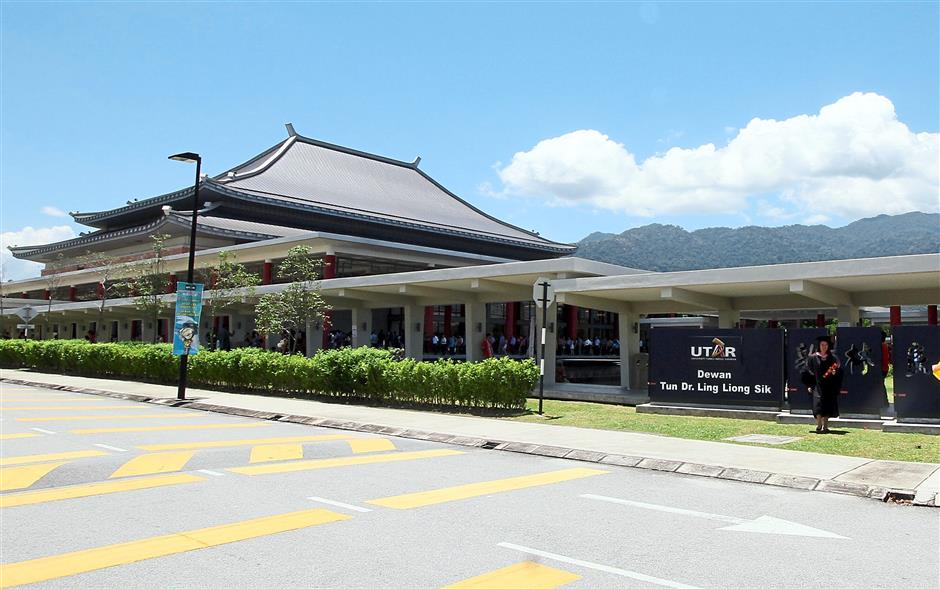
It is now a successful international education hub for higher learning with the establishment of UTAR in 2002.
Kampar boy businessman Tan Meng, 46, said things used to be very quiet before UTAR came into the picture and there were fewer people then.
“When the tin industry collapsed, my father, who was a tin miner, lost his job.
“Many people left the town for greener pastures, as did I.
“After graduating from high school, I had the chance to further my studies in Japan in 1987,” he said.
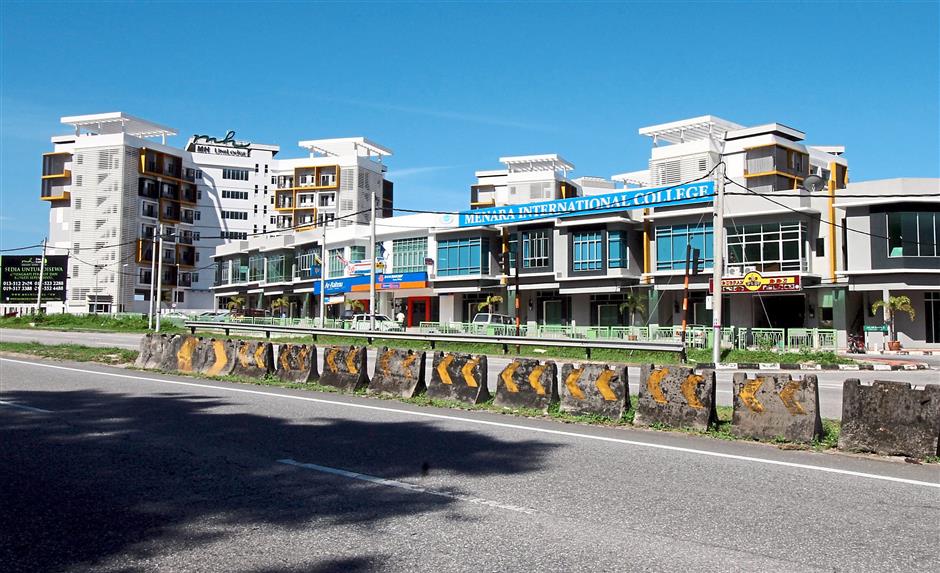
Coming back to his hometown in 1992, Tan said that was when Bandar Baru Kampar started to develop.
“The market back then was still quite unstable, but after the higher learning institutions came into the area, things began to look better.
“With the influx of students, we now have many shops opening, including cafes and a new Lotus Five Star cinema,” he said.
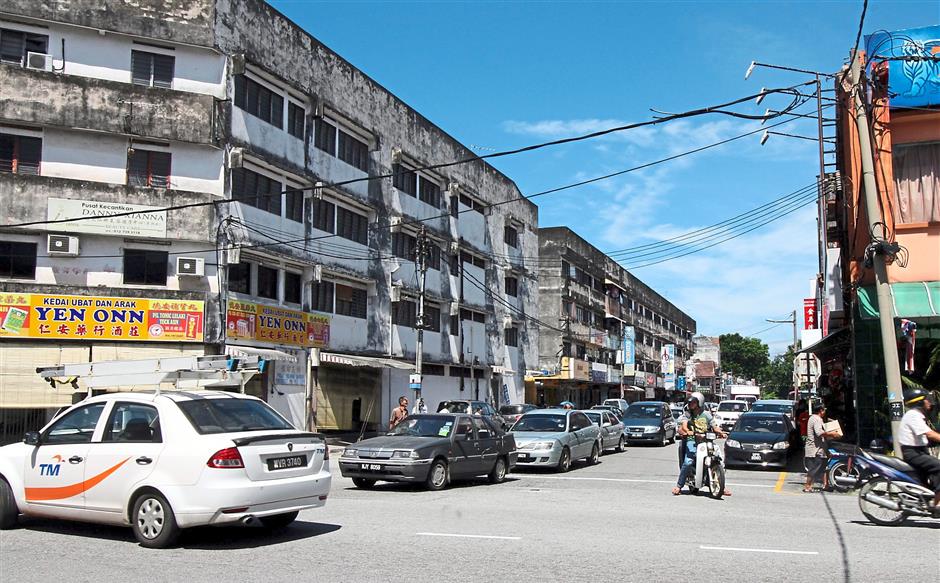
Another Kampar boy, goldsmith Chin Yoke Min, 60, reminisced about the good old days when Bandar Lama Kampar was bustling with night activities.
“There used to be four cinemas, with the most famous one being Chung San, which sadly, has closed down. It is now a medicine hall.
“Back then, there were lots of hawker stalls set up around the cinema on Jalan Idris and Jalan Balai, where people savoured good food after enjoying the Chinese opera,” he said.
Since UTAR was established here, Chin said the town has changed a lot.
“Most public events are now held in Bandar Baru, where youths and other people usually flock to.
“Although Bandar Lama is still vibrant during the day, it is very quiet here at night now,” he said.
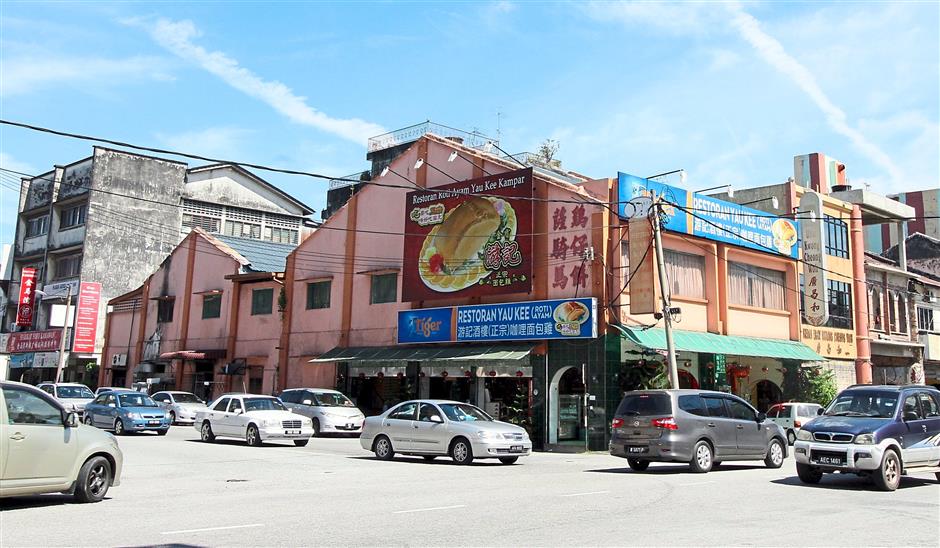
As for Yau Yin Chan, 88, she said Kampar was a small town when she first arrived at the age of 14 with her mother from China.
“There were not many eateries and businesses around, we were poor.
“We only knew how to make bread, so we started selling our homemade chicken bread together,” said the mother of eight, who is now a proud owner of Kampar’s famous bread shop Restaurant Yau Kee (Roti Ayam).
One thing was for sure, she said, the economy in Kampar is much better than before.
“UTAR brought in so many students and without them, I do not think our town nor business will be as lively as it is right now,” she said with a laugh.
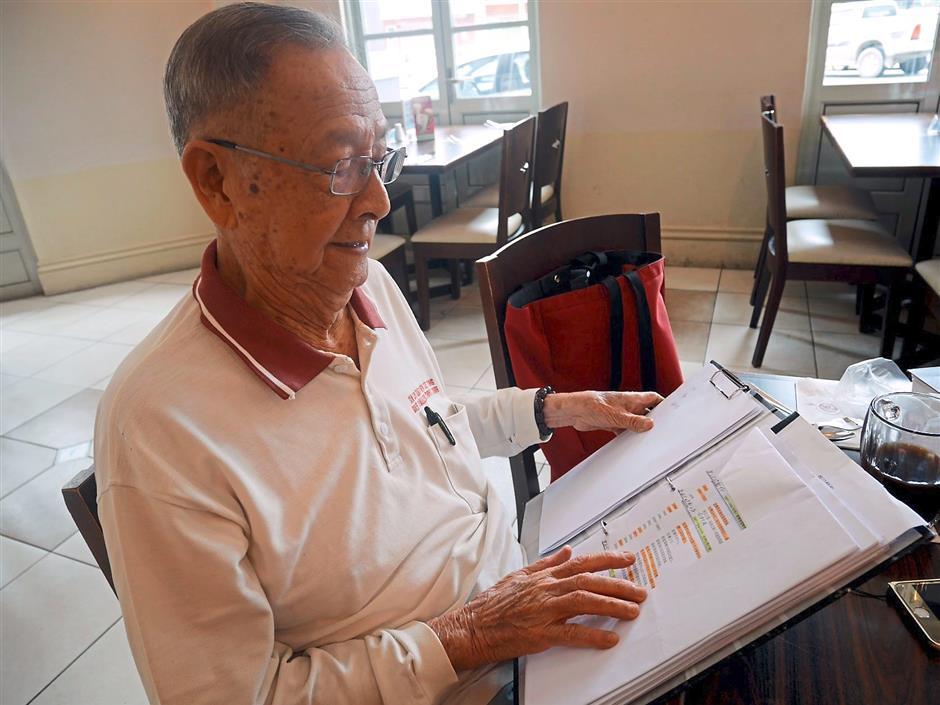
With such positive comments from the locals, former Kampar MP and developer Tan Sri Hew See Tong is now satisfied he has achieved his greatest dream of seeing his hometown flourish as an education hub.
At 84, he has seen the rise and fall of the tin mining industry in Kampar.
After the tin mining glory days ended, he managed to convince three large foreign companies from South Korea and Taiwan to set up factories in the town.
Although they had employed around 7,000 workers, which cost some RM100mil a year, Hew said it was not enough to boost the economy.
“That was when I felt that Kampar should be transformed.
“I wanted to turn Kampar into a hub of higher education and in turn, create stability, more jobs and ultimately, better education for the younger generation,” he said.
In 1998, he persuaded Kolej Tunku Abdul Rahman (KTAR) to open a campus here.
Although it had only 2,000 students then, Hew felt it was already enough to instil confidence in the locals about his plan.
Four years later, Kampar was given a new lease of life after he convinced MCA to open a UTAR campus here as well.
Subsequently, many new businesses and public amenities emerged, including the completion of the Bandar Baru Kampar commercial area in 2003, the opening of a dialysis centre and the new Kampar District Council building in 2004.
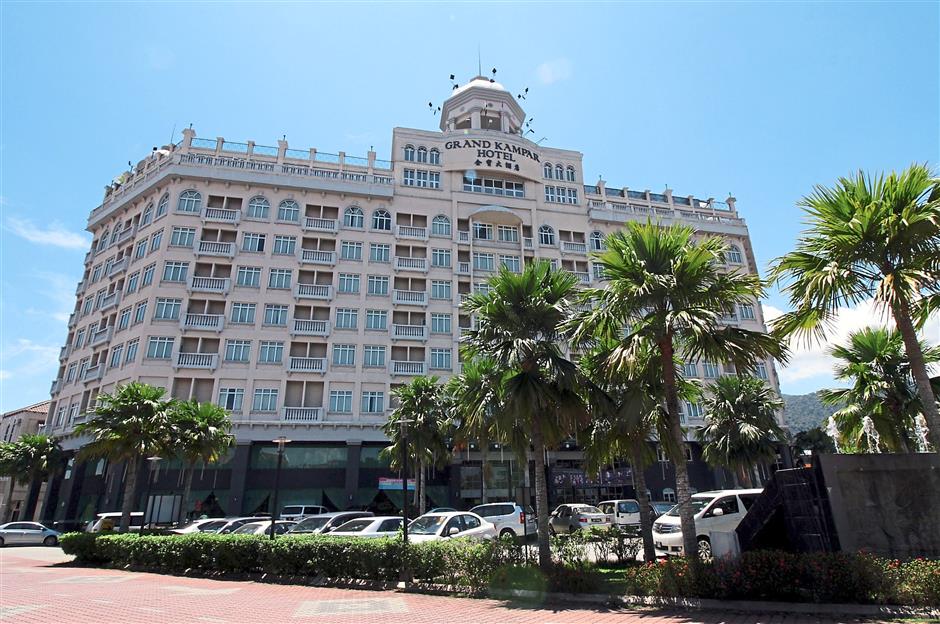
By 2007, Kampar’s economy, as Hew put it, was akin to salted fish coming to life, with a new sports centre, a new flyover over the railway track in town, the Kinta Tin Mining Museum and the completion of Kampar’s finest hotel yet, The Grand Kampar Hotel.
“During that time, my company along with 30 other developers, were responsible for the development around UTAR, covering an area of 488ha.
“We also built 15,999 new houses in Bandar Baru,” he said, which was also made possible because of then MCA president Tun Dr Ling Liong Sik, former mentri besar Datuk Seri Tajol Rosli Ghazali and then state executive councillor Datuk Seri Ong Ka Chuan.
When it comes to Kampar’s future, Hew wants to see Kampar continue to grow as a centre for medical tourism with UTAR’s upcoming teaching hospital.
“I also wish to see a new international airport to be built in Seri Iskandar.
“That way, there will not only be more tourists but Perak will also become a centre for hi-tech industries,” he said, adding that this will boost tourism for the state as well.
Already a subscriber? Log in
Get 20% OFF The Star Digital Access
Cancel anytime. Ad-free. Unlimited access with perks.