
Chocolate can be comforting, a special treat or a consolation prize.
But myths abound. Does it make you fat? Is it true that you get spots from eating it? Do they melt down chocolate Easter eggs to make them into Christmas decorations? We checked out the facts with some specialists in the sweet treat.
Only partly. Dark chocolate usually contains more cocoa flavanols than milk chocolate, plant compounds that can support blood vessel function, says the European Food Safety Authority (EFSA). They help the vessels to dilate. But that does not mean that dark chocolate is generally a healthy food or that it protects you from cardiovascular disease.
The EFSA specifies a daily intake of 200 milligrammes of cocoa flavanols for this potential effect. That is not a general consumption recommendation but refers to the daily intake on which the effect described is based.
Scientists cannot say how much chocolate you need for this. Depending on the product, there might be 200 milligrams in around 10 grams of chocolate. But with varieties lower in flavanols, you would need larger quantities. The trouble is that you can't determine the exact flavanol content of a standard 100-gram bar based solely on the cocoa content.
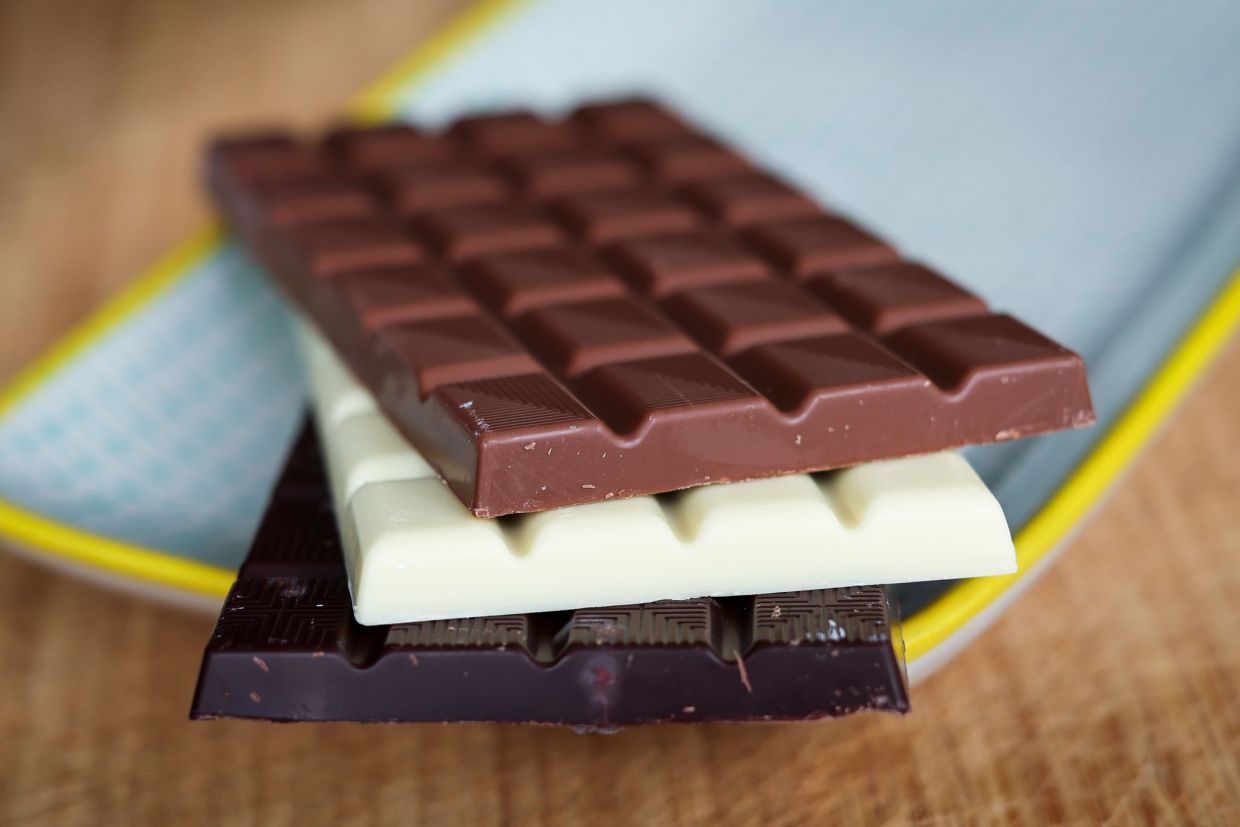
It's unclear. A causal link between chocolate consumption and acne has not been conclusively established. But a systematic review found evidence of a link between acne and a diet with a higher glycaemic load, affected by both the rate at which your blood sugar rises plus the amount of digestible carbohydrates you eat.
Milk chocolate typically contains both sugar and milk so it is hard to say which ingredient is responsible for any potential effect, the authors say.
One possible explanation is that, in addition to the chocolate itself, its composition also plays a role. A sugar-rich portion can raise your blood sugar levels and contribute to a higher glycaemic load.
Dairy products have been linked to acne in some observational studies. Also, insulin and the insulin-like growth factor IGF-1 can influence processes that play a role in the development of acne.
Usually, the chocolate you buy in shops is sweet but that was not always the case. The cocoa tree was domesticated in the upper Amazon region, say historians. Evidence from what is now Ecuador dates back around 5,300 years, long before the advent of modern chocolate bars.
Back then, people in South America and later in Mesoamerica used cocoa to make drinks. These cocoa drinks were often prepared with water and local spices and usually tasted bitter, though sometimes they were sweetened with honey.
Once cocoa was introduced to Europe, the drink there was increasingly sweetened with sugar. The modern chocolate bars we know and love were developed in the 19th century.

There is no evidence that chocolate makes you happy in the long term - but it can improve your mood in the short term.
A systematic review evaluated studies on the effects of chocolate on mood and cognitive functions. The results were mixed: some studies showed a short-term improvement in mood, while others found no clear effect.
In the short term, chocolate can lift your mood - but there is no evidence of a lasting positive effect. Research suggests that several factors may contribute to a positive reaction, including the taste, smell and the mouthfeel of the chocolate. That could be the crunch when you bite into it, the creamy texture and the way it melts in your mouth, all characteristics which can influence perception and enjoyment.
Also, some ingredients are being investigated, including cocoa flavanols, caffeine and theobromine. Expectations, familiarity and personal attitudes can also influence how we respond emotionally to chocolate.
Some worry that if Easter eggs are unsold, they might be melted down and later sold as chocolate models of Father Christmas or resued in other items.
No need to worry. The Federal Association of the German Confectionery Industry (BDSI) says seasonal items are made from freshly produced chocolate mixture. Unsold stock goes on sale at a reduced price after the festive season or is donated to charities.

Also, recalling seasonal goods that have already been delivered, melting them down and then remoulding them would not be compatible with quality requirements, the association says. That would be unlawful under food law. It would also not be viable in economic terms.
But as an individual, at home, of course you can melt down any unused chocolate treats and turn them into chocolate bark, for example. You can also fold down leftover chocolate into brownies, once melted, or make chocolate cereal clusters. – dpa